In the fast-paced world of produce distribution, efficiency is not just a goal it’s a necessity.
Distributors face the ongoing challenge of ensuring that fresh produce reaches its destination swiftly while maintaining quality.
Streamlining distribution processes can mean the difference between profit and loss.
Maximizing efficiency in distribution requires a multifaceted approach.
Implementing strategic methodologies is crucial for reducing waste, lowering costs, and enhancing customer satisfaction.
This article explores six impactful strategies to streamline your produce distribution processes.
Whether you’re a grower, shipper, or retailer, these strategies provide practical insights to optimize your operations and stay competitive.
With the right approach, you can transform your distribution processes into a model of efficiency and reliability.
1. Optimize Route Planning
Route planning is a critical component of distribution efficiency.
Optimizing routes not only saves time but also reduces fuel costs and minimizes the carbon footprint.
Advanced route planning tools can evaluate multiple factors.
Consider traffic patterns, delivery windows, and weather conditions.
By integrating technology, you can develop dynamic routes that adjust in real-time.
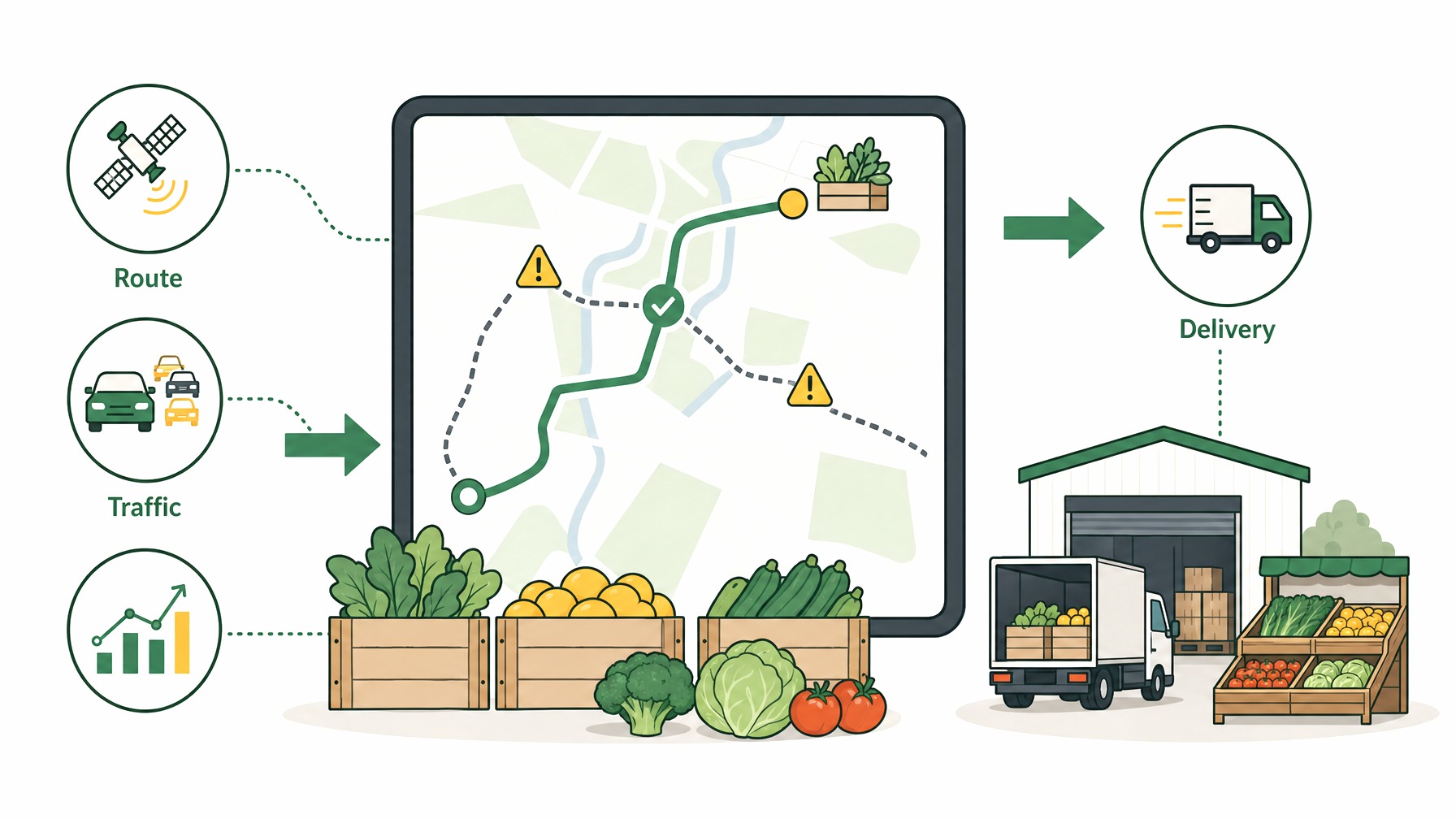
These tools help in creating optimal schedules that ensure timely deliveries.
Improved route planning can lead to significant cost savings.
- Utilize GPS tracking
- Incorporate predictive analytics
- Monitor real-time traffic updates
By focusing on route optimization, distributors can enhance delivery reliability and customer satisfaction.
2. Invest in Technology
Technology plays a pivotal role in streamlining produce distribution.
From inventory management systems to automated sorting equipment, technology can transform operations.
By adopting cutting-edge technologies, businesses can enhance their distribution processes significantly.
Automation reduces human error and increases efficiency.
It allows for better inventory control and faster processing times.
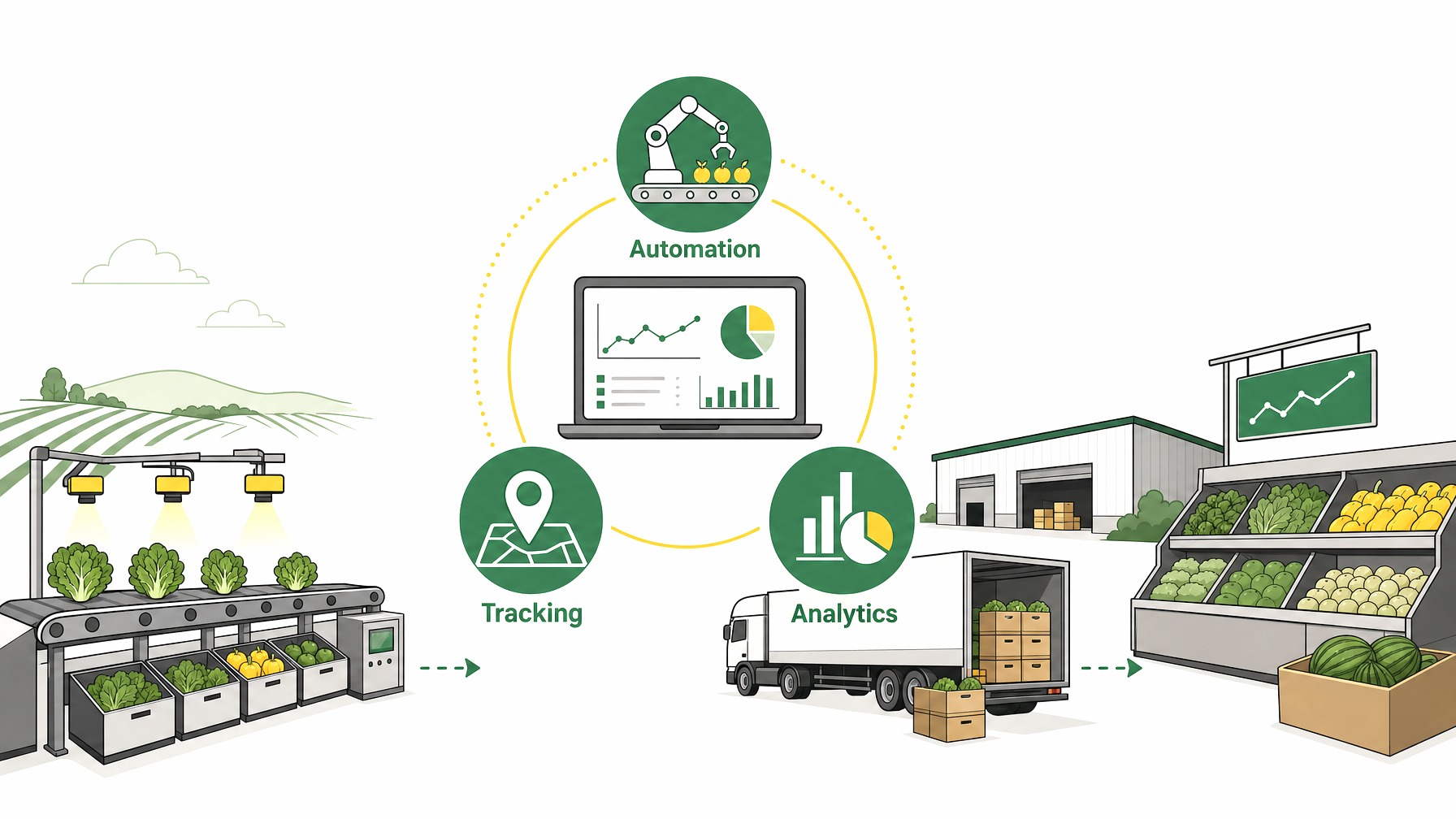
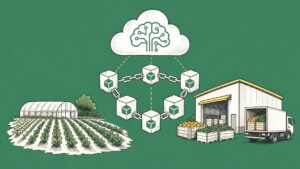
Investing in technology also involves implementing advanced tracking systems.
These systems provide real-time data on shipments, helping to mitigate delays and improve planning.
- Automated sorting systems
- Real-time tracking software
- Data analytics tools
Leveraging technology ensures that produce is handled with precision and care, maintaining quality from farm to fork.
3. Enhance Cold Chain Management
Maintaining the cold chain is essential for produce quality and safety.
An efficient cold chain management system ensures that products remain fresh throughout transit.
It’s crucial to monitor and control temperature at every stage.
Investing in state-of-the-art refrigeration equipment and temperature monitoring systems can greatly enhance cold chain reliability.
Regular maintenance of these systems is equally important.
Properly managed cold chains reduce spoilage and waste, leading to better product quality and customer satisfaction.
They also comply with food safety regulations.
- Regular equipment checks
- Real-time temperature monitoring
- Emergency response protocols
Strong cold chain management is a cornerstone of successful produce distribution.
4. Improve Warehouse Efficiency
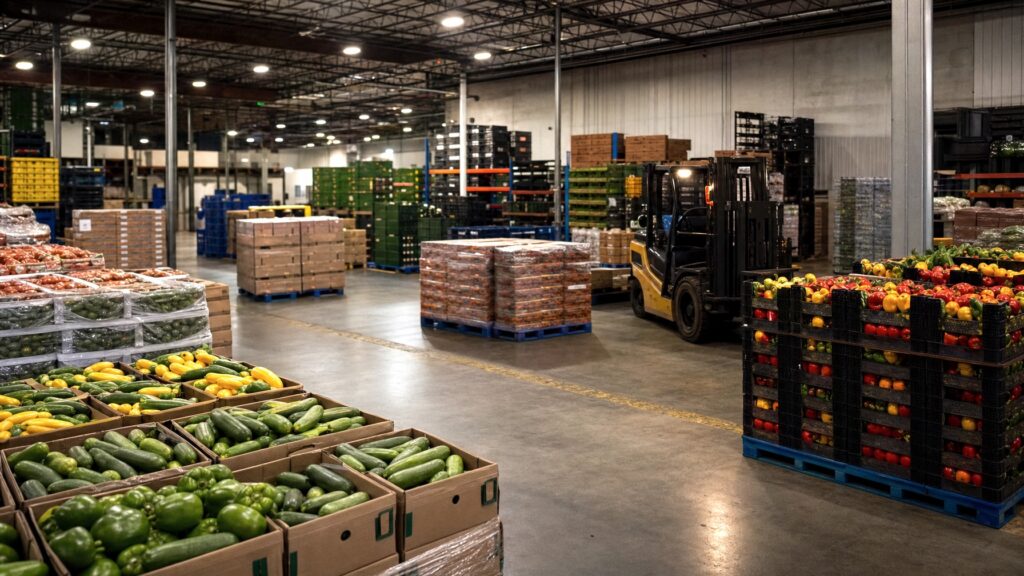
A well-organized warehouse is key to an efficient distribution process.
Streamlining warehouse operations helps in faster order fulfillment and reduces handling errors.
Implementing a systematic layout can enhance productivity.
Consider adopting a just-in-time inventory approach to minimize overstocking.
This not only saves space but also reduces costs associated with excess inventory.
Automated systems in warehouses can further improve accuracy and speed.
- Systematic organization
- Just-in-time inventory
- Automated picking systems
Improving warehouse efficiency leads to better service and reduced operational costs.
5. Focus on Staff Training
Well-trained staff are crucial to a smooth distribution process.
Regular training ensures that employees are updated on the latest procedures and technologies.
This knowledge empowers them to work more efficiently and effectively.
Training should cover everything from equipment use to safety protocols.
It should also include customer service skills to ensure a positive experience for clients.
Investing in staff training helps in reducing errors and improving overall productivity.
- Regular training sessions
- Focus on safety protocols
- Customer service education
Training is an investment that yields long-term benefits in distribution efficiency.
6. Strengthen Supplier Relationships
Strong supplier relationships can enhance the distribution process significantly.
Reliable suppliers ensure a steady flow of high-quality produce.
Establishing clear communication channels and regular feedback can strengthen these partnerships.
Collaborative planning with suppliers can help in aligning goals and improving supply chain efficiency.
It’s beneficial to develop contingency plans with suppliers to address potential disruptions.
Through effective collaboration, both parties can work towards mutual success and growth.
- Regular communication
- Collaborative planning
- Contingency strategies
Strong supplier relationships are vital for a seamless distribution process.
The Bottom Line
Streamlining produce distribution requires a comprehensive approach focused on efficiency.
By optimizing routes, investing in technology, and enhancing cold chain management, distributors can significantly improve operations.
Improving warehouse efficiency and focusing on staff training ensures that processes run smoothly.
Building strong supplier relationships further supports a reliable supply chain.
Applying these strategies can lead to reduced costs, minimized waste, and increased customer satisfaction across the produce industry.