In the world of organic farming, soil management is a cornerstone of sustainable agriculture.
Effective soil management not only improves crop yields but also enhances the overall health of the ecosystem.
For organic produce executives and growers, understanding the intricacies of soil management can lead to more productive and environmentally friendly farming practices.
Organic soil management involves a variety of techniques aimed at maintaining or improving soil fertility and structure.
This includes the use of organic matter, crop rotations, and cover crops, among other strategies.
By implementing these practices, farmers can reduce reliance on synthetic inputs and promote a thriving soil ecosystem.
Successful organic soil management requires a tailored approach, taking into account the specific needs of the soil and crops.
This article outlines seven essential practices that can guide produce professionals in optimizing soil health and productivity.
1. Implement Crop Rotation
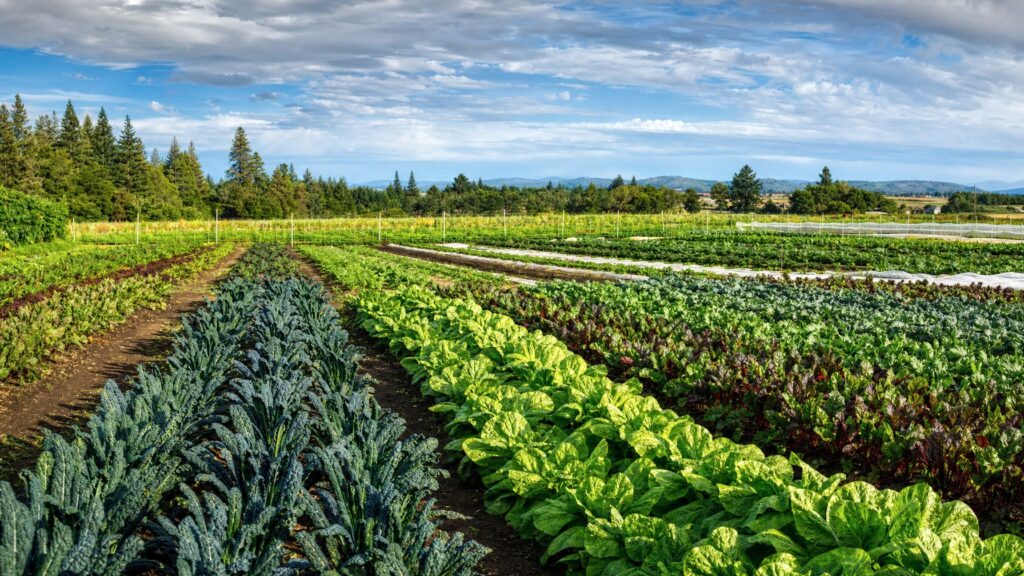
Crop rotation is a fundamental practice in organic farming that helps maintain soil fertility.
By alternating crops, farmers can break pest cycles and improve soil structure.
Diverse rotations reduce the risk of nutrient depletion and promote a balanced soil ecosystem.
This practice can also enhance biodiversity and improve resilience against diseases.
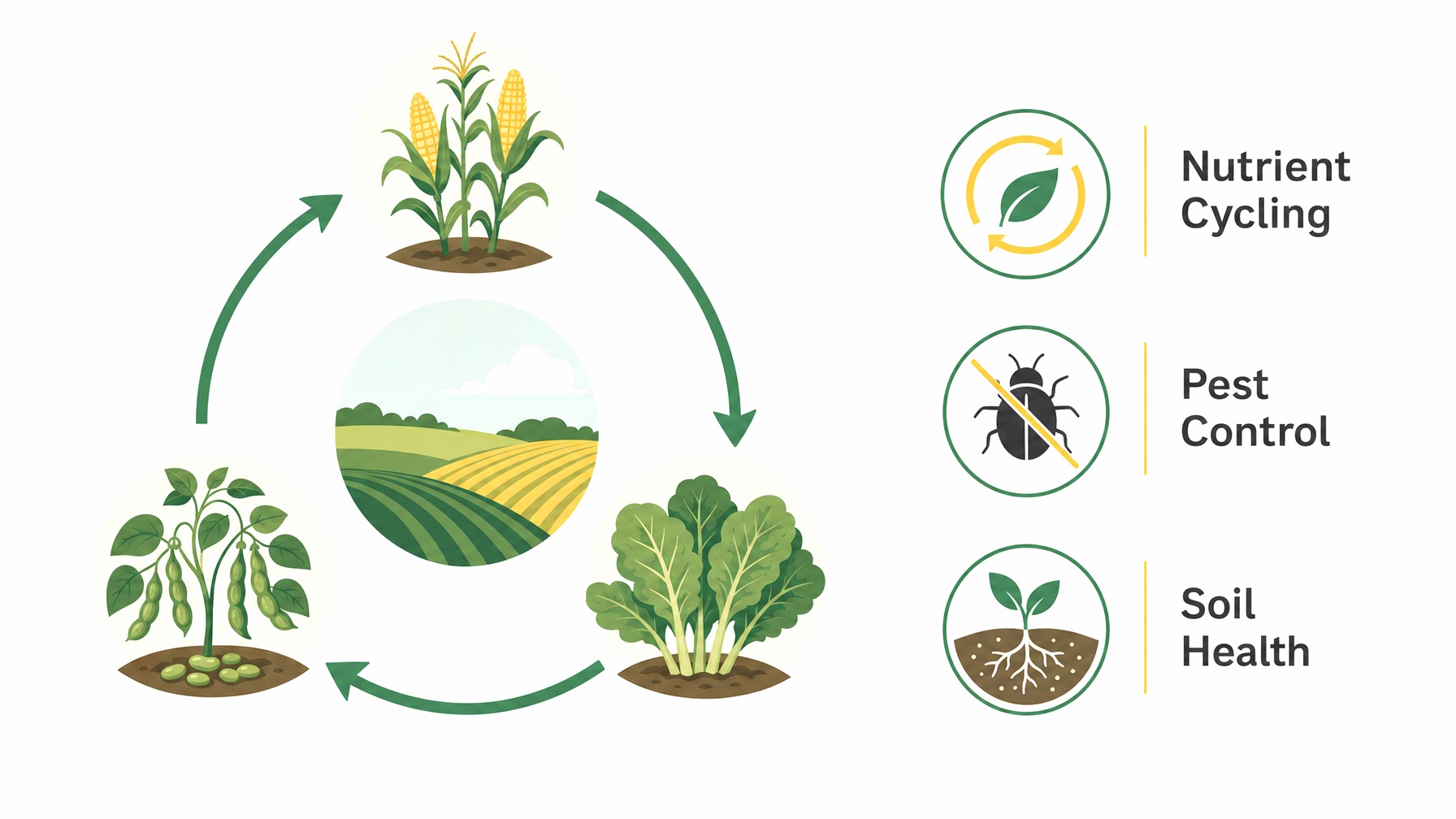
- Improves nutrient cycling
- Reduces soil erosion
- Minimizes pest and disease buildup
Consider including legumes in rotations to fix nitrogen in the soil naturally.
This can significantly reduce the need for artificial fertilizers and support sustainable agriculture goals.
Overall, crop rotation is a cost-effective way to enhance soil health and increase crop yields in organic farming systems.
2. Use Cover Crops
Cover crops are planted primarily to cover the soil rather than for harvest.
They offer numerous benefits, including erosion control, improved soil structure, and enhanced nutrient content.
These crops can be integrated into rotations to add organic matter and suppress weeds naturally.
Common cover crops include clover, rye, and vetch.
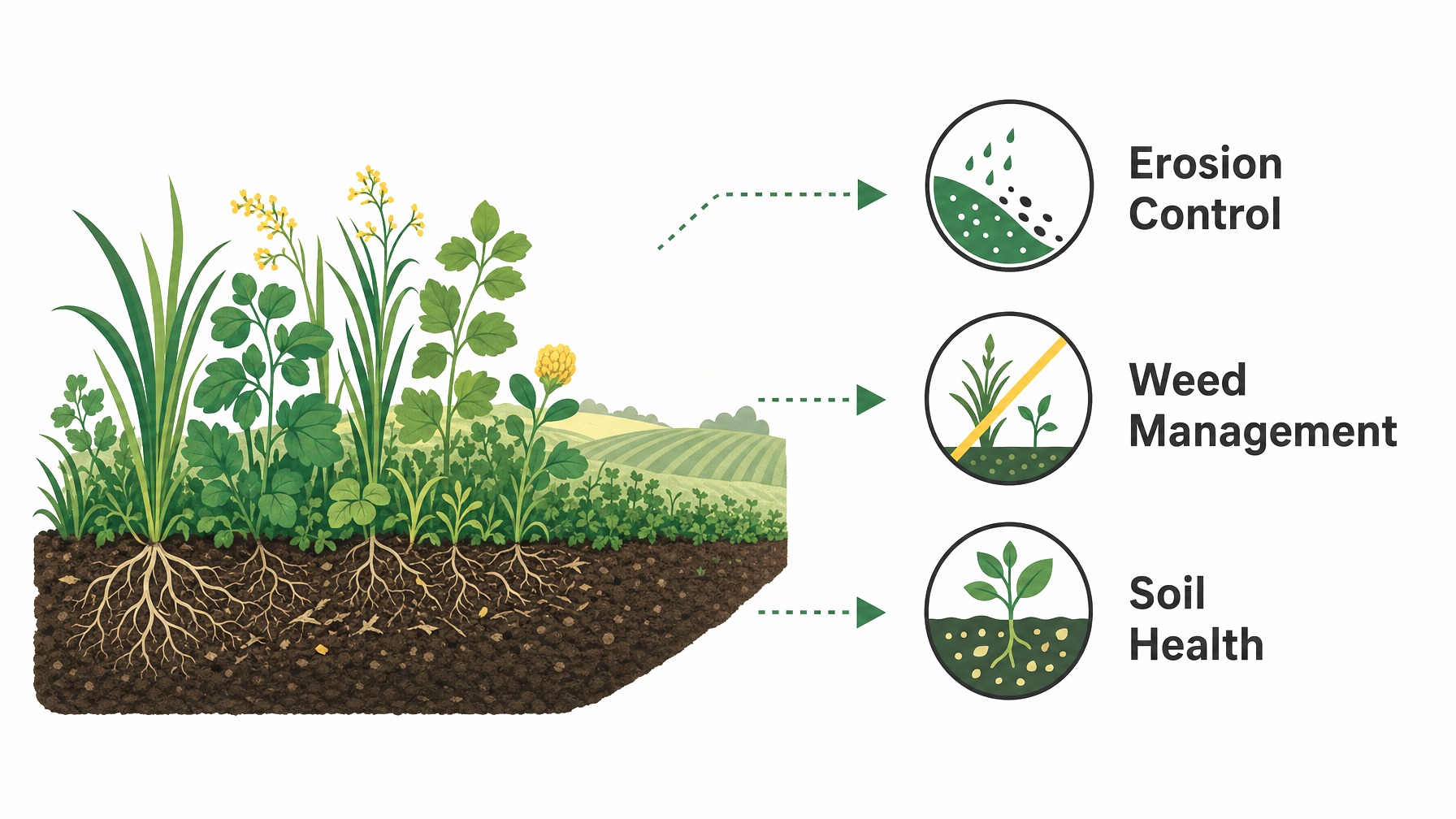
- Prevents soil erosion
- Enhances soil organic matter
- Suppresses weed growth
By selecting the appropriate cover crop for your region and soil type, you can optimize the benefits of this practice.
Cover crops can also contribute to increased biodiversity, which is vital for a resilient farming ecosystem.
Strategically incorporating cover crops can lead to significant improvements in soil health and productivity.
3. Incorporate Organic Matter
Adding organic matter is crucial for maintaining soil fertility in organic systems.
Compost, manure, and green manure are excellent sources of nutrients.
Incorporating these materials helps improve soil structure, water retention, and microbial activity.
This, in turn, supports plant growth and increases resilience to environmental stresses.
- Boosts nutrient levels
- Improves soil structure
- Enhances water retention
Regularly adding organic matter can significantly enhance the productivity of organic farming systems.
Consider local sources of organic waste to minimize transportation costs and environmental impact.
4. Practice Reduced Tillage
Reduced tillage is an essential practice in organic soil management that minimizes soil disturbance.
This practice helps maintain soil structure and reduces erosion.
By minimizing tillage, farmers can preserve soil organic matter and promote beneficial soil organisms.
This leads to improved soil health and productivity.
- Reduces soil erosion
- Preserves soil structure
- Enhances soil biodiversity
Reduced tillage requires careful planning and management to ensure successful crop establishment and weed control.
This practice can be particularly beneficial in areas prone to erosion or with fragile soil structures.
5. Optimize Nutrient Management
Effective nutrient management is critical for organic farming success.
It involves balancing nutrient inputs with crop needs to maintain soil fertility.
Organic fertilizers, such as compost and animal manure, are key components of nutrient management strategies.
Testing soil regularly is essential to tailor nutrient applications.
- Ensures balanced nutrient supply
- Prevents nutrient leaching
- Supports plant health
By optimizing nutrient management, farmers can improve crop yields and minimize environmental impacts.
Consider using cover crops and green manures as part of your nutrient management strategy to enhance soil fertility naturally.
6. Implement Integrated Pest Management (IPM)
Integrated Pest Management (IPM) is a holistic approach to pest control that combines biological, cultural, and mechanical methods.
It reduces reliance on chemical inputs.
In organic systems, IPM is crucial for maintaining balance in the ecosystem and promoting natural pest control mechanisms.
- Reduces chemical usage
- Enhances biodiversity
- Promotes sustainable farming
IPM strategies should be tailored to specific pest challenges and environmental conditions.
Regular monitoring and scouting are key components of successful IPM programs.
7. Monitor Soil Health Regularly
Regular soil testing is vital for assessing soil health and making informed management decisions.
It provides insights into nutrient levels, pH, and organic matter content.
Monitoring soil health allows farmers to adjust management practices and improve soil conditions over time.
- Identifies nutrient deficiencies
- Tracks changes in soil health
- Guides management decisions
Consider partnering with local agricultural extension services for soil testing and analysis support.
Regular monitoring ensures that organic soil management practices align with environmental and productivity goals.
The Bottom Line
Organic soil management is a dynamic and complex process that requires a nuanced approach.
By implementing these seven practices, produce professionals can optimize soil health and boost productivity.
These methods not only support sustainable agriculture but also align with organic standards.
Understanding and applying these practices can lead to long-term success in organic farming.
For produce executives and growers, investing in soil management is essential for maintaining competitive advantage and ensuring environmental sustainability.