With the rise of e-commerce, fresh produce businesses are increasingly turning to online channels to reach a broader customer base.
However, transporting fresh fruits and vegetables through e-commerce poses distinct challenges.
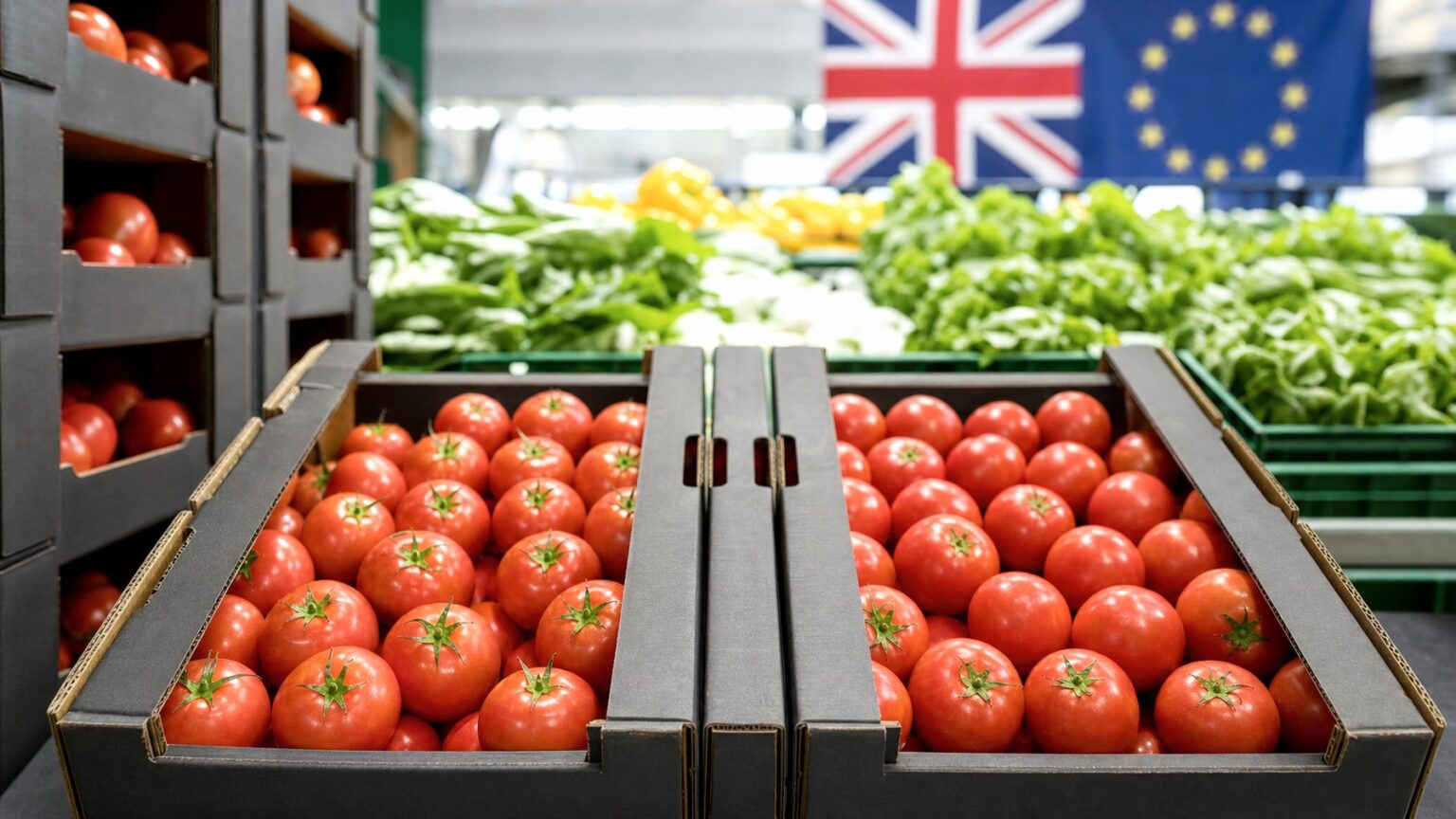
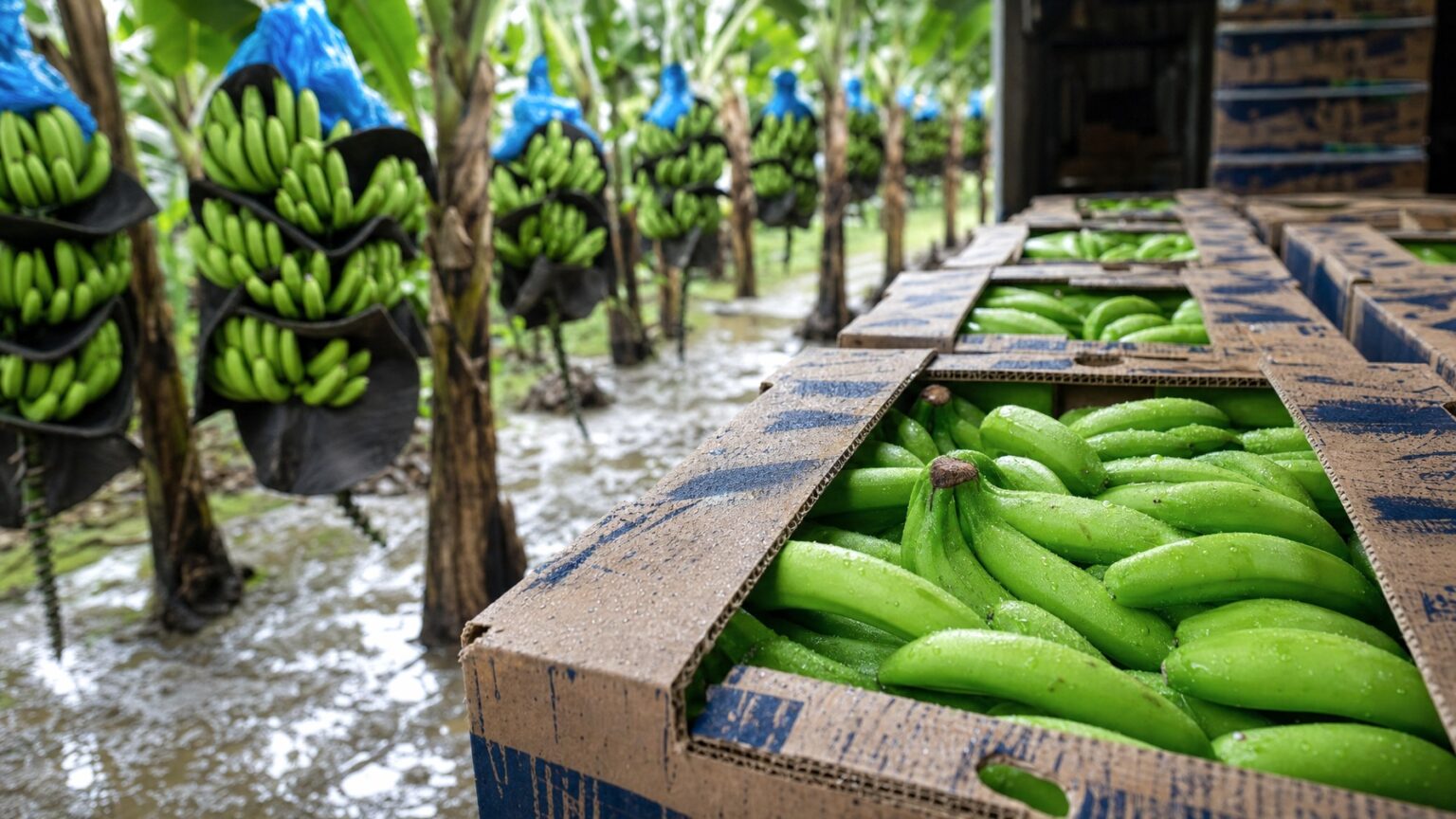
Effective packaging is crucial to ensure that produce arrives fresh and undamaged at its destination.
For produce executives and marketers, understanding the nuances of packaging can enhance both customer satisfaction and profitability.
The right packaging strategies can also address logistical and sustainability concerns, making your operations more efficient and environmentally friendly.
This article explores eight best practices for packaging fresh produce for e-commerce, providing insights into how to optimize your supply chain and meet consumer demands.
By implementing these strategies, you can improve the quality and appeal of your products while reducing waste and costs.
1. Choose the Right Packaging Materials
Selecting appropriate packaging materials is the first step in ensuring produce quality during transit.
Packaging must protect against physical damage, moisture, and temperature fluctuations.
Materials like corrugated cardboard, plastic liners, and biodegradable options can offer robust protection while aligning with sustainability goals.
Consider using materials that are recyclable and biodegradable to minimize environmental impact.
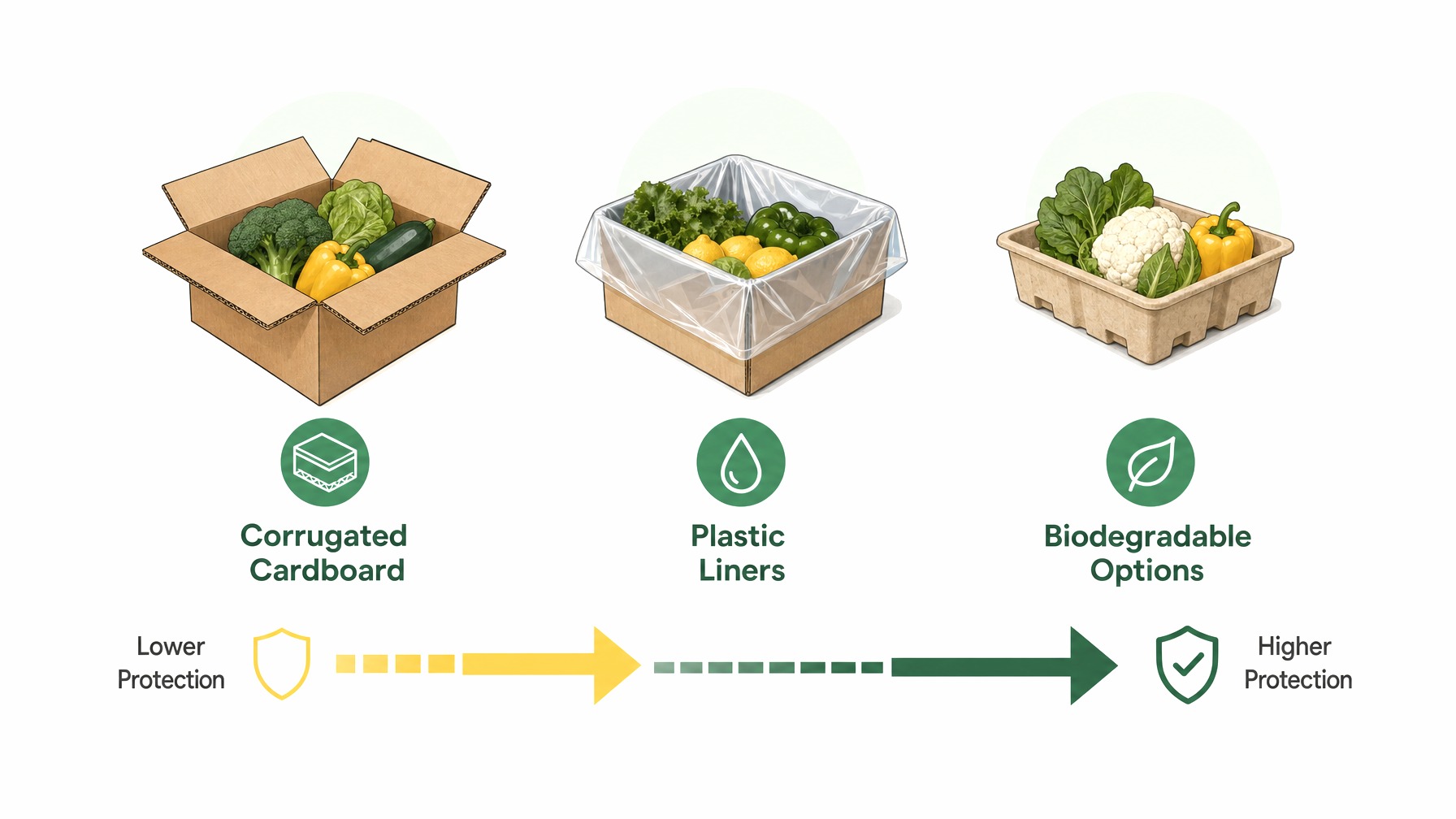
- Corrugated cardboard for durability
- Plastic liners to prevent moisture
- Biodegradable options for sustainability
By incorporating these materials, you can ensure your packaging is both practical and eco-friendly.
This approach not only protects the produce but also appeals to environmentally conscious consumers.
2. Implement Temperature Control Solutions
Maintaining the right temperature is critical for preserving the freshness of perishable goods.
Insulated packaging and gel packs are popular solutions to maintain consistent temperatures during transit.
Consider the use of phase change materials, which can absorb and release thermal energy, for advanced temperature management.
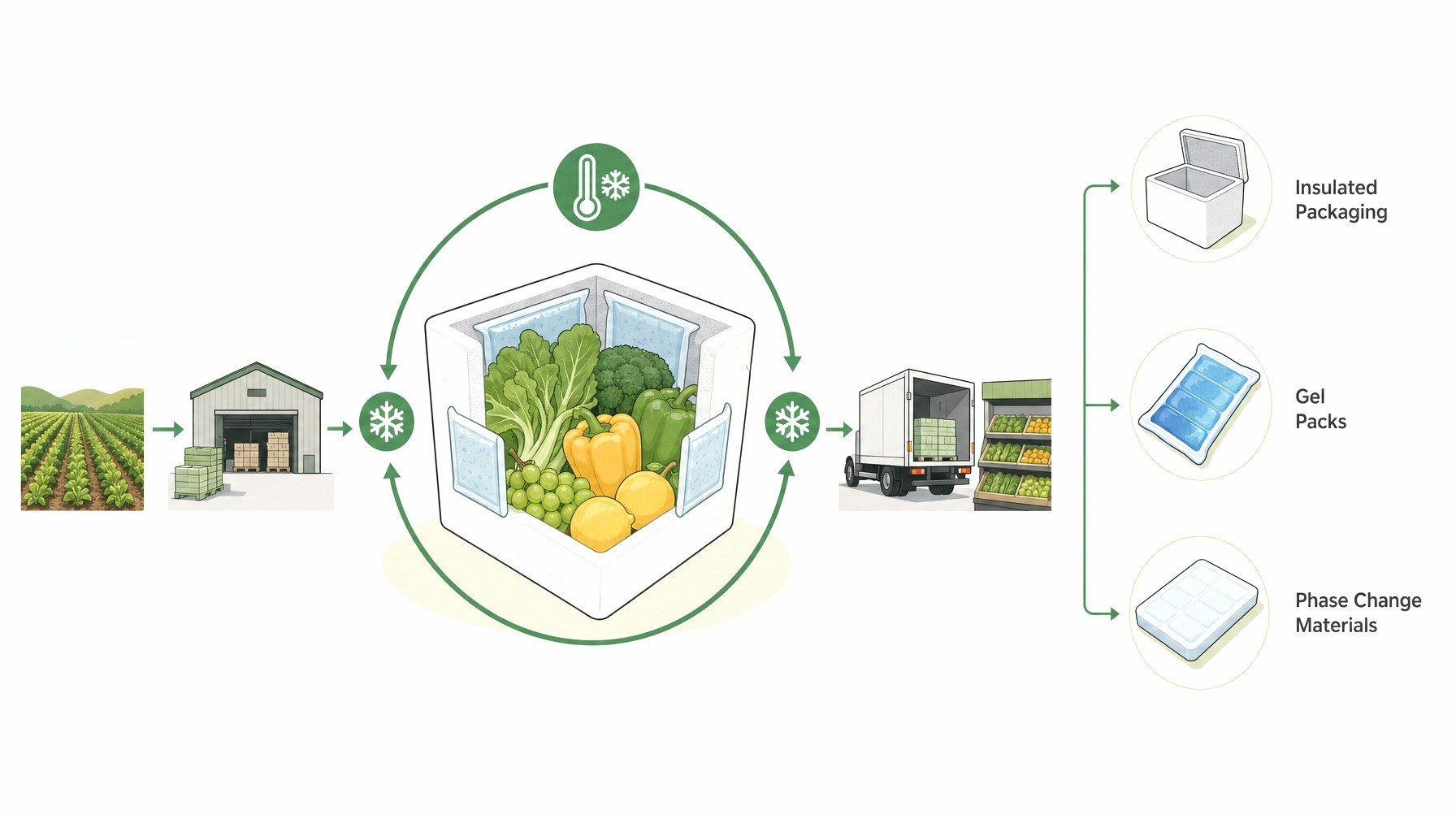
These materials help in maintaining optimal conditions for various types of produce.
- Insulated packaging for temperature stability
- Gel packs for cooling
- Phase change materials for advanced control
Investing in effective temperature control solutions can prevent spoilage and extend the shelf life of your products, thereby enhancing customer satisfaction and reducing waste.
3. Optimize Packaging Design for Efficiency
Packaging design plays a significant role in both the protection and presentation of produce.
Efficient design ensures that products are well-protected, easily stackable, and maximize space utilization during transport.
Consider modular designs that fit standard shipping containers, reducing shipping costs and minimizing damage risks.
Easy-to-open designs can also enhance the customer unboxing experience, adding value to your brand.
- Modular designs for space efficiency
- Stackable options for transport
- Easy-open features for customer experience
By focusing on efficient packaging design, you not only protect the produce but also optimize logistics and improve customer engagement.
4. Incorporate Branding Elements
Packaging also serves as a marketing tool, and incorporating branding elements can enhance brand recognition and customer loyalty.
Use distinctive colors, logos, and messaging that reflect your brand values and appeal to your target audience.
Ensure that branding does not compromise the protective function of the packaging.
Balancing aesthetics with functionality is key to effective branding.
- Distinctive colors for brand recognition
- Clear logos for identity
- Brand messaging to convey values
Effective branding on packaging can differentiate your products in a competitive market, helping to build a loyal customer base.
5. Ensure Packaging is Easy to Dispose
Consumers are increasingly concerned about the environmental impact of packaging waste.
Offering easy-to-dispose packaging options can enhance customer satisfaction and reduce environmental footprint.
Consider using recyclable materials and providing clear disposal instructions, helping consumers make environmentally friendly choices.
- Recyclable materials for eco-friendliness
- Clear instructions for disposal
- Minimalist design to reduce waste
By prioritizing easy disposal, you align your business with sustainability trends and meet consumer expectations for responsible packaging.
6. Tailor Packaging to Produce Type
Different types of produce require specialized packaging solutions to ensure they arrive in optimal condition.
Tailor your packaging to the specific needs of each product category for maximum effectiveness.
For instance, delicate items like berries may require cushioned containers, while hardier produce like potatoes need less protection.
- Cushioned containers for delicate items
- Breathable packaging for fresh air flow
- Rigid packaging for sturdy items
Customizing packaging solutions ensures that each type of produce retains its quality and appeal throughout the shipping process.
7. Monitor and Test Packaging Performance
Regularly monitoring and testing packaging performance is essential for continuous improvement.
This involves assessing how well packaging protects produce during transit and identifying areas for enhancement.
Conducting tests under various conditions can reveal weaknesses and inform necessary adjustments.
Solicit feedback from customers to understand their experiences and expectations.
- Regular assessments for performance
- Condition testing for reliability
- Customer feedback for insights
By actively monitoring packaging performance, you can make informed decisions to improve your packaging strategies and meet consumer expectations.
The Bottom Line
Effective packaging is a cornerstone of successful e-commerce in the fresh produce sector.
By implementing these best practices, you can ensure your products arrive fresh and appealing to consumers.
From choosing the right materials to tailoring designs for specific produce types, each step enhances your supply chain’s efficiency and sustainability.
These strategies not only protect your products but also strengthen your brand’s reputation and customer loyalty.
Incorporating these practices into your e-commerce operations will set your business apart in a competitive market, providing a solid foundation for growth and success.