In the competitive world of produce logistics, measuring success involves more than just tracking delivery times.
It requires a comprehensive understanding of metrics that affect every facet of the supply chain.
From the field to the retail shelf, these metrics ensure that operations run smoothly and efficiently.
As produce executives and logistics managers, staying informed about these metrics is crucial.
They not only highlight areas of improvement but also guide strategic planning.
The right metrics can significantly enhance operational efficiency and customer satisfaction.
Here, we delve into eight essential metrics that are indispensable for measuring logistics success in the fresh produce industry.
These metrics help you grasp the nuances of logistics performance and drive your business forward.
1. Delivery Accuracy
Delivery accuracy is a fundamental metric in produce logistics.
It measures the percentage of orders delivered without discrepancies.
Timely and accurate deliveries are vital for maintaining customer trust and satisfaction.
Tracking delivery accuracy involves monitoring whether orders reach the right destination at the scheduled time.
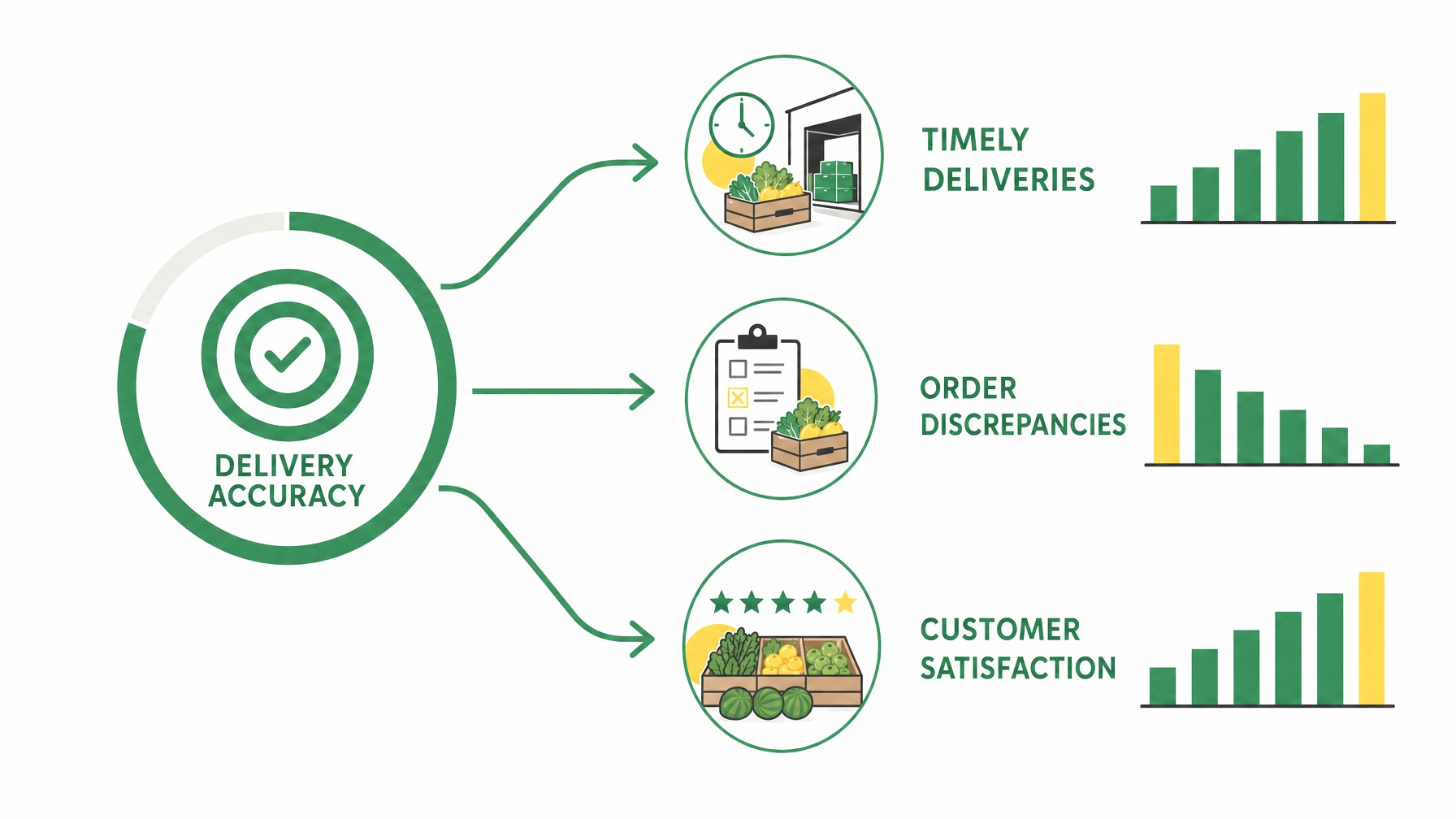
This metric directly impacts retailer relationships and can influence repeat business.
- Monitor delivery times against planned schedules.
- Track discrepancies in order quantities and items.
- Analyze factors causing delivery errors.
Improving delivery accuracy often requires collaboration with logistics partners.
It may also involve investing in technology that enhances tracking and communication across the supply chain.
2. Load Efficiency
Load efficiency measures how effectively space is utilized in transport vehicles.
Maximizing load efficiency reduces transportation costs and minimizes environmental impact.
This metric is crucial for optimizing routes and minimizing the number of trips required.
It also plays a role in reducing fuel consumption and emissions.
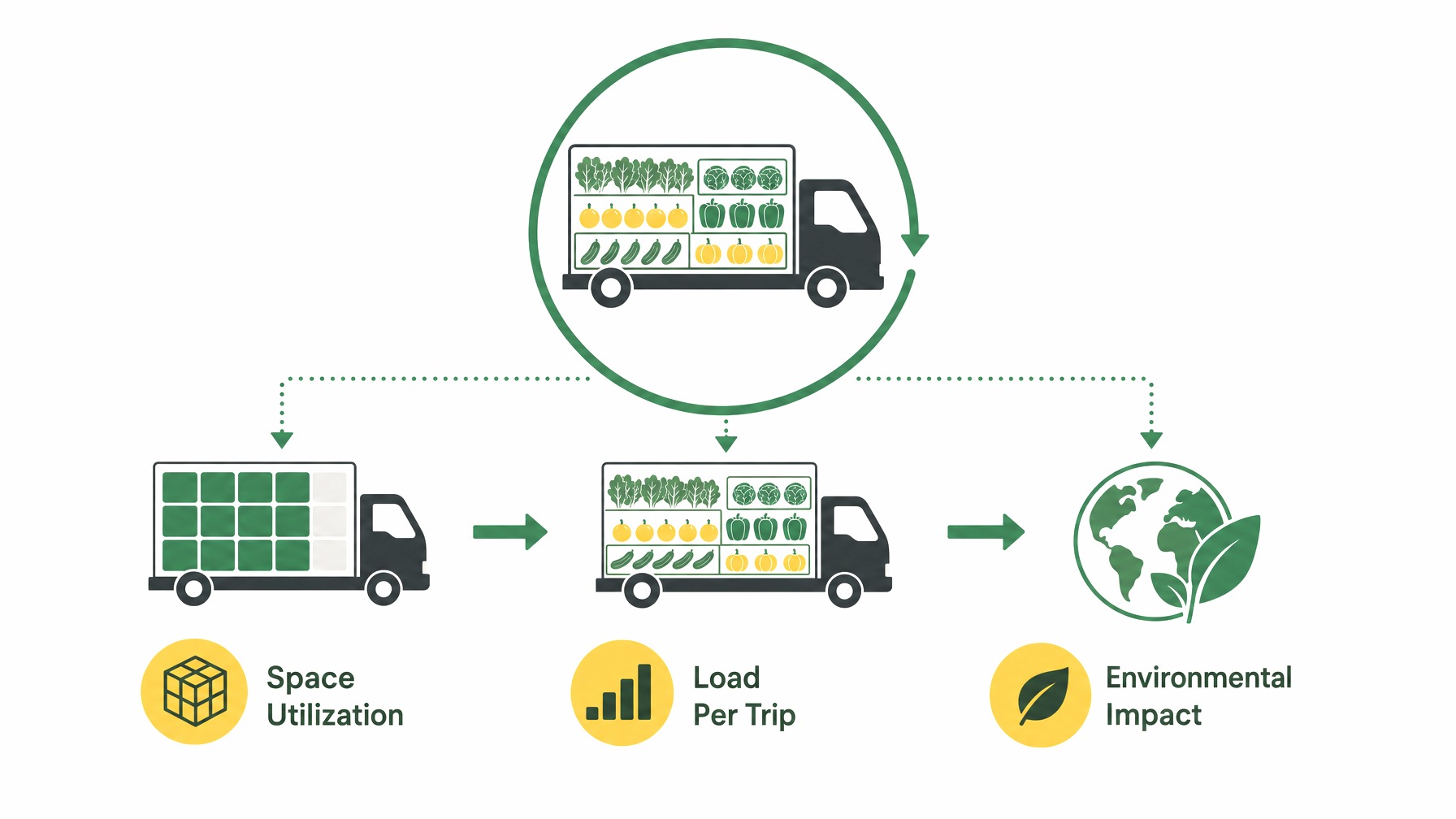
- Calculate average load per trip.
- Identify underloaded or overloaded vehicles.
- Implement strategies for better space utilization.
Logistics managers can improve load efficiency by using software that optimizes packing and routing.
Additionally, training staff on effective loading techniques can lead to more efficient space use.
3. Safety Compliance
Safety compliance is a critical metric, ensuring that all logistics processes meet industry regulations.
Non-compliance can result in fines and damage to your brand’s reputation.
Tracking safety compliance involves regular audits and checks.
It ensures that vehicles, drivers, and storage facilities meet safety standards.
- Regularly inspect vehicles for roadworthiness.
- Ensure drivers have up-to-date certifications.
- Audit storage facilities for compliance with safety regulations.
Investing in compliance training and technology can help maintain high safety standards.
Implementing a culture of safety can reduce accidents and improve overall operational efficiency.
4. Temperature Control
Temperature control is vital for preserving the quality and shelf life of fresh produce.
Deviations in temperature can lead to spoilage and financial losses.
This metric involves monitoring storage and transport conditions.
It ensures that produce remains within optimal temperature ranges throughout the supply chain.
- Utilize temperature monitoring devices in storage and transport units.
- Regularly calibrate equipment to ensure accuracy.
- Document temperature logs for audit and review.
Implementing advanced temperature monitoring systems can provide real-time alerts and help prevent spoilage.
This proactive approach minimizes waste and enhances product quality.
5. Fuel Efficiency
Fuel efficiency impacts both costs and environmental sustainability.
This metric measures the amount of fuel consumed relative to the distance traveled.
Improving fuel efficiency reduces operational costs and supports sustainability goals.
It also aligns with industry trends towards greener logistics practices.
- Track fuel consumption per vehicle.
- Analyze routes for optimization opportunities.
- Invest in fuel-efficient vehicles and technologies.
Regular maintenance of vehicles and driver training programs can further improve fuel efficiency.
These measures contribute to cost savings and environmental responsibility.
6. Inventory Turnover
Inventory turnover measures how quickly produce moves through the supply chain.
High turnover indicates efficient inventory management.
This metric is crucial for reducing storage costs and preventing spoilage.
It also reflects the effectiveness of demand forecasting and ordering processes.
- Calculate the turnover rate for different produce items.
- Identify slow-moving inventory and adjust strategies.
- Enhance demand forecasting accuracy.
Optimizing inventory turnover involves balancing supply with demand.
This can be achieved through improved forecasting and agile supply chain practices.
7. Order Cycle Time
Order cycle time measures the time taken from order receipt to delivery completion.
Shorter cycle times enhance customer satisfaction and competitiveness.
This metric encompasses several stages, including order processing, picking, packing, and shipping.
Efficient management of these stages is key to reducing cycle times.
- Streamline order processing systems.
- Invest in automated picking and packing technologies.
- Monitor performance at each stage of the cycle.
Reducing order cycle time often requires investment in technology and process optimization.
Focusing on these areas can lead to faster deliveries and improved customer satisfaction.
8. Customer Satisfaction
Customer satisfaction is a holistic metric that encompasses the entire logistics process.
It reflects the success of all other metrics combined.
Maintaining high levels of customer satisfaction requires consistent quality, reliability, and communication throughout the supply chain.
- Conduct regular customer feedback surveys.
- Monitor customer complaints and resolve issues promptly.
- Maintain transparent communication with customers.
Ensuring customer satisfaction involves continuous improvement of logistics processes.
Engaging with customers and addressing their needs is essential for long-term success.
The Bottom Line
Measuring and optimizing these key metrics is essential for logistics success in the produce industry.
Each metric provides valuable insights into different aspects of the supply chain.
By focusing on these metrics, produce executives can enhance operational efficiency and customer satisfaction.
This strategic approach supports sustainable growth and competitiveness in the fresh produce market.
Implementing the right tools and technologies will further streamline logistics operations.
Staying proactive and adaptive is key to thriving in this dynamic industry.