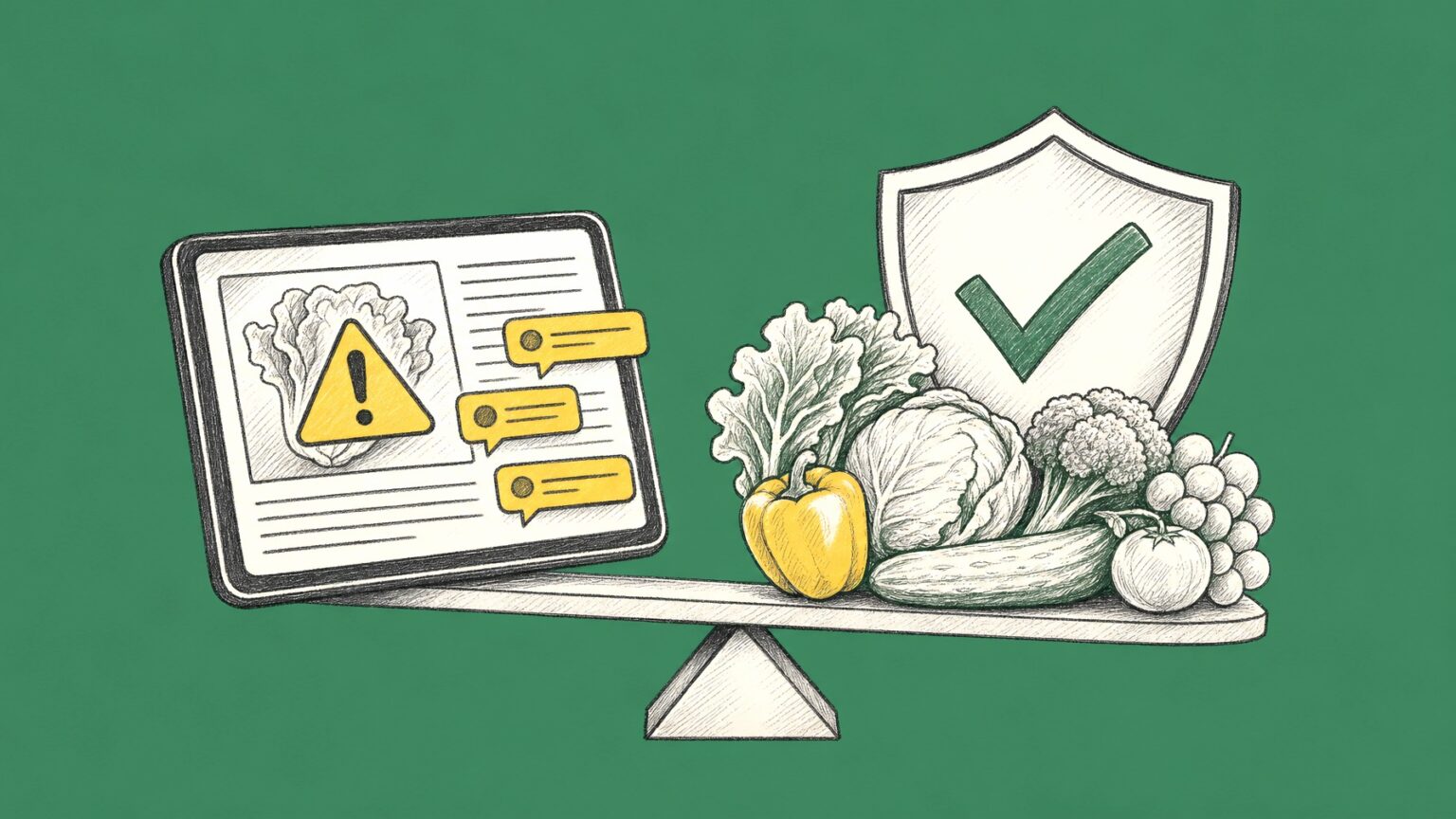
The rapid advancement of artificial intelligence (AI) poses both opportunities and challenges across various industries, including fresh produce.
While AI can streamline operations and enhance efficiency, it also harbors the potential to spread misinformation, threatening consumer trust and safety perceptions.
This dual nature of AI was a focal point at the recent IFPA Global Produce and Floral Show, where digital reputation expert Peter Wilson sounded the alarm on the risks of AI-driven falsehoods.
In an industry where consumer trust is paramount, the infiltration of misinformation could have dire consequences, prompting industry leaders to consider proactive measures to safeguard their reputations.
To maintain consumer confidence, the fresh produce sector must act decisively against the spread of AI-generated misinformation.
AI Misinformation Threatens Food Safety Perceptions
AI-generated misinformation has emerged as a significant threat to the fresh produce industry, infiltrating consumer perceptions of food safety and quality.
Such misinformation can swiftly proliferate, leading consumers to question the integrity of the products they purchase.
This is particularly concerning given that consumers heavily rely on accurate information to make informed purchasing decisions, especially when it comes to food safety.
Once consumer trust is compromised, the process of rebuilding it can be both lengthy and challenging.
During the IFPA Global Produce and Floral Show, industry leaders received a stark warning about the potential repercussions of ignoring AI-driven falsehoods.
Peter Wilson’s address served as a pivotal moment, emphasizing the urgency of addressing these threats head-on.
His insights resonated with attendees, highlighting the critical need for vigilance in maintaining consumer trust and confidence.
To counteract these challenges, the industry must develop proactive strategies to identify and mitigate misinformation before it gains traction.
By doing so, the industry can safeguard its reputation and ensure consumer trust remains intact.
Impact of AI Misinformation on Consumer Trust
The infiltration of AI-generated misinformation poses a significant risk to consumer trust in the fresh produce industry.
False claims about product safety, quality, or origin can mislead consumers, resulting in confusion and eroding trust.
Even when such claims are unfounded, the reputation of companies can be tarnished, necessitating swift and effective responses.
To address these assaults on credibility, companies must act quickly to correct misinformation and reassure consumers of their commitment to safety and quality.
Building consumer trust requires transparency and effective communication strategies to convey accurate information.
- Highlighting traceability efforts through digital tools can reinforce consumer confidence.
- Engaging directly with consumers via social media helps address concerns in real-time.
- Providing easy access to verified information can prevent the spread of falsehoods.
These measures are crucial in restoring confidence and preventing further erosion of trust within the industry.
Strategies for Combating AI-Driven Misinformation
To effectively combat AI-driven misinformation, the fresh produce industry must adopt a multifaceted approach that leverages both technology and human oversight.
One of the most effective strategies involves using technology to verify and disseminate accurate information.
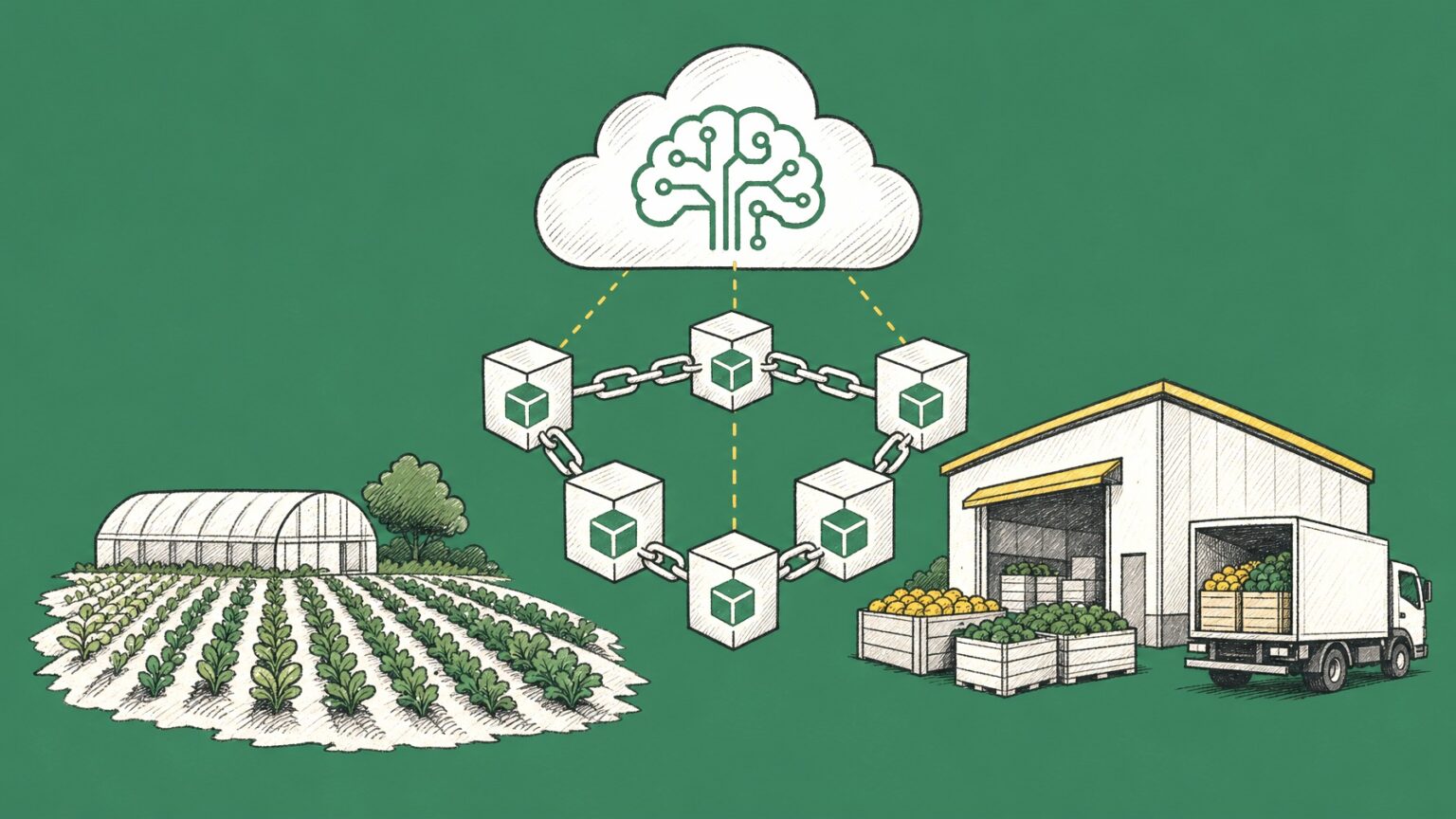
Blockchain technology, for instance, offers a transparent and secure method for tracking produce from farm to table.
This transparency can bolster consumer confidence by providing verifiable data on product origins and safety.
In addition to technological solutions, human oversight remains essential in the fight against misinformation.
Industry experts must collaborate to monitor and address false claims as they arise, ensuring that misinformation is swiftly countered.
- Forming alliances with tech companies can enhance AI monitoring capabilities.
- Implementing rapid response teams allows for quick action during misinformation outbreaks.
- Developing industry-wide standards for information accuracy can create a unified defense against misinformation.
Through these concerted efforts, the industry can better safeguard its integrity and protect consumer trust.
Industry Leaders Must Lead the Charge Against Misinformation
Industry leaders play a crucial role in mitigating the impact of AI-generated misinformation by driving collective action and innovation.
Their influence and resources can set a precedent for transparency and accountability within their operations.
By fostering a culture of openness, these leaders can help rebuild consumer trust and confidence, setting a standard for the entire industry.
Engagement with stakeholders, including consumers, regulators, and technology providers, is essential for effective collaboration.
Such partnerships can facilitate the sharing of best practices and the development of new solutions to combat misinformation.
The leadership demonstrated at events like the IFPA Global Produce and Floral Show is instrumental in uniting the industry against misinformation threats.
Collective action and a commitment to safeguarding integrity can drive meaningful change.
Ultimately, industry leaders must champion efforts to protect the accuracy and reliability of information, ensuring consumer trust remains uncompromised.
Collaborative Initiatives to Enhance Information Accuracy
Collaboration across the fresh produce industry is crucial to enhancing information accuracy and countering misinformation.
By working together, companies can create a unified front against misinformation and its detrimental effects.
Collaborative initiatives can involve developing industry standards and protocols for information verification.
These standards provide a consistent framework for identifying and addressing misinformation effectively.
Pooling resources and expertise enhances the industry’s ability to respond swiftly to false claims.
Engaging in dialogue with external stakeholders, such as media and consumer advocacy groups, further bolsters these efforts.
- Establishing cross-industry task forces allows for rapid response to misinformation.
- Creating centralized platforms for verified information dissemination can ensure accuracy.
- Fostering partnerships with educational institutions enhances research and development.
Through these collaborative measures, the industry can maintain its credibility and consumer trust in the face of misinformation challenges.

Technological Innovations as a Defense Mechanism
Technological innovations offer a robust defense against AI-generated misinformation within the fresh produce industry.
By integrating advanced technologies, companies can enhance transparency and traceability across the supply chain.
Blockchain technology, in particular, has emerged as a powerful tool for ensuring data integrity and authenticity.
It allows every stakeholder to verify product information, reducing the risk of misinformation.
AI and machine learning can also play a role in identifying and flagging suspicious content.
These technologies can analyze patterns and detect anomalies that may indicate misinformation.
Data analytics further provides valuable insights into consumer behavior and concerns, enabling targeted interventions.
- Utilizing blockchain for transparent supply chain tracking enhances consumer confidence.
- Implementing AI for misinformation detection strengthens the industry’s defenses.
- Leveraging data analytics for consumer insights allows for targeted responses.
By embracing these technological advancements, the industry can fortify its defenses against misinformation and protect consumer trust.
Consumer Education as a Key Strategy
Consumer education is a critical component in combating AI-generated misinformation in the fresh produce industry.
Providing consumers with the knowledge and tools to identify misinformation empowers them to make informed decisions.
Educational initiatives can focus on raising awareness about the sources of misinformation and how to verify information.
By equipping consumers with critical thinking skills, the industry can reduce the impact of misinformation on consumer trust.
Interactive workshops and seminars can be effective methods for engaging consumers and enhancing their understanding of AI’s role in the industry.
Partnerships with educational institutions can further support these efforts by developing comprehensive curricula on digital literacy and information verification.
Through these educational strategies, the industry can foster a more informed consumer base less susceptible to misinformation.
Legal Frameworks to Combat Misinformation
Developing legal frameworks is essential to effectively combat AI-driven misinformation in the fresh produce industry.
Regulatory measures can provide a structured approach to dealing with false information and hold entities accountable.
Governments and industry bodies must collaborate to establish clear guidelines that deter the dissemination of misinformation.
These frameworks can include penalties for spreading false information and incentives for promoting accurate data.
By enforcing these regulations, authorities can create a deterrent effect, reducing the prevalence of misinformation.
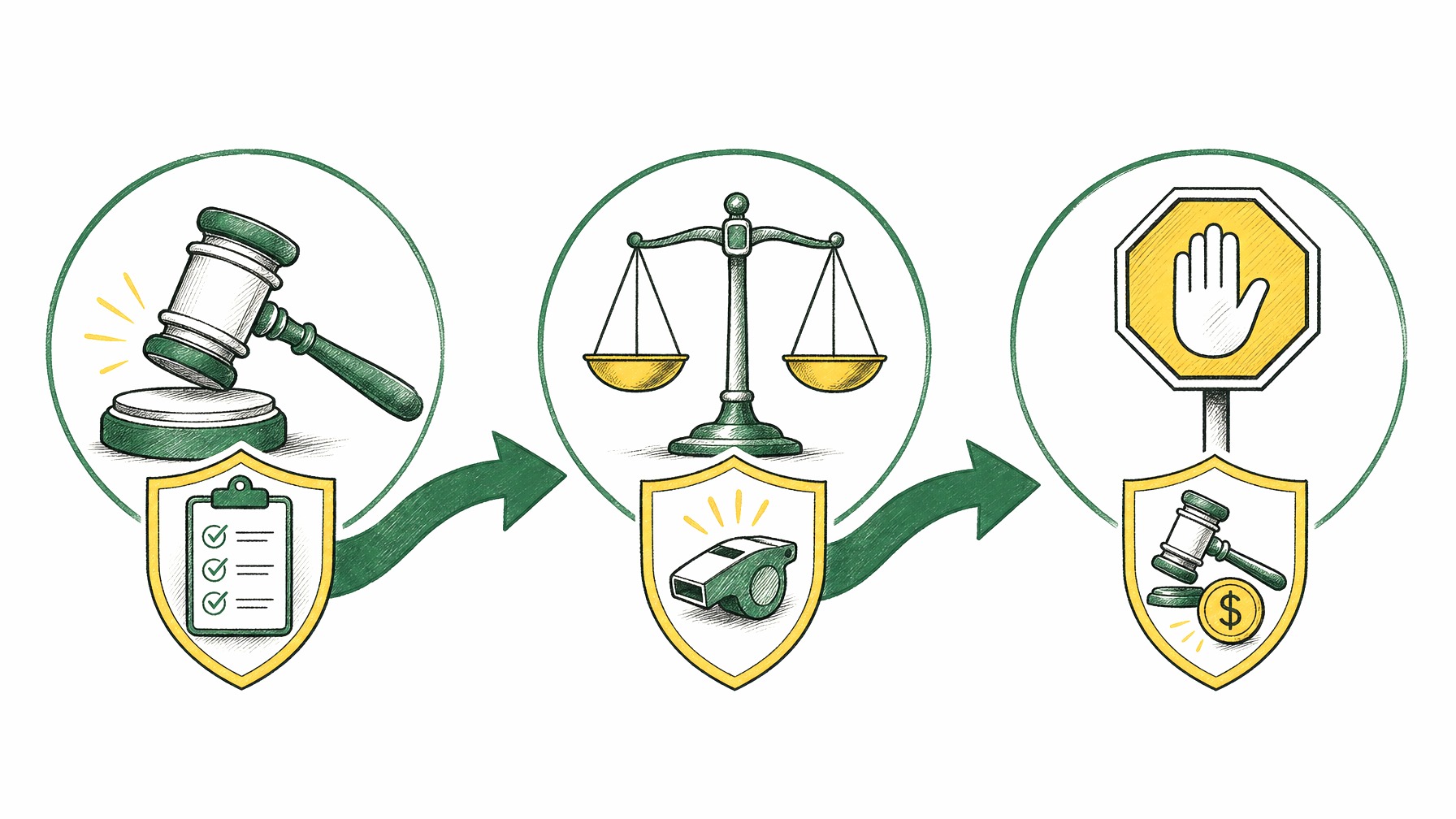
- Setting standards for information accuracy and transparency is crucial.
- Encouraging whistleblowers to report misinformation fosters accountability.
- Implementing penalties for non-compliance ensures adherence to guidelines.
Legal frameworks thus act as a strong support system for maintaining integrity and trust within the industry.
Decisive Action Required to Protect Consumer Trust
The fresh produce industry must take decisive action to counter the threats posed by AI-generated misinformation.
Consumer trust is a cornerstone of the industry’s success, and protecting it requires immediate and concerted efforts.
Failure to address misinformation can lead to lasting damage to reputation and consumer confidence.
Proactive measures, such as embracing technological solutions and fostering collaboration, are essential to combating misinformation effectively.
Industry leaders must champion these efforts and set a standard for integrity and transparency.
By doing so, they can safeguard consumer trust and ensure the long-term viability of the fresh produce sector.
Ultimately, the industry’s ability to adapt and respond to the challenges posed by AI-driven misinformation will determine its future resilience.
Now is the time for decisive action to protect the industry’s most valuable asset: consumer trust.