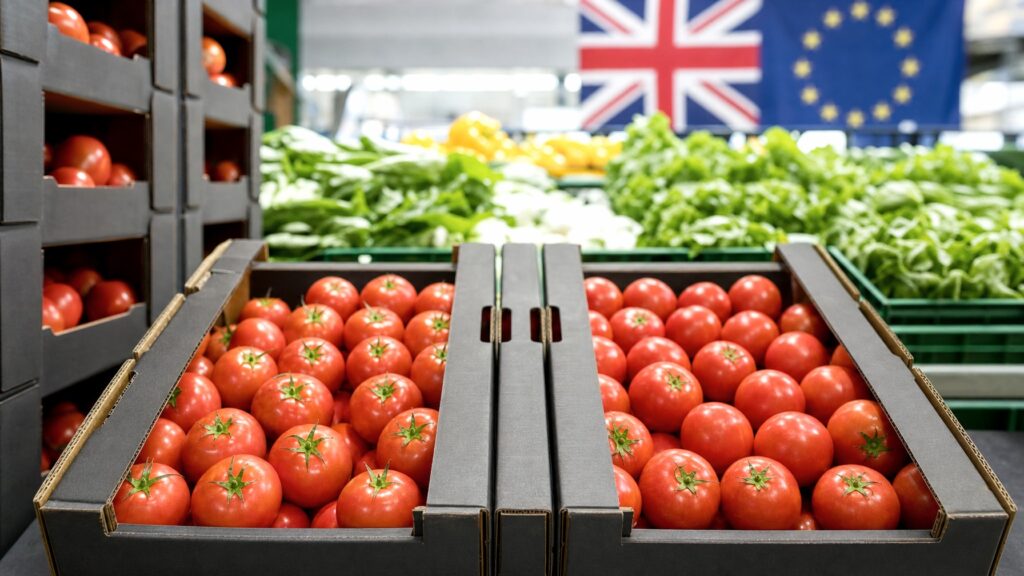
The UK’s fresh produce sector is poised for significant changes as it braces for potential impacts from proposed UK-EU policy adjustments.
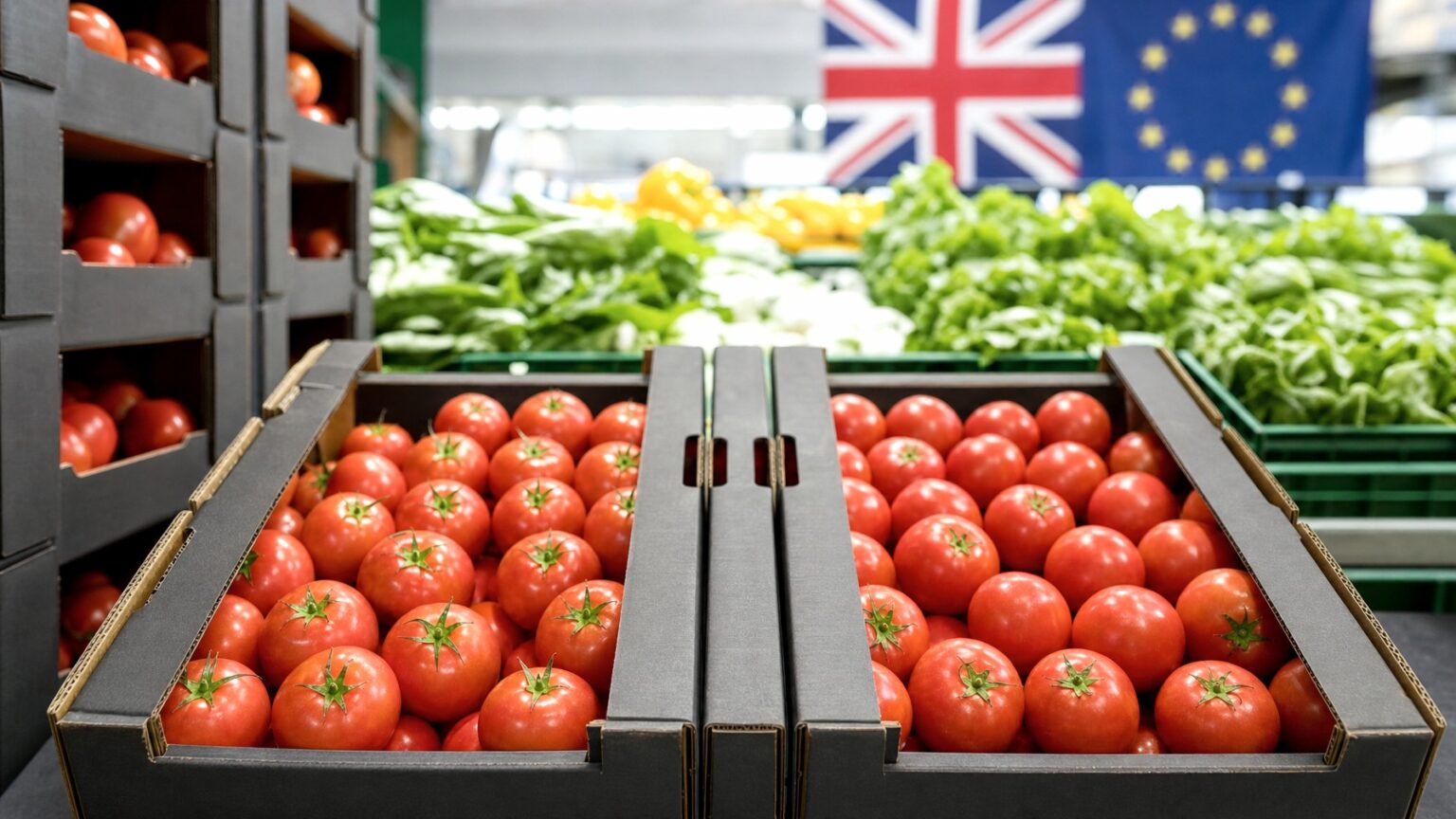
Industry experts warn that the fresh produce industry could incur over £300 million in additional annual costs if a UK-EU trade reset is implemented.
These changes could lead to increased prices for fruits and vegetables, affecting both retailers and consumers.
The Fresh Produce Consortium (FPC) has voiced concerns, urging Prime Minister Andy Burnham to prioritize protecting global food supply chains ahead of the upcoming UK-EU summit in Brussels.
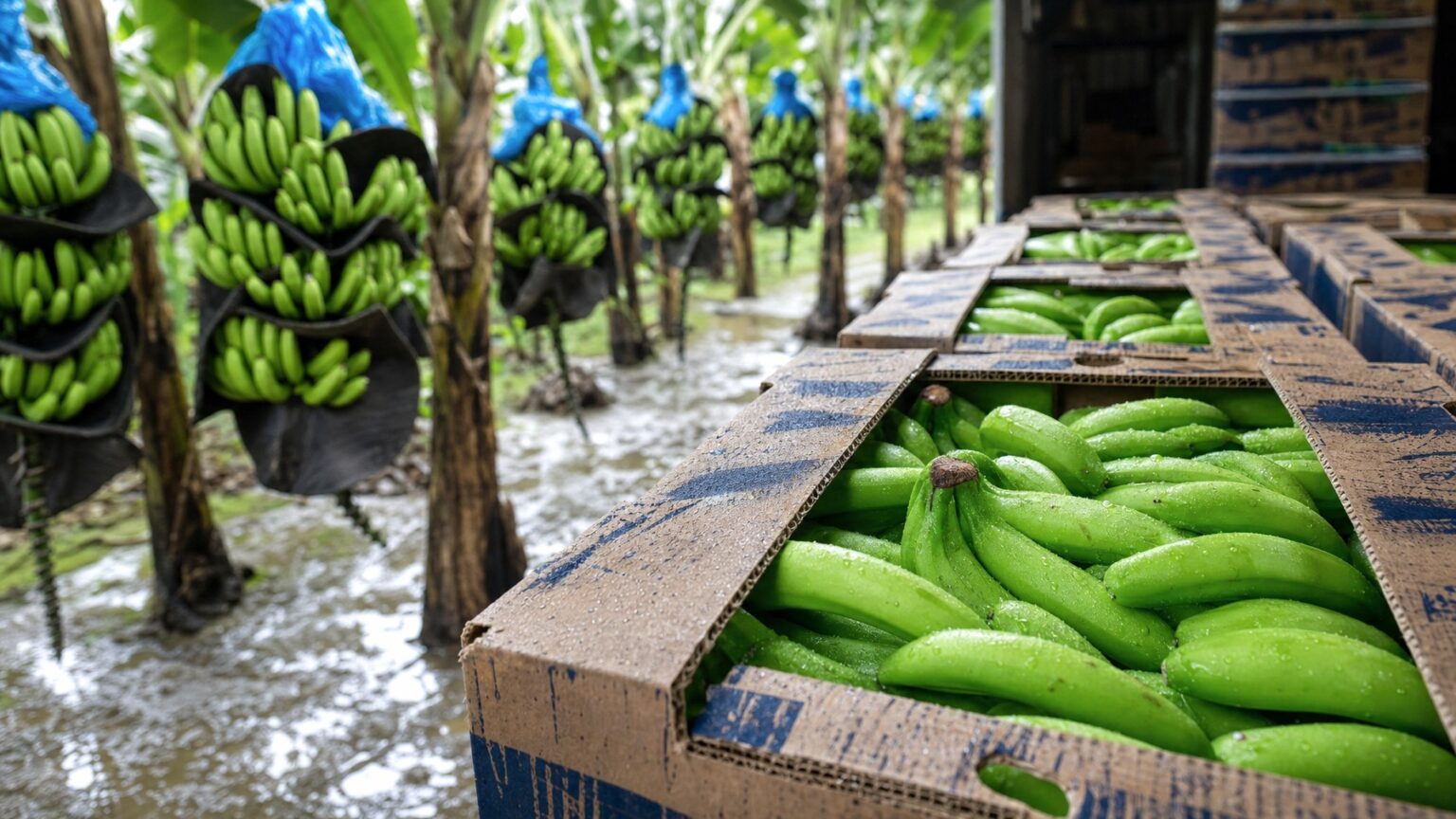
The FPC highlights that approximately four million tonnes of fresh produce imported annually from outside the EU could face new certification and border charges.
- UK fresh produce sector anticipates £300 million annual cost increases.
- New EU policies may lead to higher prices for fruits and vegetables.
- Four million tonnes of non-EU imports could face new charges.
- FPC requests exemption from regulatory alignment for non-EU imports.
- Call for safeguards to protect consumer choice and affordability.
This shift could undermine the current UK system, which maintains 99.5% border compliance, without necessarily enhancing biosecurity.
The consortium proposes a long-term exemption from dynamic regulatory alignment for non-EU imports destined solely for the British market.
This would allow the UK to retain existing risk-based border checks for these imports while ensuring that produce exported to the EU meets European standards.
The FPC warns that additional import costs could lead to shorter shelf lives for perishable products, increased food waste, and disruptions in supply.
Such changes could make trading with Britain more expensive for smaller importers and overseas suppliers, potentially reducing competition and consumer choice.
While the government plans to implement a Sanitary and Phytosanitary (SPS) agreement by 2027 to ease EU trade, the FPC fears that any benefits might be offset by additional costs on produce from other countries.
The consortium emphasizes that reliable international supplies are crucial for maintaining year-round availability of fresh produce, especially when domestic and European production falls short.
FPC Chief Executive Nigel Jenney stresses that the global supply chain is essential for national food security and affordability.
He warns that increased import costs could expose consumers to higher prices and supply disruptions.
The FPC also calls on ministers to clarify the savings the proposed agreement would deliver, ensuring non-EU suppliers are not disadvantaged.
As the Brussels summit approaches, the consortium is advocating for safeguards that prevent additional costs, protect consumer choice, and maintain the affordability of fresh produce.
The FPC insists on greater industry engagement before finalizing any arrangements to protect the nation’s food security effectively.