The global fruit and vegetable trade is facing significant challenges as growth has nearly stalled, with a meager 0.1 percent annual increase in trade value from 2021 to 2025, according to the latest Fruit Logistica Trend Report published today.
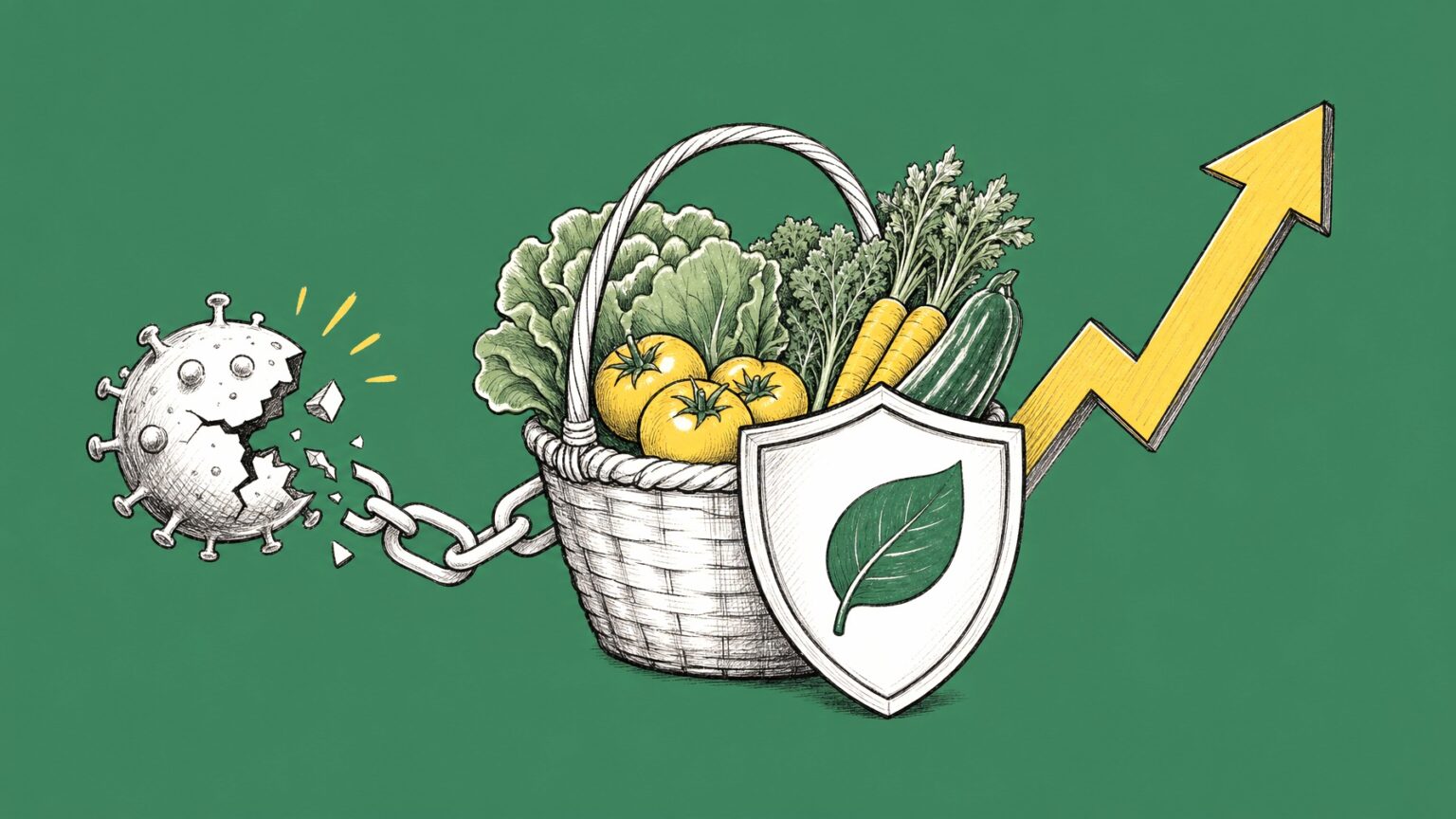
The report, titled “How to weather the storm?“, highlights the impact of geopolitical tensions, extreme weather events, and rising costs on the sector.
Industry experts emphasize that for long-term success, companies must operate not only efficiently but also be prepared to react flexibly to these rapid changes.
Mike Knowles, Managing Director of Fruitnet Europe, notes that while the international fruit and vegetable sector has weathered many crises, current challenges are occurring more frequently and simultaneously.
This has led to a call for companies to rethink their approach, as optimizing supply chains for maximum efficiency is no longer sufficient.
- Global fruit and vegetable trade sees only 0.1% growth by 2025.
- Challenges include geopolitical tensions, weather events, and rising costs.
- Companies must adopt flexible and efficient operational strategies.
- Diversifying sales markets reduces dependencies and mitigates risks.
- Innovation and resilient partnerships are key for long-term competitiveness.
Instead, it is crucial for companies to remain capable of acting even when markets collapse, harvests fail, or transport routes suddenly cease to function.
The report stresses the importance of diversifying sales markets, accounting for geopolitical risks early, and reducing dependence on individual trading partners.
The Fruit Logistica Trend Report also reveals that markets are developing differently, with international trade in apples, grapes, and oranges declining, while blueberries and avocados continue to see significant growth.
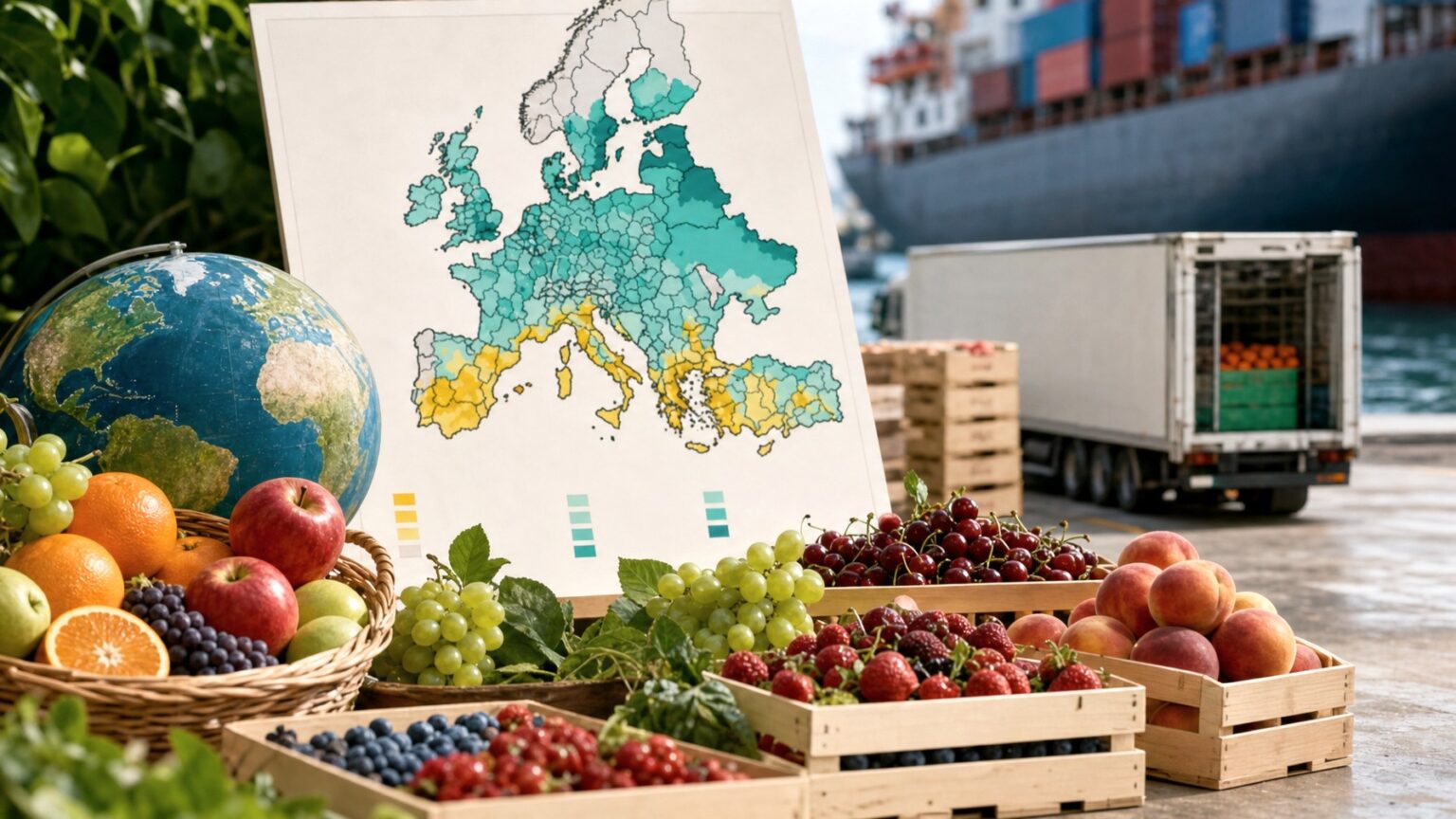
Changes in climatic conditions are influencing where and under what conditions fruit and vegetables can be grown profitably.
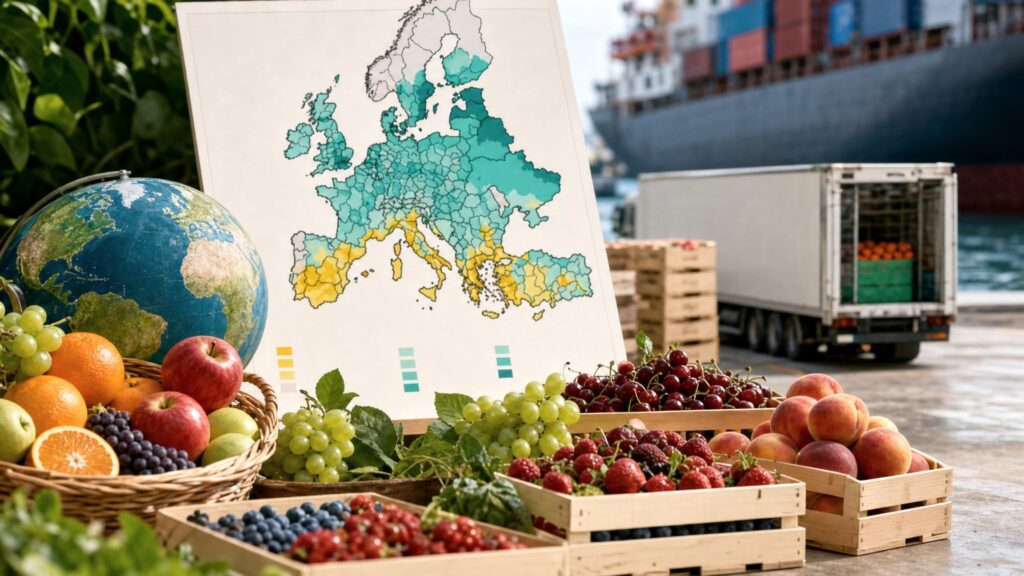
Analysis by RaboResearch indicates that by 2050, European fruit growing could see significant shifts, with parts of the Mediterranean suffering from heat and water scarcity, and cooler regions becoming more important for certain fruit varieties.
International logistics face new challenges as well, with low water levels in key transit routes like the Panama Canal and the River Rhine, along with geopolitical conflicts and rising transport costs, jeopardizing the reliability of global goods flows.
For perishable goods, even short delays can result in a significant loss of quality.
The report makes it clear that in the future, it will not be solely the fastest or cheapest transport link that is decisive.
Rather, it will be essential to monitor alternative routes, identify risks early, and strengthen cooperation throughout the entire supply chain.
Companies investing early in innovation, resilient partnerships, and flexible business models will create the conditions necessary to remain competitive under uncertain conditions.