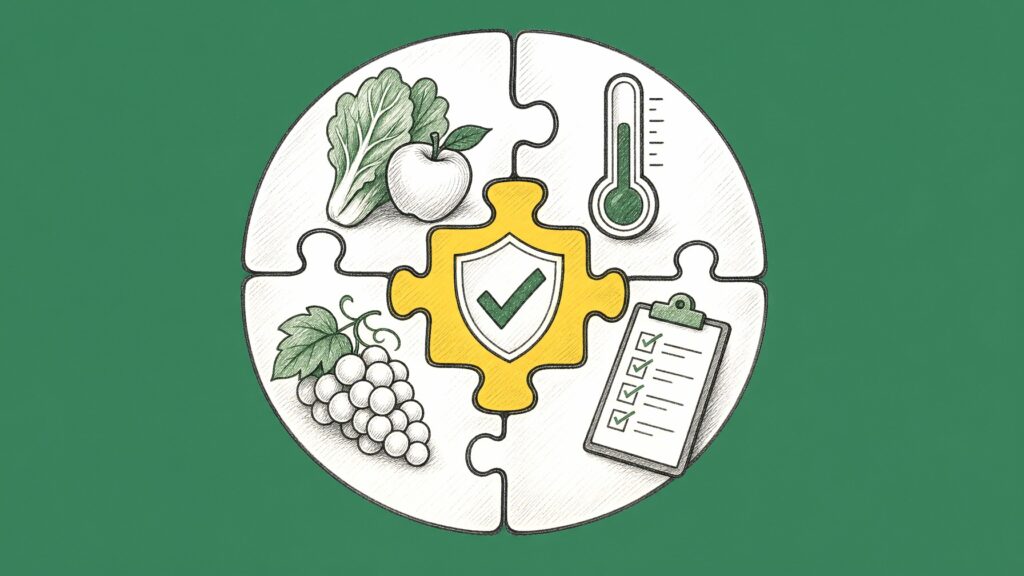
In the rapidly evolving produce industry, food safety is paramount.
Implementing a Hazard Analysis Critical Control Point (HACCP) system can help ensure the safety and quality of fresh produce.
With its systematic approach, HACCP minimizes risks and enhances consumer confidence.
Establishing HACCP in produce operations demands a strategic approach.
It involves identifying potential hazards, establishing control measures, and ensuring compliance with industry standards.
By embedding these practices, businesses can protect their supply chain and their brand reputation.
This article outlines six key practices for implementing HACCP in produce operations.
These steps will guide produce professionals in integrating HACCP effectively, ensuring both safety and regulatory compliance.
1. Conduct a Hazard Analysis
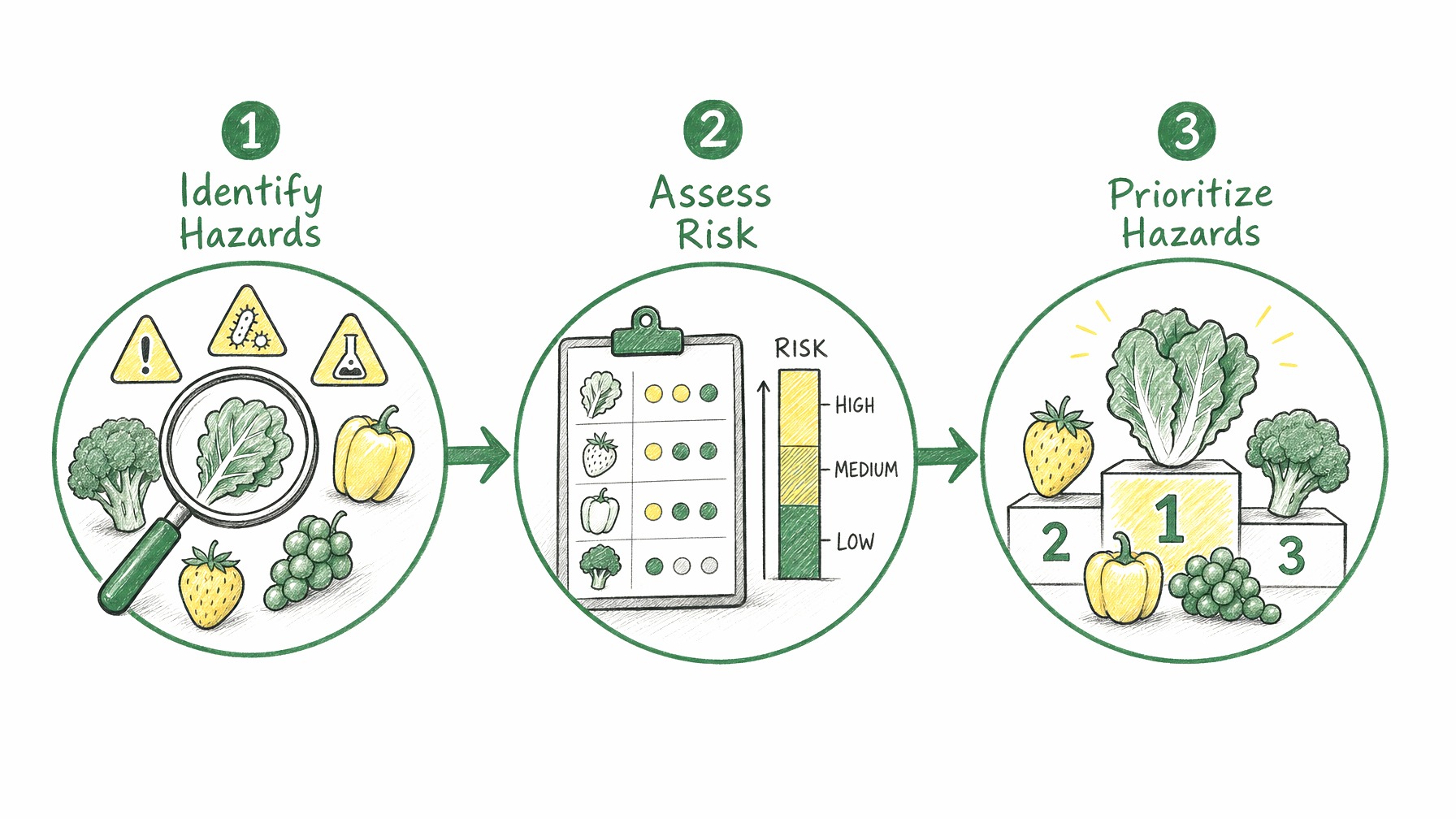
The first step in implementing HACCP is to conduct a thorough hazard analysis.
This involves identifying potential biological, chemical, and physical hazards that could affect the safety of produce.
Consider every stage of the supply chain, from growing and harvesting to processing and distribution.
Mapping out these stages helps pinpoint where hazards might occur.
Each type of produce may present unique risks, so tailor your analysis to your specific operations.
Involving cross-functional teams can provide a comprehensive perspective.
- Assess the likelihood of hazards occurring
- Determine the severity of potential hazards
- Prioritize hazards based on risk levels
Once hazards are identified, develop strategies to manage them.
This foundational step is crucial for establishing the rest of your HACCP plan.
2. Determine Critical Control Points (CCPs)
After analyzing hazards, the next step is to determine your Critical Control Points (CCPs).
These are points in the process where control is essential to prevent or reduce safety risks.
Identifying CCPs requires a detailed understanding of your operation’s workflow.
CCPs are often found at stages like washing, cutting, or packaging.
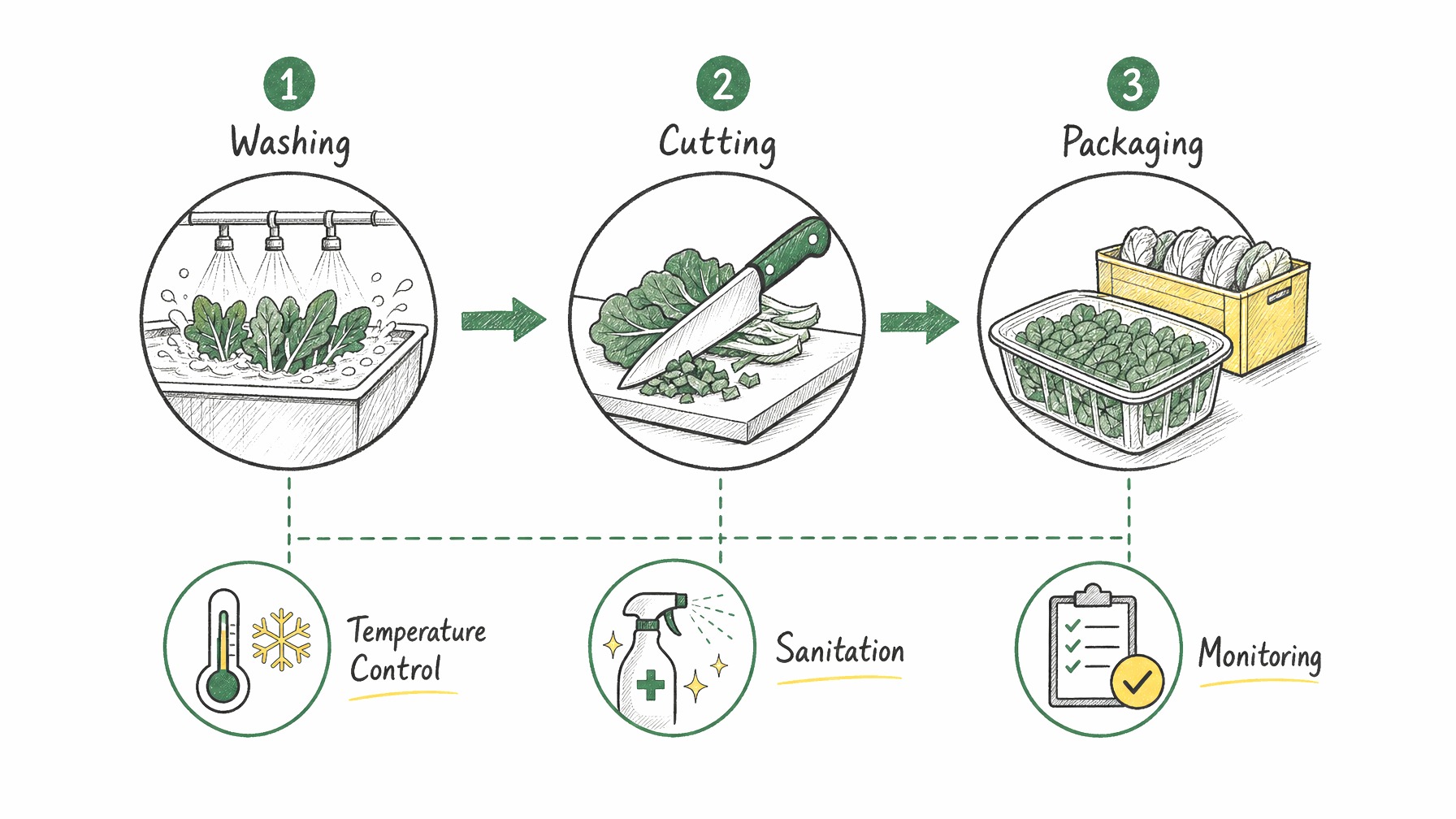
Each CCP should have defined limits and monitoring procedures to ensure control measures are effective.
Establishing clear CCPs is a cornerstone of a successful HACCP plan.
- Identify stages where hazards can be controlled
- Set critical limits for each CCP
- Develop monitoring procedures for CCPs
Document each CCP, including the rationale for its selection and the procedures for monitoring and correcting deviations.
3. Establish Critical Limits
Critical limits are the minimum and maximum values that ensure a CCP effectively controls a hazard.
They are quantifiable and must be based on scientific evidence or regulatory standards.
Establishing these limits requires industry knowledge and expertise.
For example, a critical limit for temperature control at a refrigeration stage might be set to ensure produce remains within a safe range.
These limits act as a benchmark for safety.
- Use industry guidelines and scientific data
- Ensure limits are measurable and enforceable
- Regularly review and update limits
Establishing critical limits is essential for maintaining the integrity of your HACCP plan and for meeting food safety standards.
4. Implement Monitoring Procedures
Monitoring procedures are necessary to ensure each CCP stays within its critical limits.
These procedures must be clearly defined and consistently followed to identify any deviations promptly.
Effective monitoring maintains the reliability of your HACCP plan.
Assign trained personnel to monitor CCPs and document their findings.
This data is crucial for verifying compliance and identifying trends or issues that need addressing.
- Define responsibilities for monitoring
- Use reliable measurement tools
- Ensure timely and accurate record-keeping
Regular audits of monitoring procedures help maintain their effectiveness and adapt them as needed.
5. Establish Corrective Actions
When monitoring indicates a deviation from critical limits, corrective actions must be taken immediately.
These actions should be pre-determined and documented to ensure swift and effective responses.
Corrective actions might include discarding affected produce, adjusting processes, or retraining staff.
The goal is to prevent compromised produce from reaching consumers.
- Define specific actions for each CCP
- Ensure corrective actions are timely
- Document and review corrective actions
Regularly evaluating your corrective actions ensures they remain relevant and effective in mitigating risks.
6. Verify and Validate the HACCP System
Verification and validation are crucial to confirm that the HACCP system works as intended.
Verification involves activities such as reviewing records, conducting audits, and testing products to ensure compliance.
Validation involves obtaining evidence that the control measures are effective in controlling hazards.
This might include scientific studies or data analysis.
Continuous improvement is key to maintaining a robust HACCP system.
- Conduct regular audits and reviews
- Utilize third-party verification when necessary
- Incorporate feedback for system improvements
Both verification and validation are ongoing processes that help ensure your HACCP system remains effective and up-to-date.
The Bottom Line
Implementing HACCP in produce operations is essential for ensuring food safety and quality.
By following these six key practices, businesses can protect their supply chain and meet industry standards.
A well-structured HACCP system reduces risks and enhances consumer confidence.
It is a strategic investment in your operation’s success.
Continual review and improvement of HACCP practices will help maintain a competitive edge in the produce industry.