In the ever-evolving landscape of the fresh produce industry, optimizing logistics is crucial.
Efficient logistics are not just about moving produce from point A to point B.
They involve strategic planning, maintaining quality, and ensuring timely delivery.
As the industry faces increasing demands from consumers and retailers, refining logistics strategies is more important than ever.
Fresh produce logistics require a delicate balance of speed and care.
The nature of perishable goods means there is little room for error.
A well-optimized logistics system can be a competitive advantage in the marketplace.
It not only reduces waste but also enhances customer satisfaction and loyalty.
To remain competitive, produce executives and logistics managers must continuously seek ways to improve.
The following best practices offer actionable insights for enhancing fresh produce logistics.
These strategies are designed to help you maximize efficiency, reduce costs, and maintain the highest quality standards.
1. Leverage Technology for Real-Time Tracking
Real-time tracking technology has transformed how fresh produce is monitored throughout the supply chain.
Implementing a robust tracking system provides visibility at every stage of the journey.
This technology helps in identifying bottlenecks and ensuring timely interventions.
GPS and IoT devices enable precise monitoring of shipments.
These technologies can alert managers to potential delays or issues with temperature control.
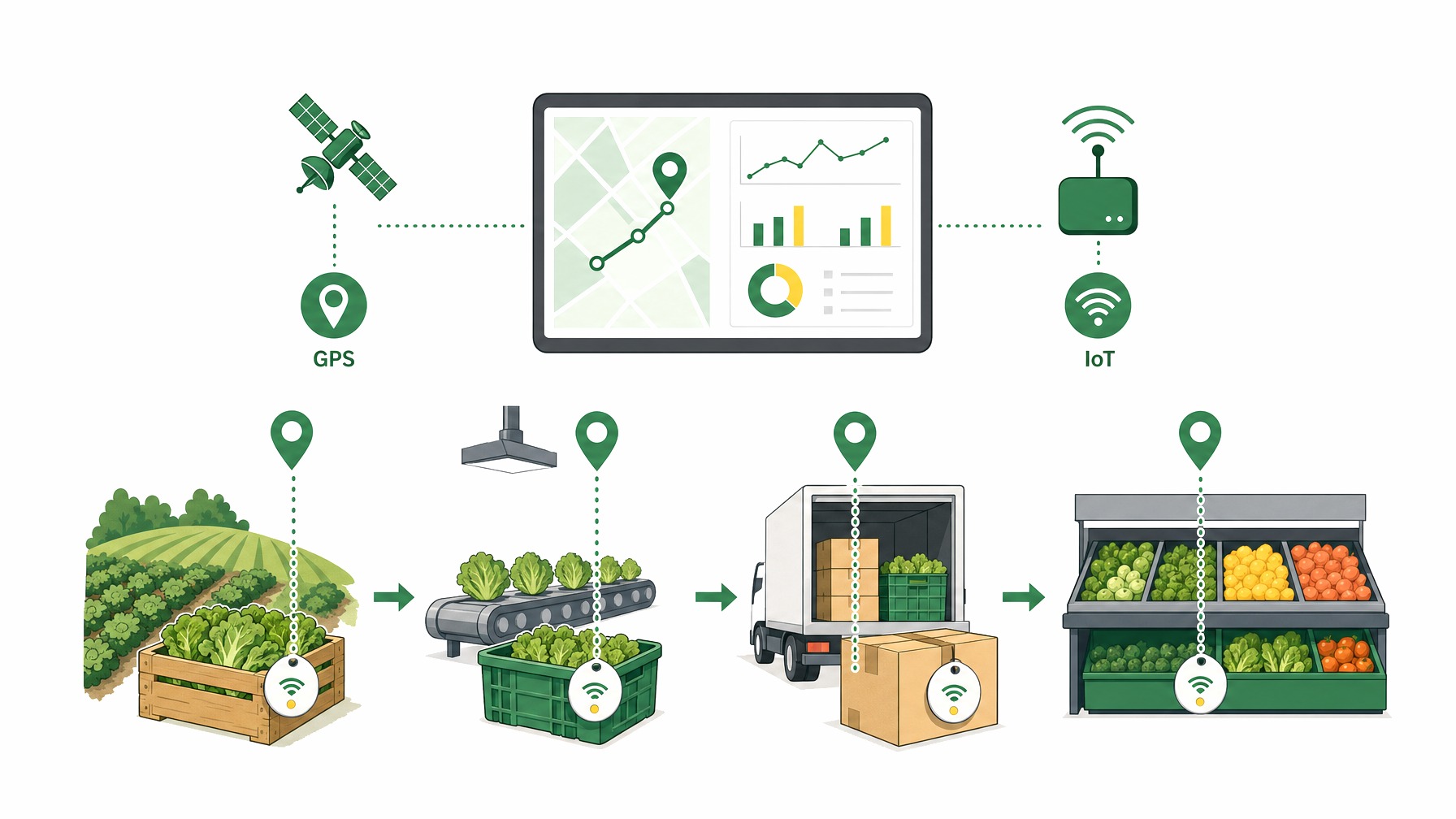
Immediate action can then be taken to preserve the quality of the produce.
By using real-time data, logistics teams can make informed decisions.
This data-driven approach minimizes risks and enhances the overall efficiency of the supply chain.
- Enhanced visibility
- Proactive issue resolution
- Improved customer satisfaction
2. Optimize Cold Chain Management
Effective cold chain management is essential for maintaining the quality of fresh produce.
Temperature fluctuations can significantly impact the shelf life and quality of perishable goods.
Implementing strict cold chain protocols ensures that produce remains fresh from farm to table.
Regular audits and maintenance of refrigeration systems are crucial.
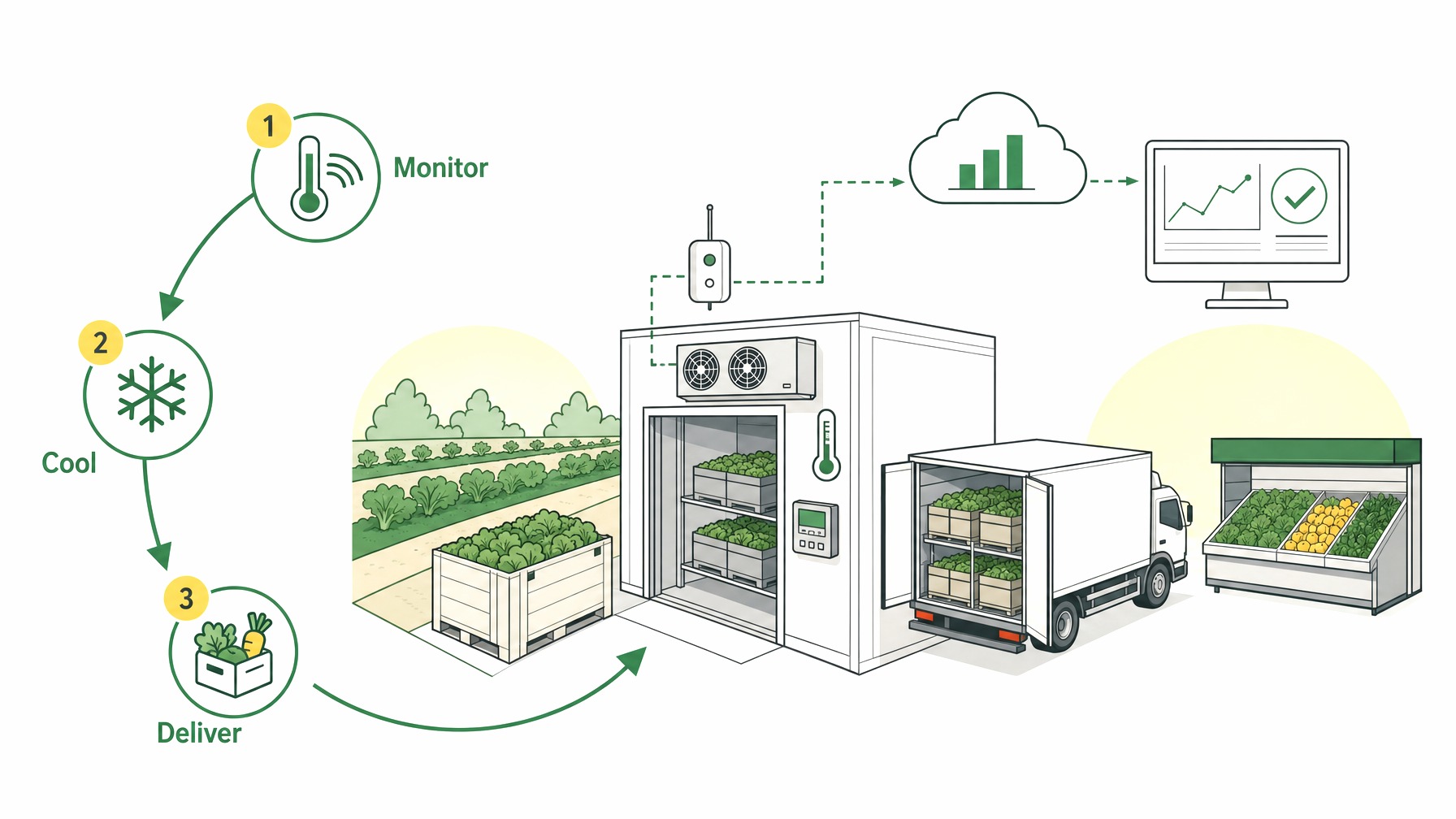
This practice helps in preventing unexpected breakdowns that could compromise the produce.
Advanced technologies like RFID and temperature sensors play a key role.
They provide real-time data on temperature conditions, allowing for immediate adjustments if needed.
- Consistent temperature monitoring
- Preventive maintenance
- Real-time adjustments
3. Streamline Warehousing Operations
Efficient warehousing is vital for optimizing fresh produce logistics.
By organizing storage areas and implementing advanced inventory systems, waste can be minimized.
This also reduces the time produce spends in storage, preserving its freshness.
Utilizing a first-in, first-out (FIFO) system ensures that older stock is shipped out first.
This practice helps in reducing spoilage and maintaining quality.
Automated systems can track inventory levels and provide alerts when restocking is needed.
This ensures that stock levels are always optimal.
- Efficient inventory management
- Reduced spoilage
- Optimal stock levels
4. Implement Sustainable Practices
Sustainability is becoming a key concern in fresh produce logistics.
Implementing eco-friendly practices not only benefits the environment but also appeals to conscious consumers.
Sustainable logistics can include optimizing transportation routes to reduce emissions.
Consider using electric or hybrid vehicles for transportation.
This can significantly reduce the carbon footprint of your logistics operations.
Partnering with suppliers who prioritize sustainability can further enhance your green credentials.
This collaboration can lead to innovative solutions that improve both efficiency and environmental impact.
- Eco-friendly transportation options
- Collaborative partnerships
- Reduced carbon footprint
5. Enhance Supplier Relationships
Strong relationships with suppliers are crucial for optimizing logistics.
Open communication and collaboration with suppliers can lead to more reliable delivery schedules and better quality control.
Regular meetings and feedback sessions can help in addressing any issues promptly.
This proactive approach fosters trust and leads to more efficient operations.
By working closely with suppliers, logistics managers can better align schedules and expectations.
This alignment reduces delays and improves the overall supply chain efficiency.
- Improved communication
- Aligned schedules
- Enhanced trust
6. Train Staff on Best Practices
A well-trained workforce is essential for effective logistics operations.
Training staff on best practices ensures that everyone is aligned with the organization’s logistics goals.
This includes understanding the importance of quality control, timely deliveries, and efficient handling of produce.
Regular training sessions and workshops can keep staff updated on the latest technologies and methods.
This knowledge empowers them to make informed decisions in their daily tasks.
Investing in staff development not only boosts morale but also enhances productivity.
A skilled workforce is a cornerstone of successful logistics management.
- Regular training sessions
- Updated knowledge
- Empowered decision-making
7. Monitor and Analyze Performance Metrics
Monitoring performance metrics is crucial for continuous improvement in logistics operations.
Key performance indicators (KPIs) such as delivery times, spoilage rates, and cost efficiency should be regularly analyzed.
Using data analytics tools can provide valuable insights into where improvements are needed.
This analysis helps in identifying trends and making data-driven decisions.
Regularly reviewing these metrics ensures that logistics strategies remain effective and aligned with business goals.
Continuous monitoring leads to ongoing improvements and a more resilient supply chain.
- Regular KPI analysis
- Data-driven decisions
- Ongoing improvements
The Bottom Line
Optimizing fresh produce logistics is a multifaceted challenge that requires strategic planning and execution.
By leveraging technology, implementing sustainable practices, and fostering strong supplier relationships, produce professionals can enhance their logistics operations.
Continuous training and performance monitoring are essential for maintaining high standards and efficiency.
These best practices ensure that fresh produce reaches consumers in the best possible condition.
Staying proactive and adaptable in logistics strategies will lead to success in the competitive fresh produce market.