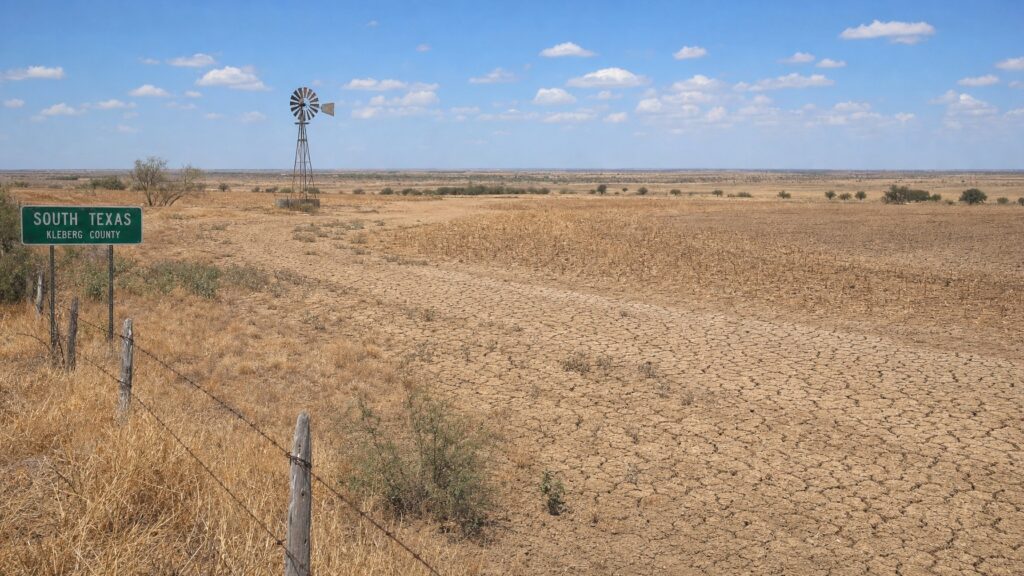
The drought in South Texas is more than a weather anomaly; it is a crisis that threatens the very foundation of the fresh produce industry in the region.
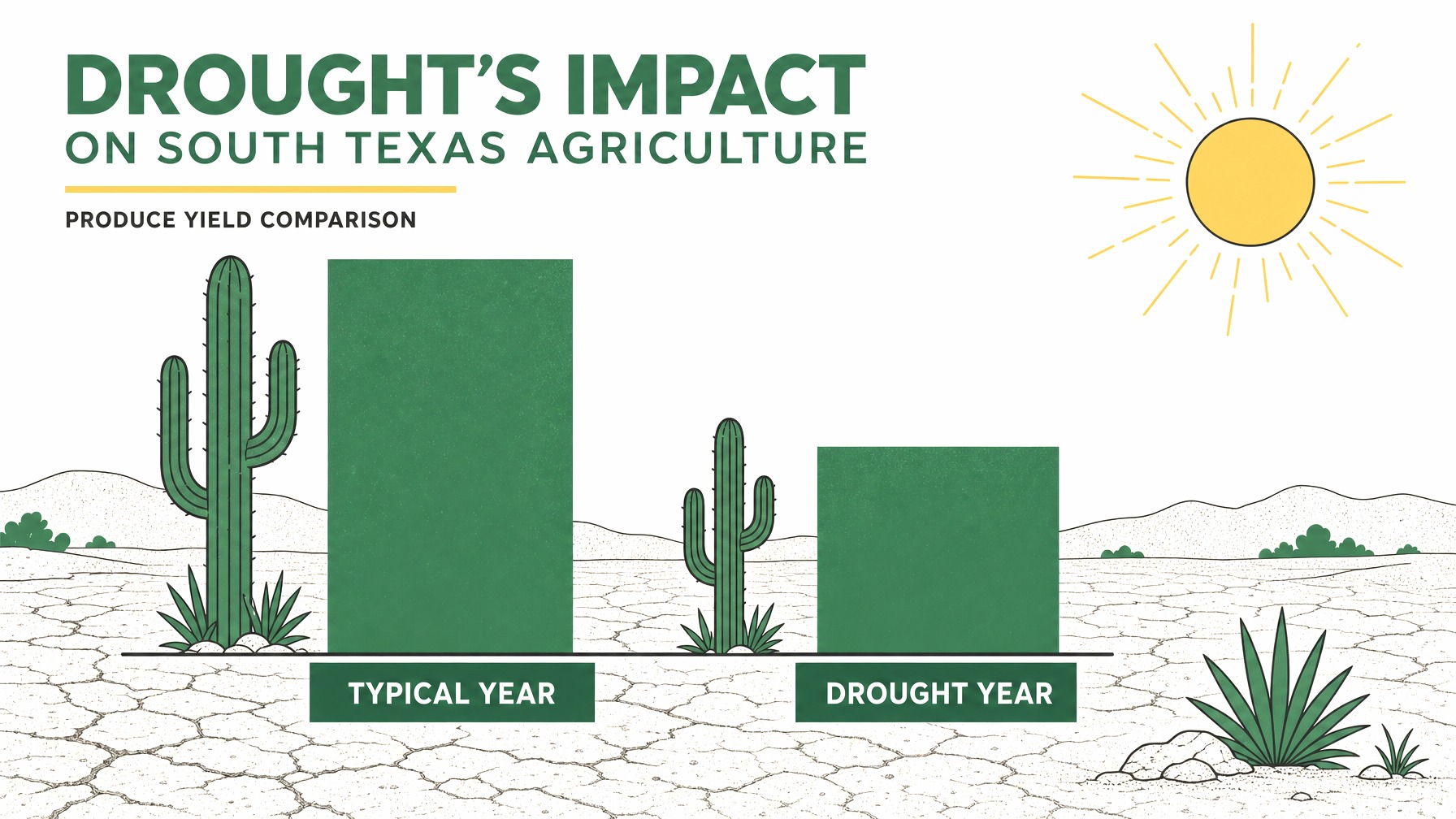
Producers in the Rio Grande Valley, who typically cultivate up to 80 million acres of fresh produce annually, are grappling with water shortages that have drastically reduced their yields.
As a result, the supply of fresh produce is dwindling, leading to a surge in prices that is affecting consumer behavior across the United States.
According to Circana, consumers are becoming increasingly selective in their produce purchases due to these rising costs, a trend that underscores the urgent need for industry leaders to address these supply chain disruptions.
In Arizona, the impact of higher prices is already visible, with consumers cutting back on fresh produce spending as inflation continues to hit grocery aisles.
Drought is Eroding South Texas Agricultural Output
South Texas is facing one of its most severe droughts in recent memory, and the consequences are catastrophic for local agriculture.
The Rio Grande Valley, a major hub for fresh produce, has seen its agricultural output decline sharply as the drought persists.
This region’s typical yield of up to 80 million acres has been significantly reduced, compromising the supply of fresh fruits and vegetables nationwide.
Water scarcity is forcing farmers to make difficult decisions about which crops to prioritize, often leaving fields fallow when water is not available.
These choices are not just about immediate survival; they reflect long-term strategic shifts that could permanently alter the agricultural landscape of South Texas.
Three critical factors are exacerbating the situation:
- Decreased rainfall: Historic lows in precipitation limit natural water sources
- Water management policies: Allocation decisions are not favoring agriculture
- Infrastructure challenges: Aging systems fail to conserve and distribute water efficiently
Together, these factors are eroding the viability of farming in the region, threatening food security and economic stability.
Moreover, the inability to properly irrigate crops leads to a reduced quality of the produce that does make it to market, affecting prices and consumer satisfaction.
Consumers’ Purchasing Patterns Shift Amid Rising Prices
As the drought cripples supply, consumers across the United States are feeling the pinch of rising produce prices.
Market research from Circana highlights a trend where shoppers are becoming more discerning about their purchases, prioritizing value over variety.
This shift is particularly evident in states like Arizona, where residents are scaling back on fresh produce due to inflationary pressures.
For many consumers, the cost of fresh fruits and vegetables is becoming prohibitive, leading to a decline in overall produce consumption.
Such changes in purchasing behavior have a ripple effect throughout the supply chain, impacting everyone from farmers to retailers.
Retailers are responding by adjusting their pricing strategies and seeking alternative sources to keep shelves stocked, though these efforts may only provide temporary relief.
Several strategies are emerging from this shift:
- Discounted bulk purchases: Retailers encourage buying in larger quantities
- Promotion of frozen options: Consumers are steered towards less expensive alternatives
- Increased local sourcing: Reducing transport costs and ensuring freshness
While these measures attempt to mitigate the impact, they are not a substitute for the robust supply chain needed to meet consumer demand sustainably.
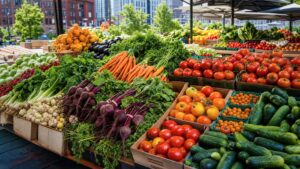
Additionally, some consumers are opting for farmers’ markets where prices can be more stable and the produce often fresher.
Economic Pressures Mount on Farmers and Retailers
The economic strain from drought-induced supply shortages is being felt acutely by both farmers and retailers.
Farmers are facing increased costs as they invest in irrigation infrastructure to combat water shortages, significantly raising the cost of production.
For retailers, the challenge lies in balancing higher supplier costs with consumer price sensitivity, a task that has become increasingly difficult as inflation persists.
Many agricultural businesses in South Texas are struggling to remain viable, with some smaller operations contemplating closures or mergers to survive.
The financial burden is not just a short-term challenge; it is reshaping the competitive landscape of the produce industry.
Some farms are turning to innovative solutions, such as:
- Advanced irrigation technology: Improves water use efficiency
- Crop diversification: Reduces risk by not relying on a single commodity
- Alternative revenue streams: Direct-to-consumer sales and agritourism
These adaptations highlight the resilience of the sector but also underscore the need for strategic support and investment to ensure long-term sustainability.
However, without external support, such as government subsidies or incentives, these innovations may not be enough to sustain the industry.
Supply Chain Disruptions Demand Immediate Solutions
The disruptions caused by the drought in South Texas are a wake-up call for the entire produce supply chain.
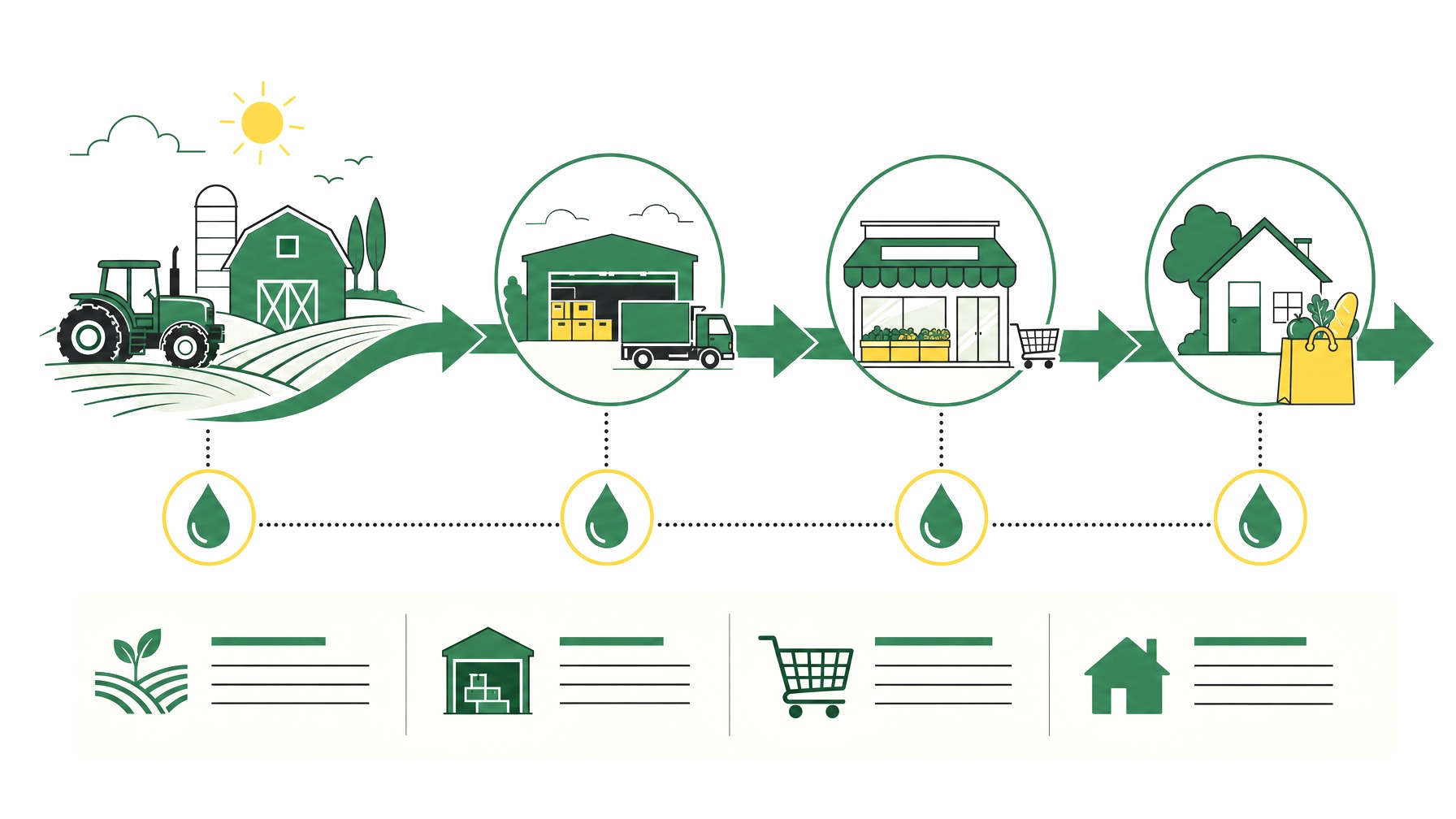
From farm to table, each link in the chain is under unprecedented pressure, and proactive measures are necessary to stabilize the system.
Industry leaders must prioritize investment in water-saving technologies and infrastructure improvements to enhance resilience against future droughts.
Collaboration across sectors, including public-private partnerships, will be essential to address these systemic challenges effectively.
Strategic initiatives such as:
- Government subsidies for water conservation: Encourages adoption of sustainable practices
- Research and development funding: Supports innovation in drought-resistant crops
- Cross-border cooperation: Shares resources and best practices between neighboring regions
These efforts can help mitigate the current crisis and lay the groundwork for a more robust and adaptable agricultural economy.
Furthermore, engaging consumers in sustainability practices through education can help drive demand for more sustainable produce options.
Technological Innovations Can Alleviate Water Scarcity
Innovation in agricultural technology represents a beacon of hope for addressing the water scarcity exacerbated by the South Texas drought.
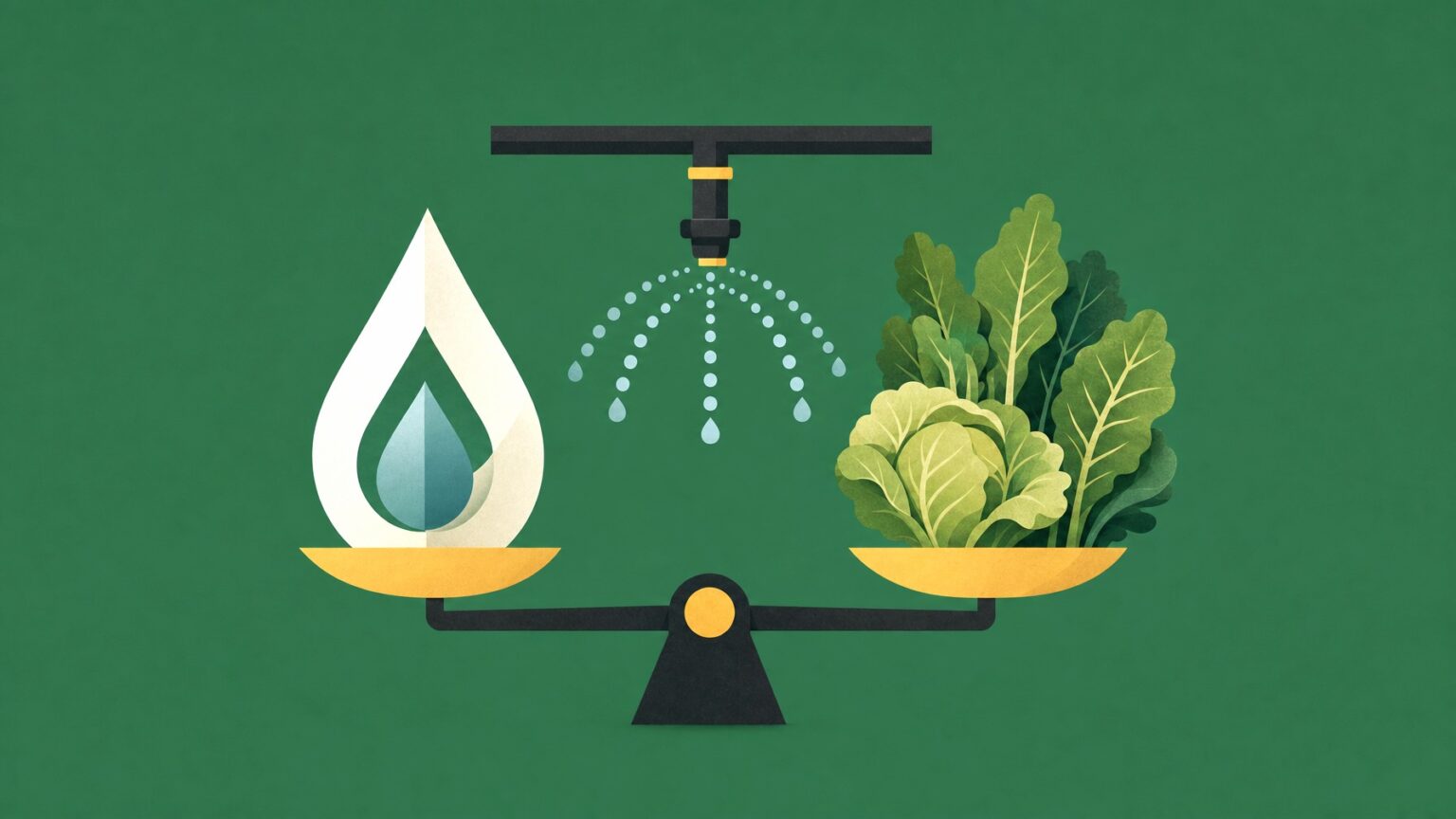
Advanced irrigation systems, such as drip irrigation and soil moisture sensors, offer farmers tools to optimize water use efficiently.
These technologies can significantly reduce water waste by delivering water directly to plant roots, minimizing evaporation.
Precision agriculture, which uses data and analytics, enables farmers to make informed decisions about crop management.
Three technological innovations that are transforming water use include:
- Soil moisture sensors: Ensure plants receive precise water amounts needed
- Smart irrigation systems: Automate irrigation based on weather predictions and soil conditions
- Remote monitoring drones: Provide real-time data on crop health and soil moisture levels
Implementing these technologies requires investment, but the potential savings in water and increased crop yields could offset initial costs.
Moreover, these innovations can enhance crop resilience to climate variability, ensuring sustainable agricultural practices in the long run.
Community-Level Initiatives are Essential for Resilience
Community engagement is critical in building resilience against the drought’s impacts on agriculture.
Local cooperatives and farmer alliances play a vital role in sharing resources and knowledge, which can enhance collective response strategies.
These community-based efforts can lead to more effective water management and distribution practices tailored to local needs.
By pooling resources, communities can invest in shared infrastructure, such as water reservoirs or collective irrigation systems, which individual farmers might find cost-prohibitive.
In addition, community-driven initiatives foster a sense of solidarity and shared responsibility, empowering farmers to advocate for policy changes that reflect their needs.
Three community-based strategies proving effective include:
- Shared water resources: Community reservoirs reduce dependency on inconsistent water supplies
- Collaborative learning: Workshops and training sessions disseminate best practices
- Policy advocacy: United voices push for legislative changes that support agricultural interests
These initiatives not only enhance the immediate resilience of agricultural communities but also contribute to long-term sustainability and economic stability.
Government Inaction Risks Worsening the Crisis
The lack of decisive governmental action threatens to exacerbate the ongoing agricultural crisis in South Texas.
Without immediate policy interventions, the drought’s impact could lead to more severe economic and social consequences.
Current water management policies are insufficient, failing to prioritize agricultural needs adequately.
Government initiatives should focus on revising water allocation policies to ensure equitable distribution across sectors.
Three policy areas requiring urgent attention include:
- Water rights reforms: Establish fair distribution priorities between agriculture and urban areas
- Incentives for sustainable practices: Encourage farmers to adopt water-saving technologies
- Infrastructure investment: Modernize water delivery systems to reduce losses
Failure to address these issues could undermine the agricultural sector’s viability, leading to long-term food security challenges.
By taking proactive steps now, policymakers can help stabilize the agriculture industry and support its recovery and future growth.
South Texas Drought is a Call to Action for Industry Leaders
The severe drought conditions in South Texas serve as a stark reminder of the vulnerabilities inherent in our agricultural systems.
Immediate action is required to address the supply chain weaknesses exposed by this crisis.
Industry leaders must step up with innovative solutions and strategic investments to safeguard food security and ensure the sustainability of the produce sector.
Without decisive intervention, the economic and social impact of these disruptions will continue to escalate, affecting not just South Texas but the broader United States supply chain.
Now is the time to act decisively, leveraging this moment of crisis to drive long-term change and resilience in the agricultural sector.