The fresh produce industry is experiencing a transformative shift as it responds to the increasing demand for sustainability and convenience.
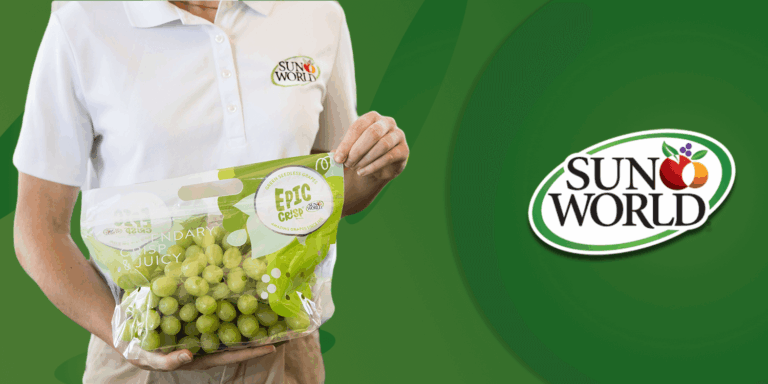
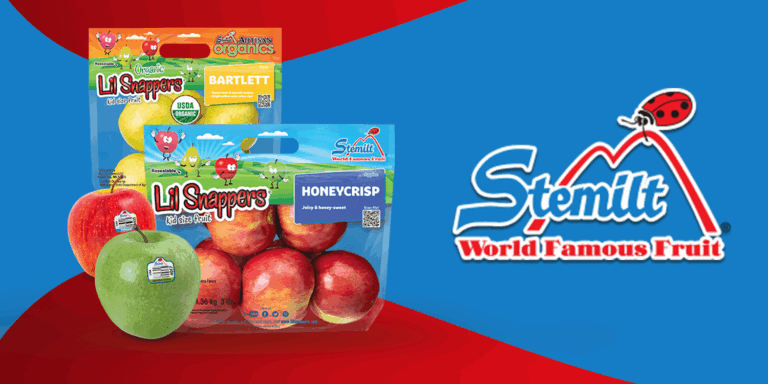
Innovations in packaging are at the forefront of this evolution, with companies developing new materials and designs that aim to reduce environmental impact while maintaining the integrity and freshness of produce.
These advancements are not only driven by consumer preferences but also by regulatory pressures and the need for better supply chain efficiency.
As a result, the industry is witnessing a surge in biodegradable and recyclable packaging options that promise to meet both ecological and economic goals.
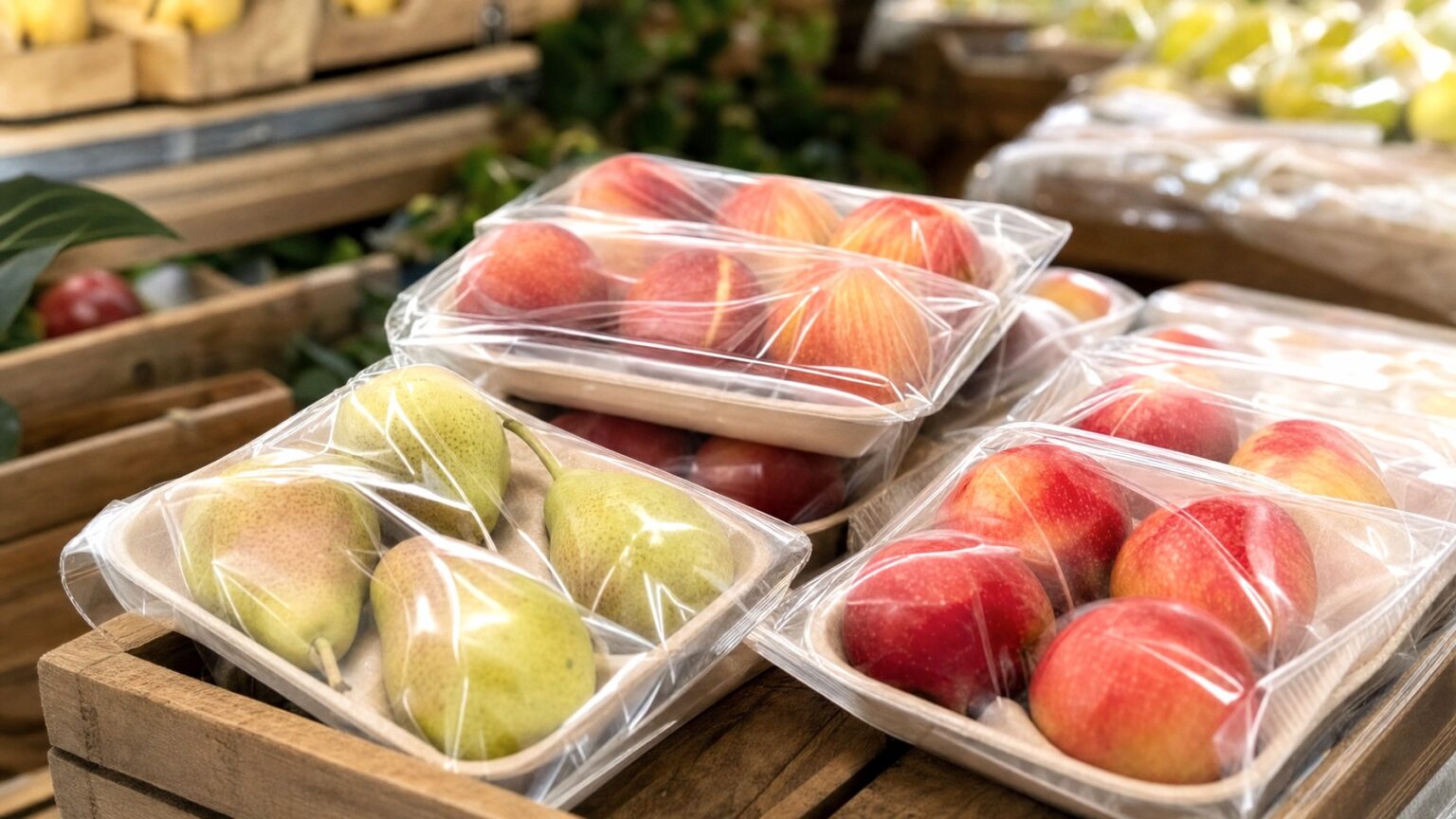
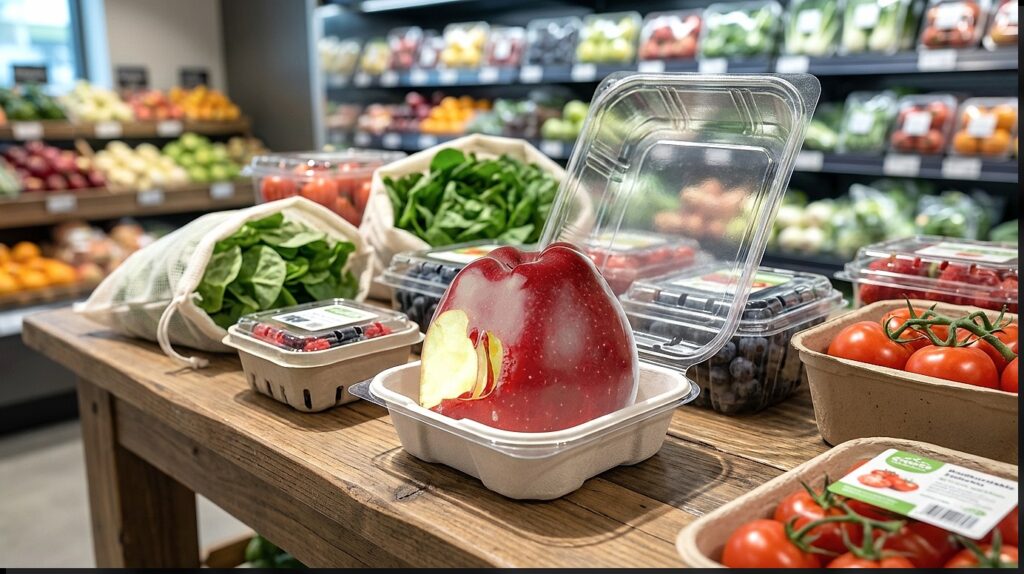
One of the most significant trends in fresh produce packaging is the shift towards compostable materials.
- Fresh produce packaging innovations focus on sustainability and convenience.
- Biodegradable and recyclable materials are increasingly being adopted.
- Compostable packaging reduces landfill waste and enhances sustainability credentials.
- Minimalist designs lower production costs and waste generation.
- Integration of smart technologies improves freshness and reduces spoilage.
These materials are designed to break down naturally in the environment, reducing the amount of waste that ends up in landfills.
Retailers and producers are increasingly adopting these materials as a way to enhance their sustainability credentials and appeal to eco-conscious consumers.
Moreover, the use of minimalist designs and reduced packaging not only cuts down on waste but also lowers production costs, offering a dual benefit to companies.
Another noteworthy development is the integration of smart technologies into packaging solutions.
This includes the use of QR codes and RFID tags that provide consumers with detailed information about the product’s origin, nutritional content, and freshness.
Such technologies not only enhance transparency but also build trust between consumers and brands.
In addition, these innovations facilitate better inventory management and reduce spoilage by allowing for more precise tracking of produce throughout the supply chain.
The drive for innovative packaging solutions is also fueled by the need to extend shelf life and reduce food waste.
Advanced materials that include antimicrobial properties and controlled atmosphere packaging are being developed to keep produce fresher for longer periods.
This not only benefits consumers by providing them with higher quality products but also supports retailers in minimizing losses due to spoilage.
As the industry continues to evolve, the focus remains on balancing the need for environmental responsibility with the practical demands of preserving the quality and safety of fresh produce.