The produce supply chain is undergoing a significant transformation, driven by the adoption of cutting-edge technologies.
From farm to table, these advancements are enhancing efficiency, transparency, and sustainability.
For produce industry leaders, understanding and leveraging these technologies is crucial to staying competitive.
Technological innovations are not just buzzwords; they are practical solutions to real-world challenges.
As the demand for fresh produce increases, so does the need for a more robust and agile supply chain.
These technologies are helping address issues such as food waste, labor shortages, and traceability concerns.
By integrating these technologies, produce businesses can streamline operations and ensure better product quality.
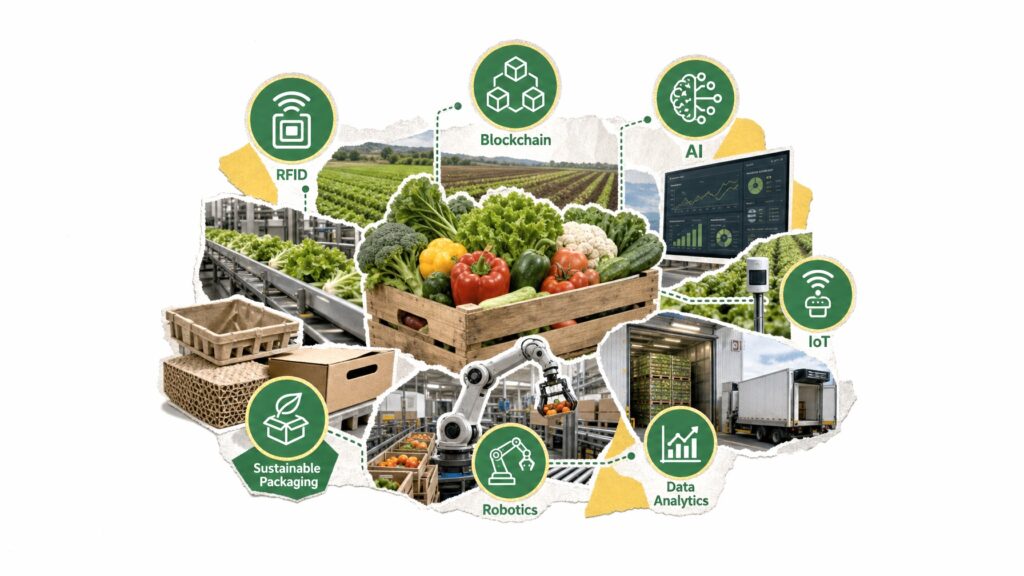
This article delves into seven key technologies transforming the produce supply chain, providing insights into their applications and benefits.
1. RFID Technology
Radio-Frequency Identification (RFID) technology is revolutionizing inventory management and tracking within the produce supply chain.
By embedding RFID tags in packaging, companies can automate the tracking of produce from farm to store.
RFID provides real-time data, reducing the need for manual checks and minimizing human error.
This technology ensures that produce is handled correctly at each stage, maintaining quality and freshness.
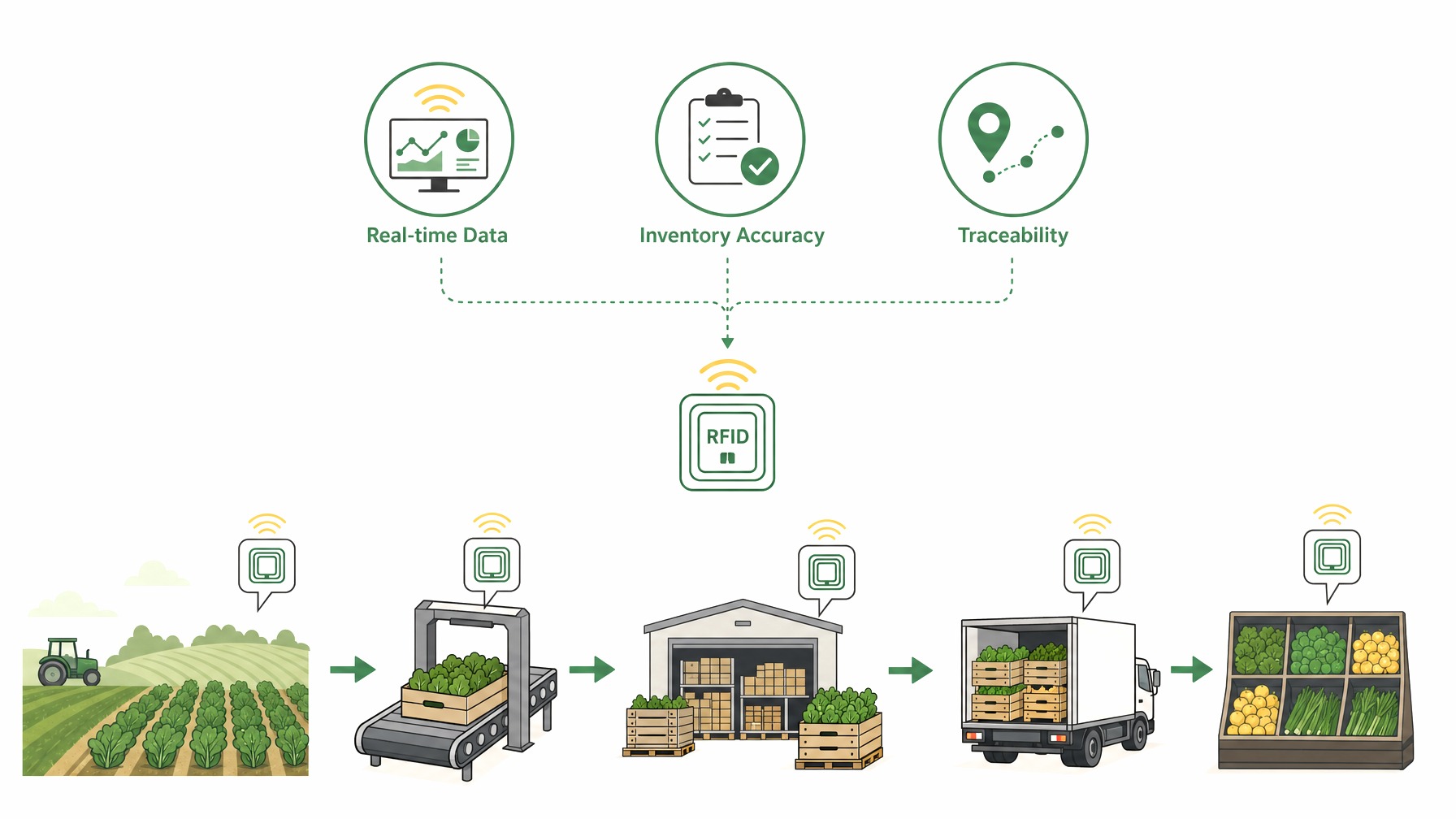
Integrating RFID technology offers several advantages:
- Enhanced inventory accuracy
- Reduced labor costs
- Improved traceability
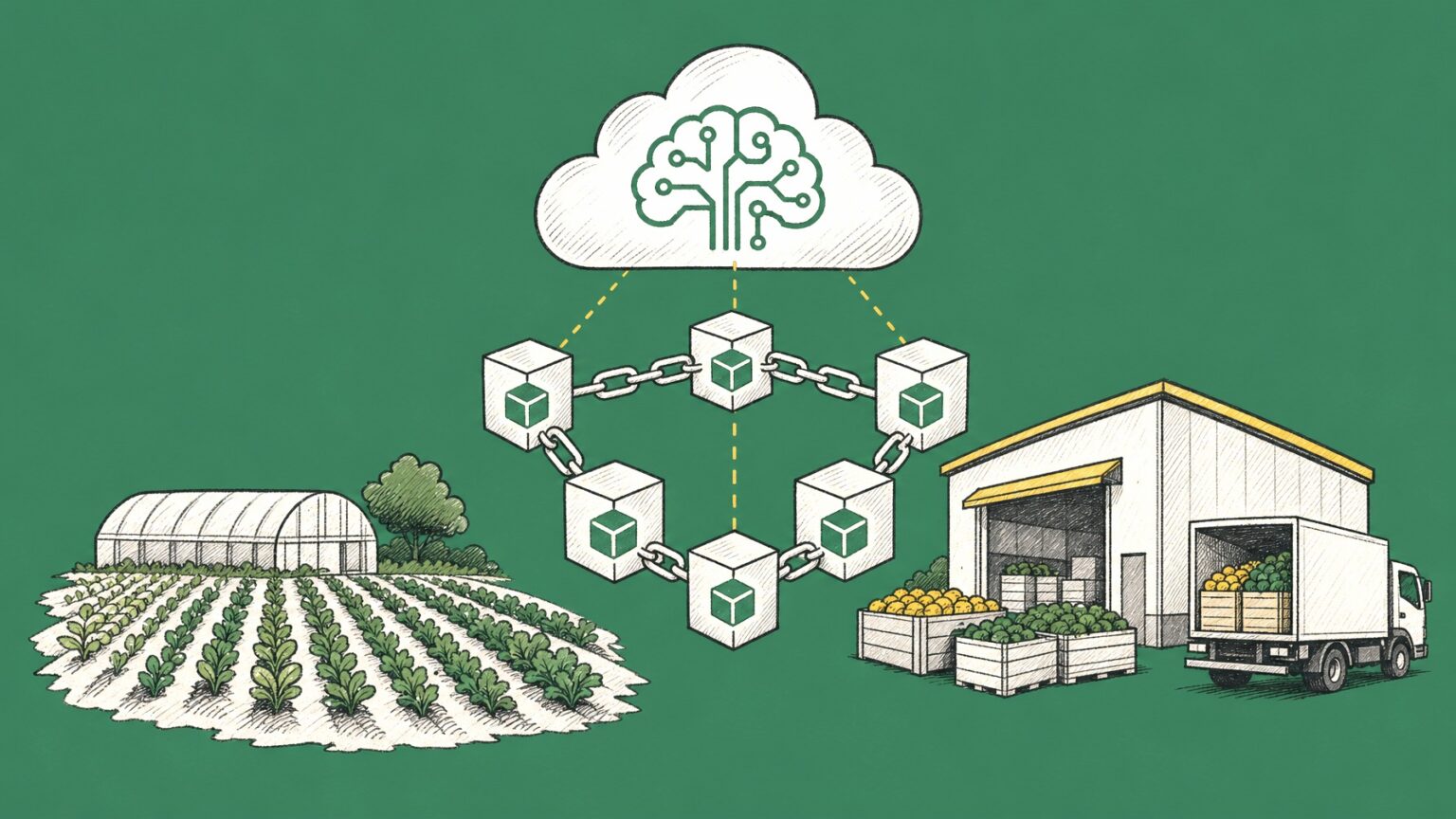
2. Blockchain for Traceability
Blockchain technology is gaining traction in the produce industry due to its ability to provide an immutable record of transactions.
This transparency is crucial for ensuring food safety and quality.
By using blockchain, produce companies can offer consumers detailed information about the origins of their food.
This builds trust and opens up new marketing opportunities focused on transparency and sustainability.
Blockchain helps in:
- Ensuring food safety
- Reducing fraud
- Improving supply chain transparency
3. Artificial Intelligence (AI) and Machine Learning
AI and machine learning technologies are enhancing decision-making processes across the produce supply chain.
These technologies can analyze vast amounts of data, providing insights that help optimize operations.
From predicting demand to identifying potential supply chain disruptions, AI is becoming an indispensable tool for produce companies.
Its ability to learn and adapt makes it ideal for improving efficiency and reducing waste.
AI applications in the produce industry include:
- Demand forecasting
- Supply chain optimization
- Quality control enhancements
4. Internet of Things (IoT) Devices
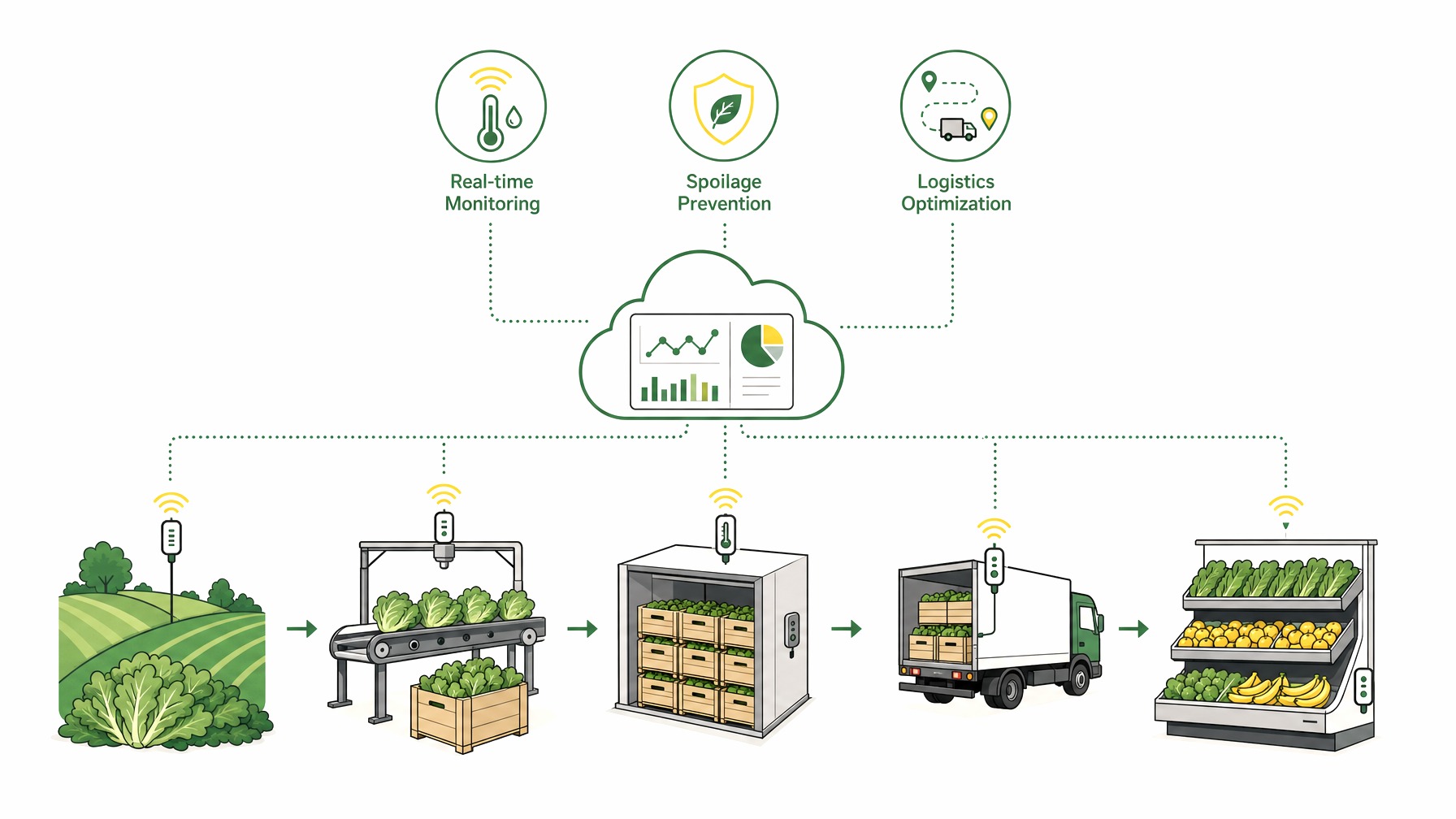
IoT devices are providing unprecedented insights into the produce supply chain.
Sensors and connected devices monitor conditions such as temperature and humidity, ensuring optimal storage and transport conditions.
By leveraging IoT, companies can prevent spoilage and extend the shelf life of produce.
This not only reduces waste but also maximizes profitability by ensuring that produce reaches consumers in peak condition.
Key benefits of IoT include:
- Real-time monitoring
- Preventing spoilage
- Optimizing logistics
5. Robotics and Automation
Robotics and automation are addressing labor shortages and enhancing efficiency in the produce supply chain.
Automated systems can handle tasks such as sorting and packing, reducing reliance on manual labor.
These technologies increase consistency and speed, leading to a more efficient supply chain.
Automation also allows for better quality control by minimizing human error in repetitive tasks.
Robotics and automation help by:
- Reducing labor costs
- Increasing operational efficiency
- Improving product quality
6. Data Analytics
Data analytics is transforming how produce companies make strategic decisions.
By analyzing data from various sources, companies can gain insights into consumer preferences and market trends.
These insights allow for more informed decision-making, from pricing strategies to marketing campaigns.
Data-driven approaches also help in optimizing supply chain operations and reducing waste.
Data analytics provides:
- Market trend insights
- Improved decision-making
- Supply chain optimization
7. Sustainable Packaging Innovations
Sustainable packaging is becoming a priority for the produce industry.
Innovations in packaging materials are reducing environmental impact while maintaining product freshness.
Biodegradable and compostable packaging solutions are gaining popularity, aligning with consumer demands for eco-friendly options.
These innovations also help in reducing the carbon footprint of the supply chain.
Sustainable packaging offers:
- Reduced environmental impact
- Maintained product freshness
- Improved brand image
The Bottom Line
Technological advancements are reshaping the produce supply chain, offering solutions to longstanding challenges.
By adopting these innovations, produce companies can enhance efficiency, transparency, and sustainability.
As the industry continues to evolve, staying informed about these technologies is crucial for maintaining a competitive edge.
Embracing technology will be key to thriving in the dynamic world of fresh produce.