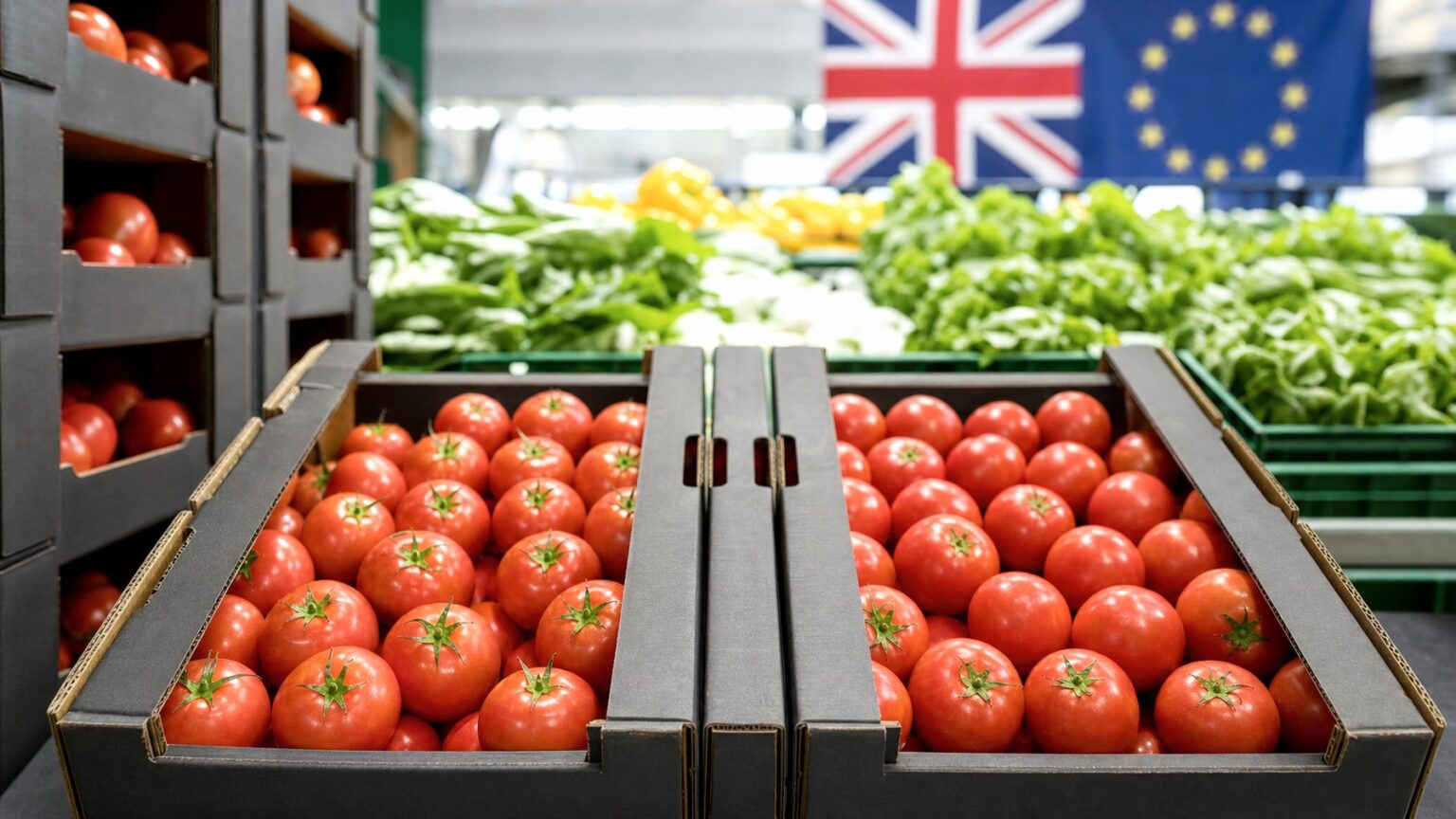
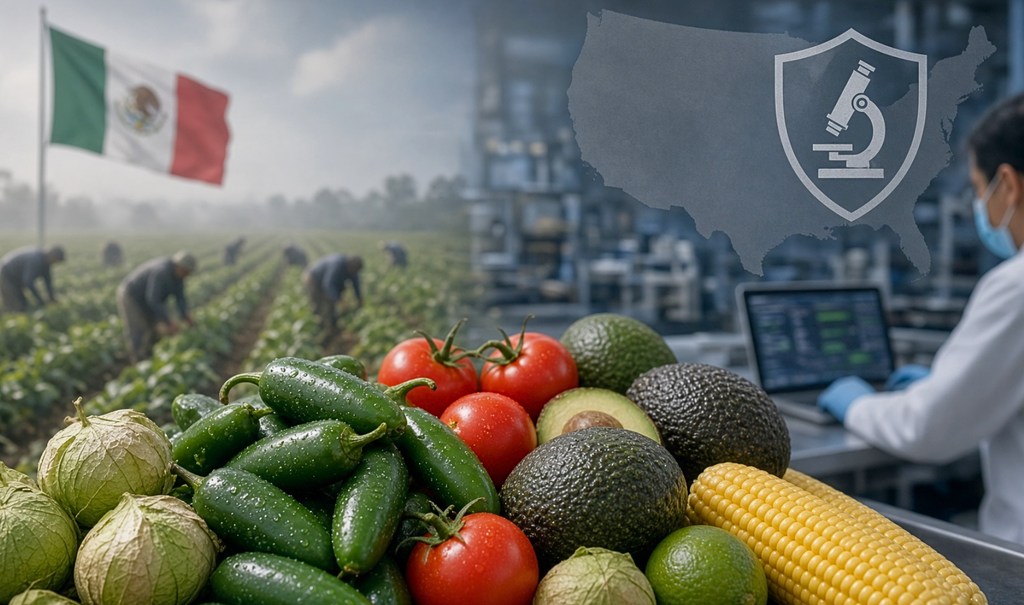
The fresh produce industry in the United States is increasingly reliant on Mexican imports, a dependence that raises significant food safety concerns.
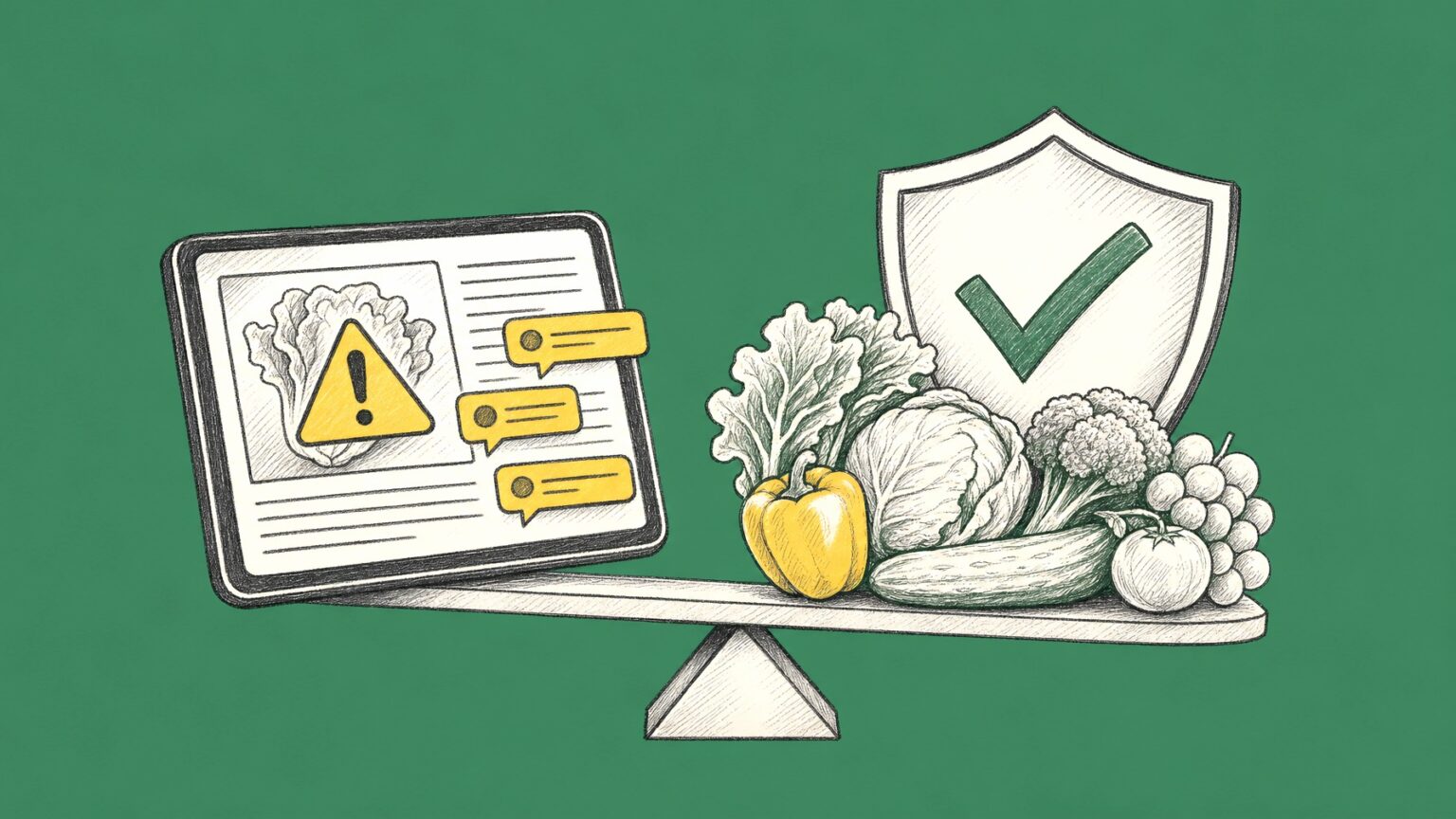
Recent outbreaks of foodborne illnesses, notably linked to Mexican iceberg lettuce, highlight vulnerabilities in the current system.
The Food and Drug Administration’s inspection of Taylor Farms’ Mexican operations uncovered serious safety issues, exacerbating fears about consumer health risks.
With US fresh fruit imports surging by 69% since 2010, while domestic production plummeted by 32%, the reliance on foreign produce has never been more pronounced.
This shift towards imports not only exposes American consumers to potential health hazards but also underscores weaknesses in regulatory oversight.
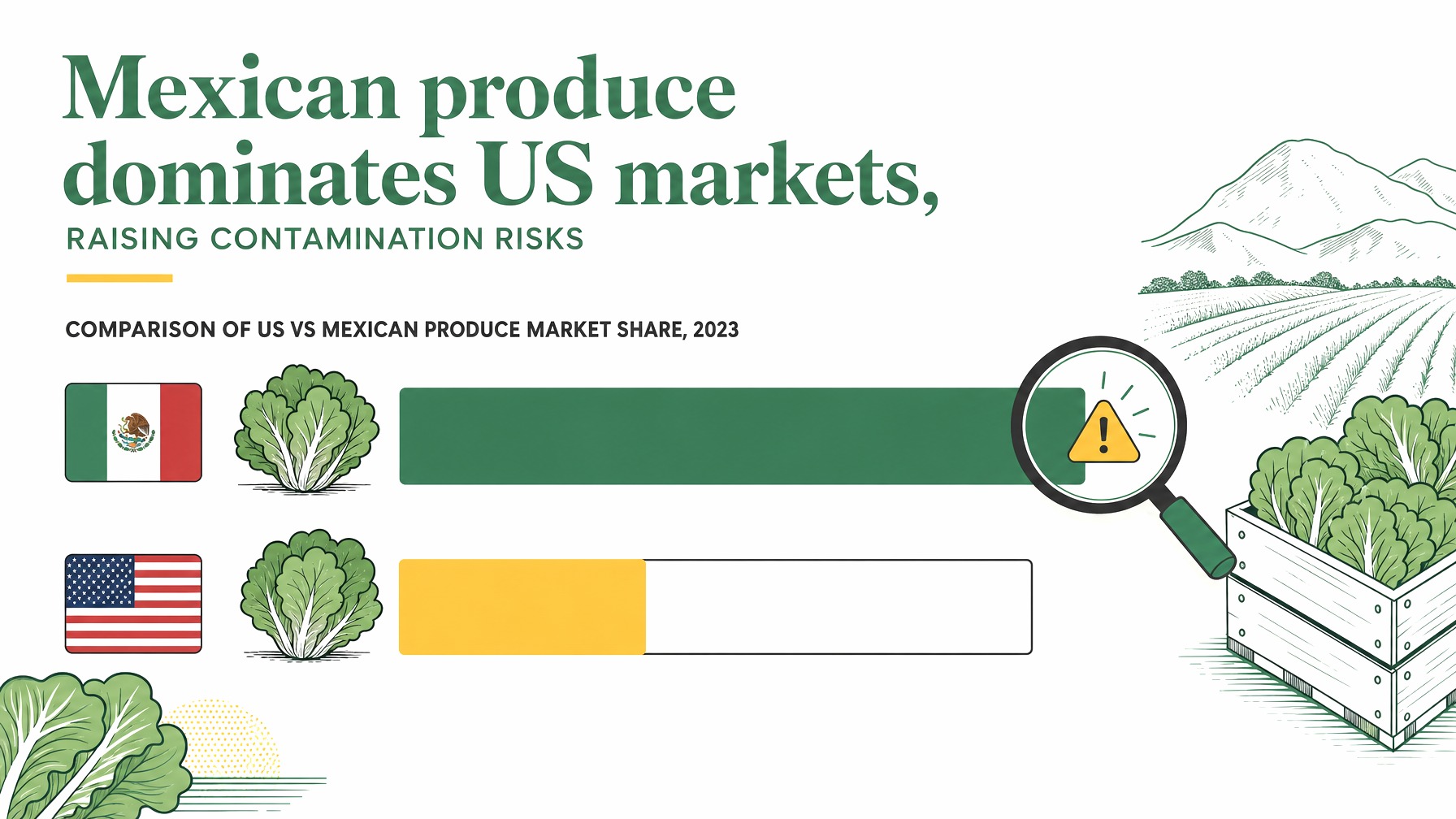
Mexican Produce Dominates US Markets, Raising Risks
The dominance of Mexican produce in US markets is a double-edged sword, providing affordability but at a potential cost to safety.
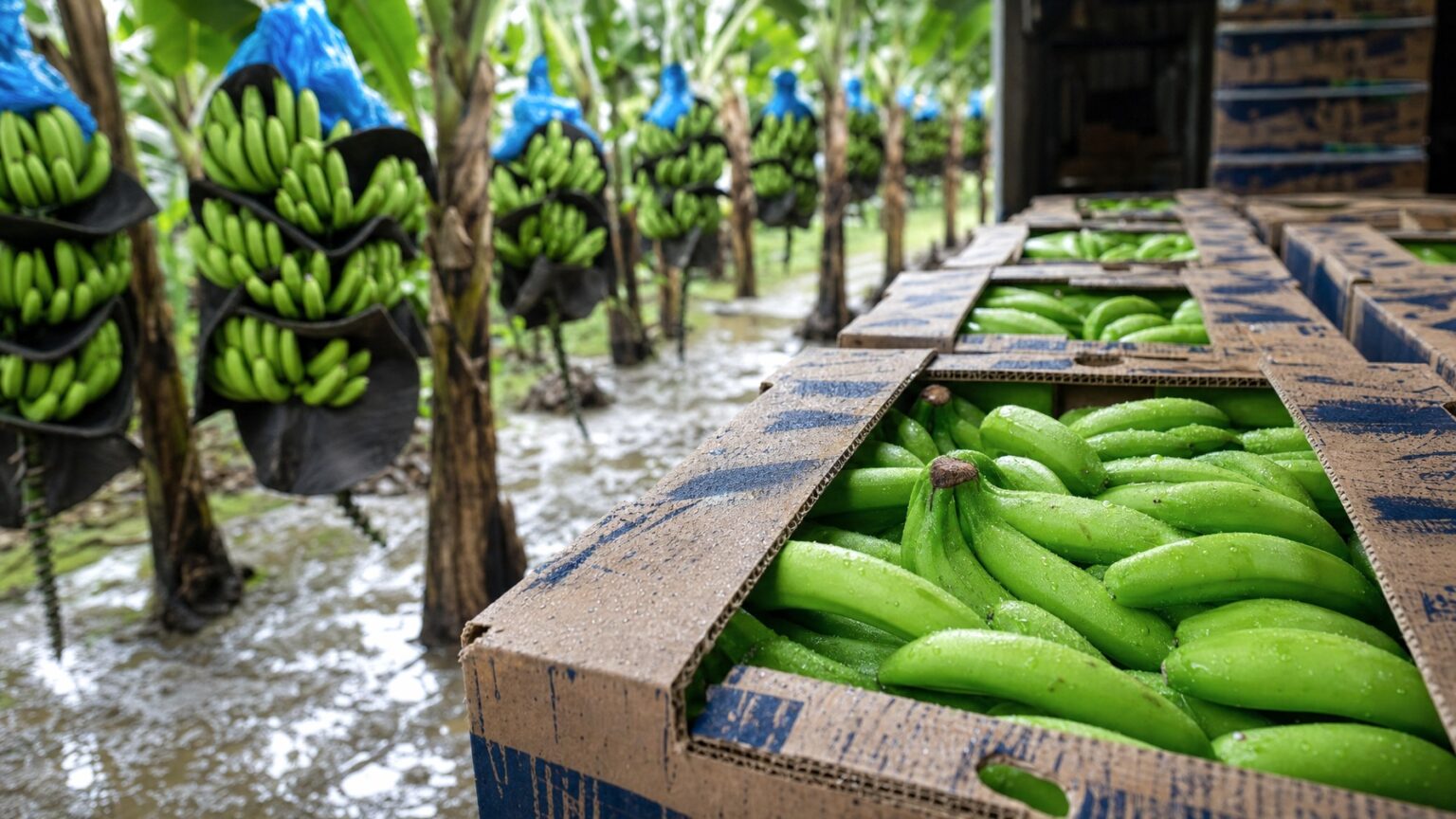
Mexican imports now fill a significant gap left by declining US production, yet they come with increased risk of contamination.
Recent cyclospora outbreaks, linked to Mexican-grown iceberg lettuce, are a stark reminder of these risks.
FDA inspections at Taylor Farms in Mexico revealed significant safety violations that could jeopardize consumer health.
This reliance on imports is driven by several factors:
- Cost advantages of Mexican labor and land
- Year-round growing conditions in Mexico
- Declining US agricultural investments
These factors combine to make Mexican produce an attractive but potentially risky option for US markets.
The question remains: how much risk are consumers willing to accept for cheaper produce?
Food Safety Oversight Strains Under Pressure
The US food safety system is under unprecedented pressure, struggling to keep up with the influx of foreign produce.
The FDA’s capacity to inspect and regulate imported produce is limited, leaving gaps in oversight.
Recent cyclospora outbreaks have highlighted these regulatory challenges, with consumers bearing the brunt of inadequate safety measures.
The FDA’s inspection of Taylor Farms revealed numerous safety concerns, yet their ability to enforce corrective actions remains limited.
The agency is tasked with monitoring:
- Millions of pounds of imported produce
- Diverse sources and farming practices
- Complex supply chains across borders
This fragmented system makes it difficult to ensure consistent safety standards, increasing the likelihood of contamination slipping through the cracks.
Without significant investment in oversight, the US remains vulnerable to food safety crises.
US Domestic Production Decline Exacerbates Dependence
The decline in US domestic produce production is a key factor exacerbating dependence on Mexican imports.
Since 2010, US fresh fruit production has decreased by 32%, a concerning trend for a nation striving for food security.
This decline is driven by several factors:
- Rising labor costs in the US
- Water scarcity issues in key agricultural regions
- Shifts in consumer preferences towards exotic imports
As domestic production wanes, the gap is increasingly filled by Mexican produce, further entrenching reliance.
This shift has significant implications for both the economy and food safety, as foreign producers may not adhere to the same standards as US farms.
The disparity in standards elevates the risk of importing contaminated produce, posing a direct threat to consumer health.
Economic Pressures Favoring Mexican Imports
The economic dynamics between the US and Mexico significantly favor the import of Mexican produce over domestic production.
Lower labor costs in Mexico provide a substantial financial advantage to US retailers and consumers.
In Mexico, agricultural labor wages can be as low as $5 per day compared to the US minimum wage of $7.25 per hour.
This stark difference allows Mexican producers to offer competitive pricing that US farms struggle to match.
Furthermore, Mexico’s diverse climates allow for year-round production of popular fruits and vegetables, ensuring consistent supply.
These conditions reduce the need for expensive greenhouse setups that US producers might require during off-seasons.
Additionally, the North American Free Trade Agreement (NAFTA), now succeeded by the United States-Mexico-Canada Agreement (USMCA), has eased trade barriers, promoting a seamless flow of goods across borders.
- Reduced tariffs on agricultural products
- Simplified customs procedures
- Increased investment in cross-border infrastructure
These economic pressures make Mexican imports an economically viable option, despite the associated food safety risks.
FDA’s Limited Reach in Mexican Operations
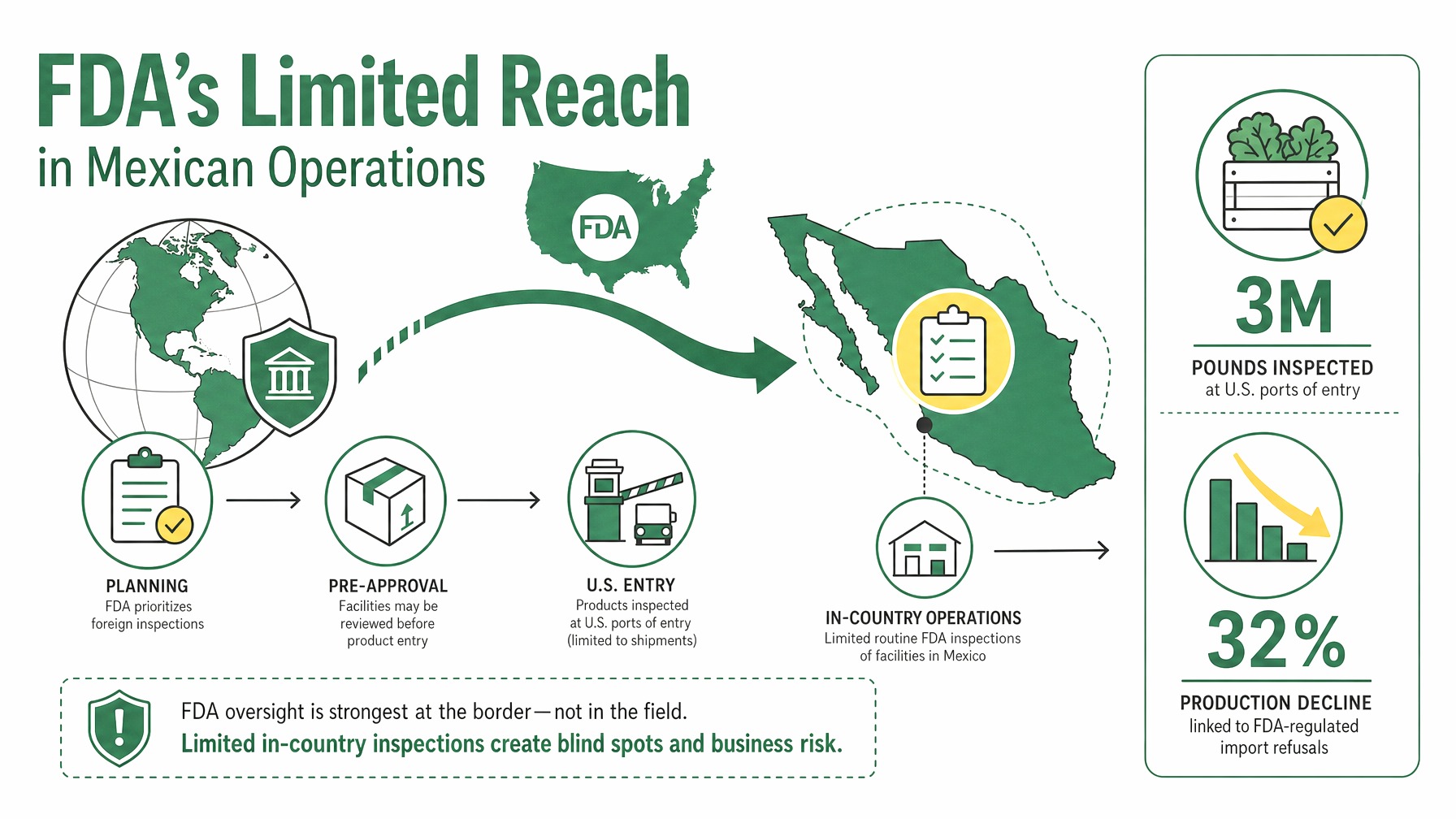
The FDA’s limited reach into Mexican operations poses a significant challenge to effective food safety management.
The agency’s inspection of Taylor Farms’ Mexican facilities exposed numerous safety violations, yet enforcement is complex across international borders.
US regulators face several hurdles:
- Jurisdictional limitations
- Resource constraints for cross-border inspections
- Differences in regulatory standards between countries
These challenges hinder the FDA’s ability to implement and enforce necessary safety measures.
In the face of increasing imports, the FDA’s inability to fully regulate foreign operations leaves consumers at risk.
The agency must navigate complex diplomatic and logistic barriers to ensure safety compliance.
Impact of Trade Policies on Food Safety
Trade policies like NAFTA and USMCA have significantly impacted food safety measures by facilitating easier access to imports.
These agreements prioritize economic benefits, sometimes at the expense of stringent safety regulations.
The reduced tariffs and streamlined processes encourage a high volume of imports, which can overwhelm existing safety protocols.
For instance, the volume of Mexican produce entering the US has increased by 69% since 2010, stretching the FDA’s inspection capabilities thin.
The focus on economic growth often sidelines essential discussions on aligning safety standards across borders.
This gap creates vulnerabilities where food safety regulations might not be enforced as rigorously as domestic standards demand.
Aligning trade policies with food safety objectives is crucial to mitigate these risks and protect consumer health.
Emerging Technologies as a Solution to Safety Challenges
To address the growing safety concerns, emerging technologies could play a crucial role in enhancing food safety management.
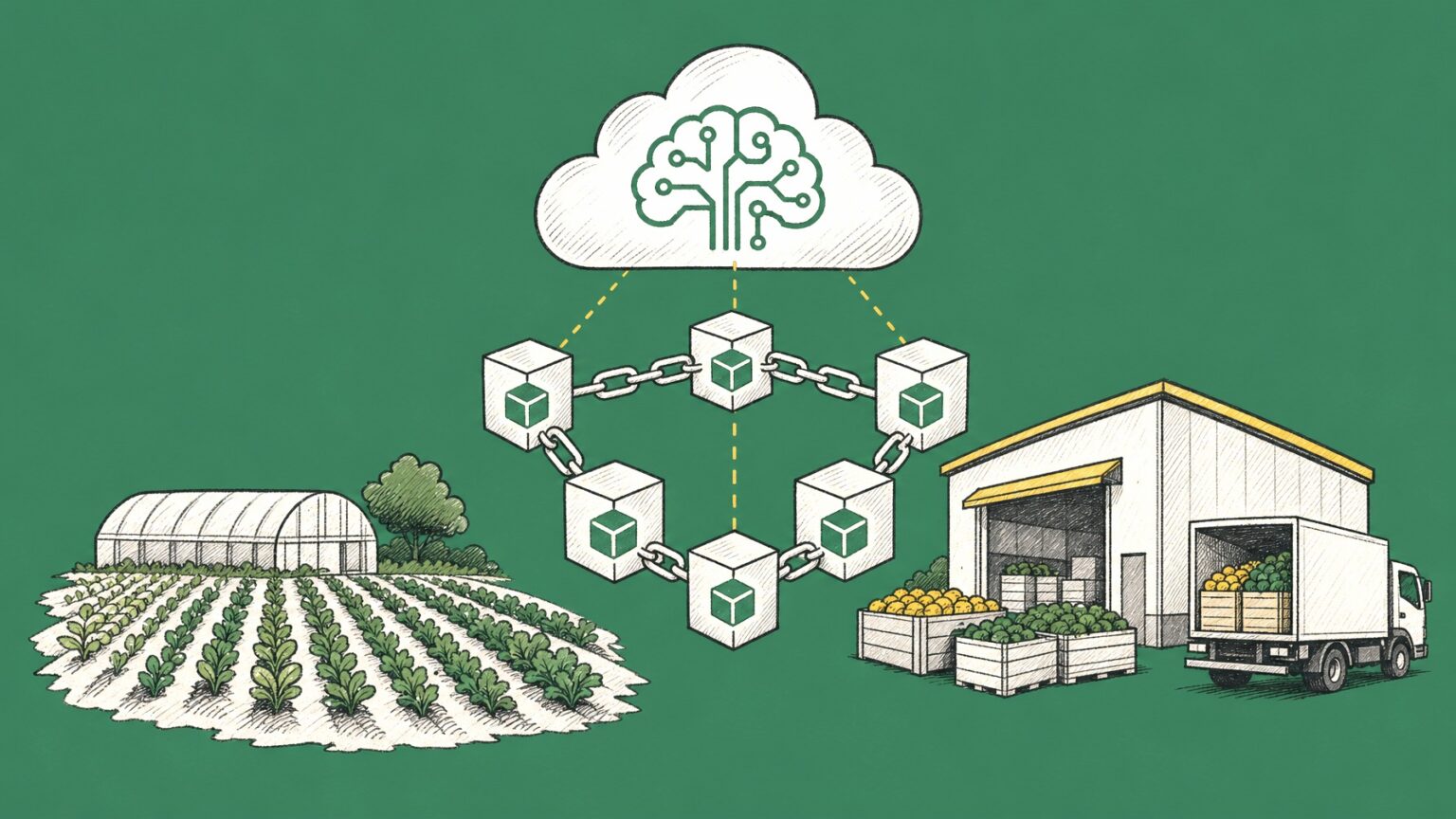
Blockchain technology offers a promising solution for improving traceability and transparency in the supply chain.
By implementing blockchain, all stakeholders can access real-time data about the origin and handling of produce.
This transparency helps identify contamination sources quickly, reducing the scope and impact of foodborne illness outbreaks.
Furthermore, remote sensing technologies can monitor agricultural practices in Mexico more efficiently than traditional inspections.
- Increased traceability through blockchain
- Real-time monitoring via remote sensors
- Enhanced transparency across supply chains
These innovations, if adopted widely, could significantly bolster existing safety measures and offer a proactive approach to managing risks.
However, integrating these technologies requires investment and collaboration between governments and the private sector.
Reevaluating Reliance on Mexican Imports is Imperative
The growing dependence on Mexican imports for fresh produce is a precarious strategy that jeopardizes American consumer health.
While these imports provide cost and availability advantages, they also introduce significant food safety risks that must be addressed.
The recent cyclospora outbreaks linked to Mexican lettuce highlight the urgent need for improved regulatory oversight and domestic production revitalization.
The US must invest in strengthening its food safety systems and reducing its reliance on foreign produce to protect consumer health.
A balanced approach that supports local agriculture while ensuring stringent safety standards for imports is crucial for sustainable food security.