The produce industry is constantly evolving, with packaging innovations playing a crucial role in driving change.
As consumer preferences and industry demands shift, packaging trends are transforming how fruits and vegetables are presented and preserved.
From sustainable materials to smart technology, packaging is more than just a container it’s a key factor in enhancing product appeal and ensuring freshness.
Packaging decisions can significantly impact the supply chain, marketing strategies, and overall consumer satisfaction.
Understanding these trends is essential for industry professionals aiming to stay competitive.
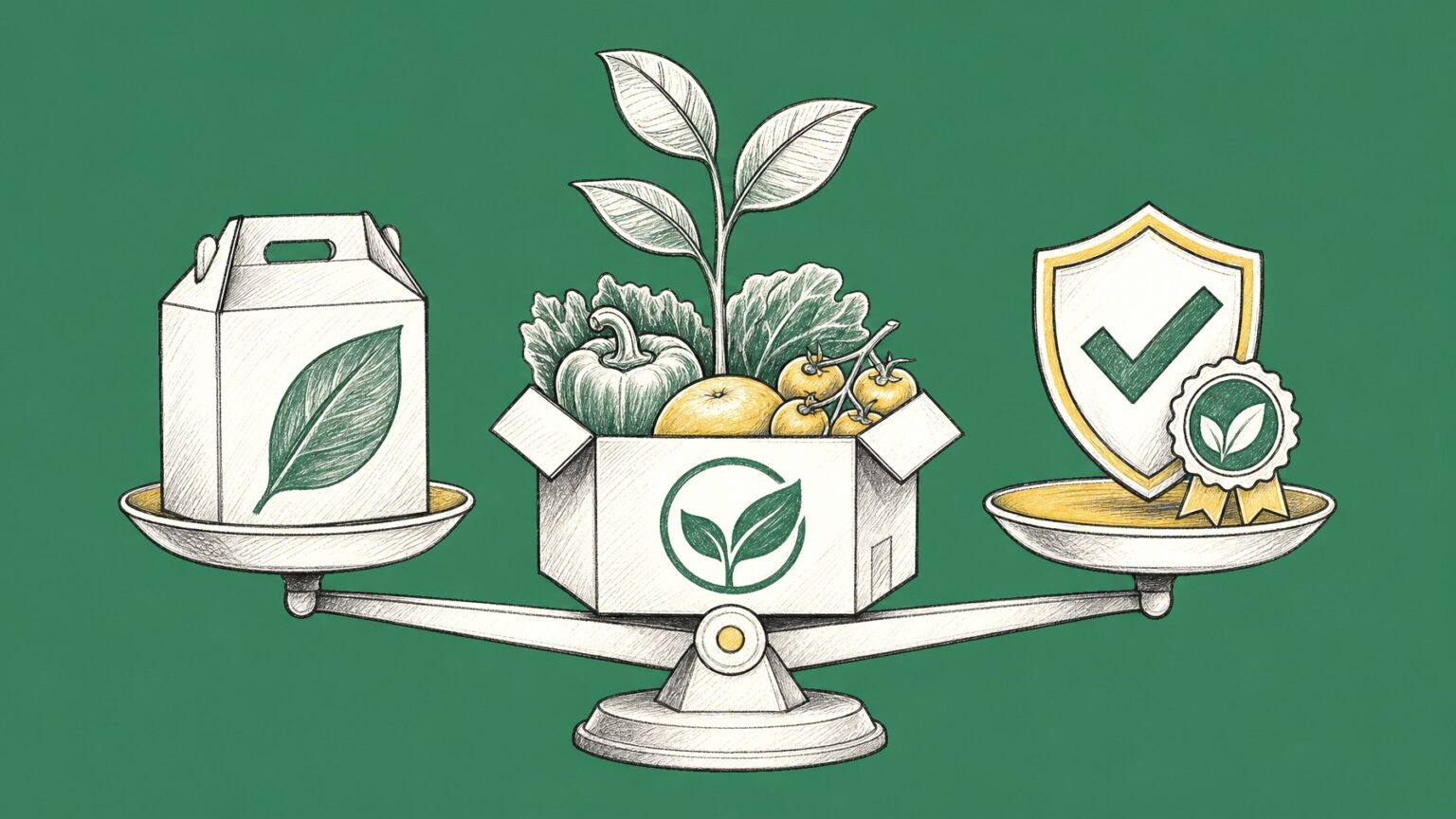
This article explores five must-know packaging trends that are reshaping the produce industry.
These trends not only address environmental concerns but also improve functionality and convenience for both retailers and consumers.
By adopting these packaging innovations, businesses can enhance their product offerings while meeting the growing demand for sustainability and efficiency.
1. Sustainable Packaging Solutions
Sustainability is a major driver of innovation in produce packaging.
As environmental awareness grows, consumers demand packaging that minimizes waste and reduces environmental impact.
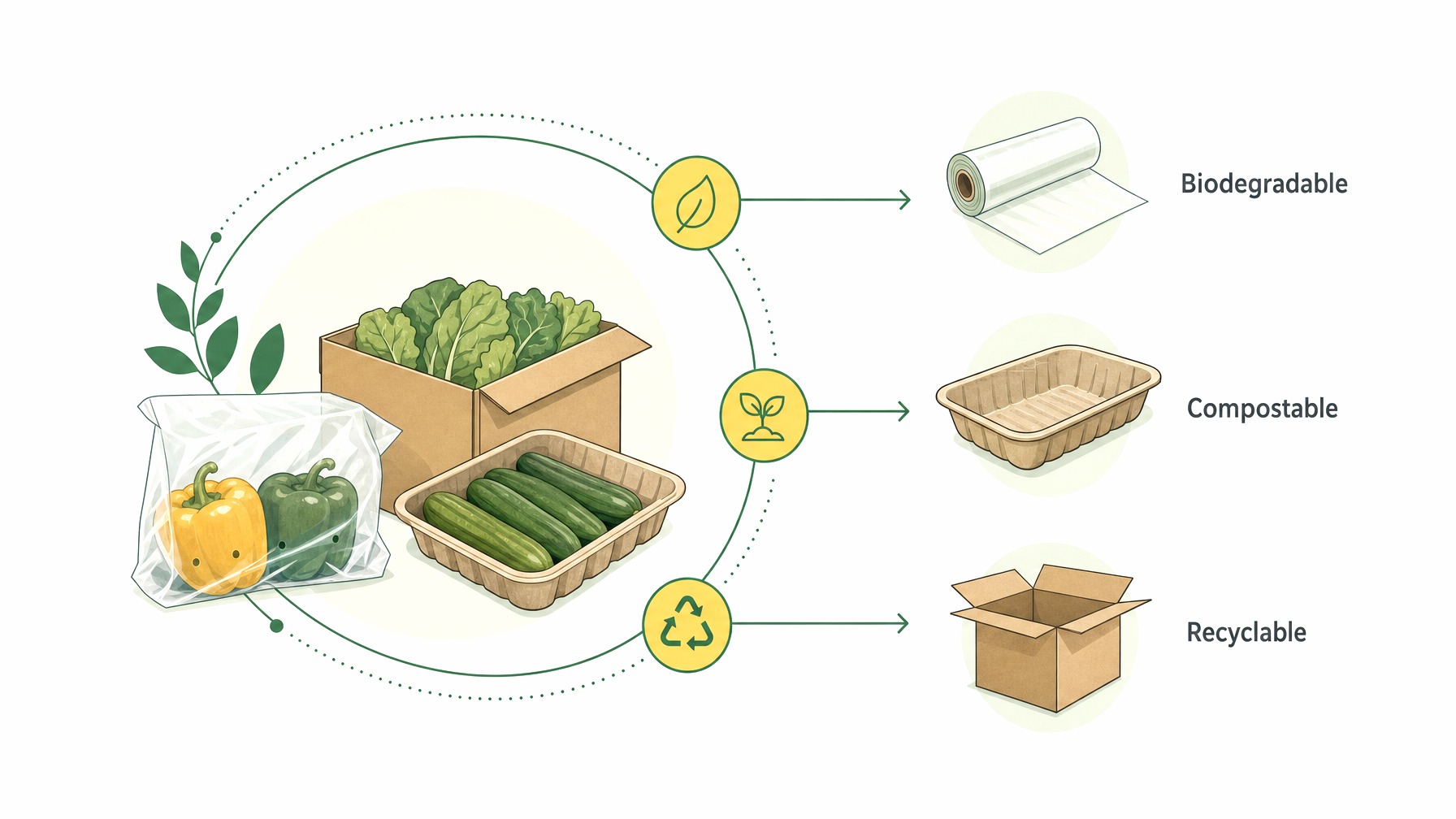
Biodegradable and compostable materials are increasingly popular, offering eco-friendly alternatives to traditional plastic.
Many companies are also exploring recyclable materials and reusable packaging systems.
- Biodegradable films for wrapping produce
- Compostable trays for ready-to-eat fruits
- Recyclable boxes for bulk shipments
Innovations like edible packaging, made from natural fibers, are emerging as well.
These materials not only reduce waste but also offer unique marketing opportunities.
Sustainable packaging can enhance brand image, attracting eco-conscious consumers.
Adopting sustainable packaging solutions can also lead to cost savings in waste management and compliance with environmental regulations.
2. Smart Packaging Technology
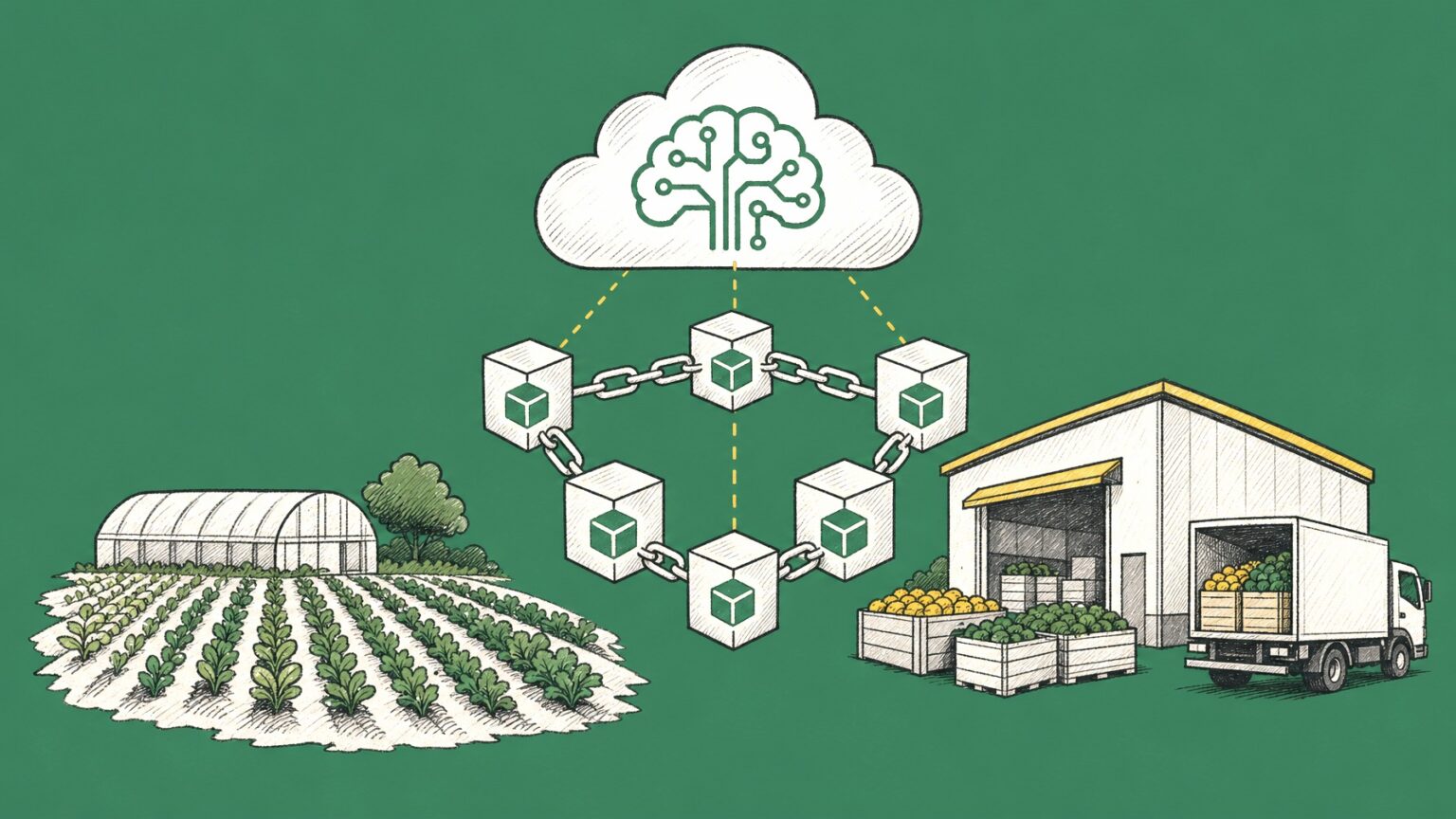
Smart packaging technology is transforming how produce is monitored and managed.
These innovations provide real-time data on the condition and freshness of produce throughout the supply chain.
QR codes and NFC tags enable consumers to access detailed product information, enhancing transparency and trust.
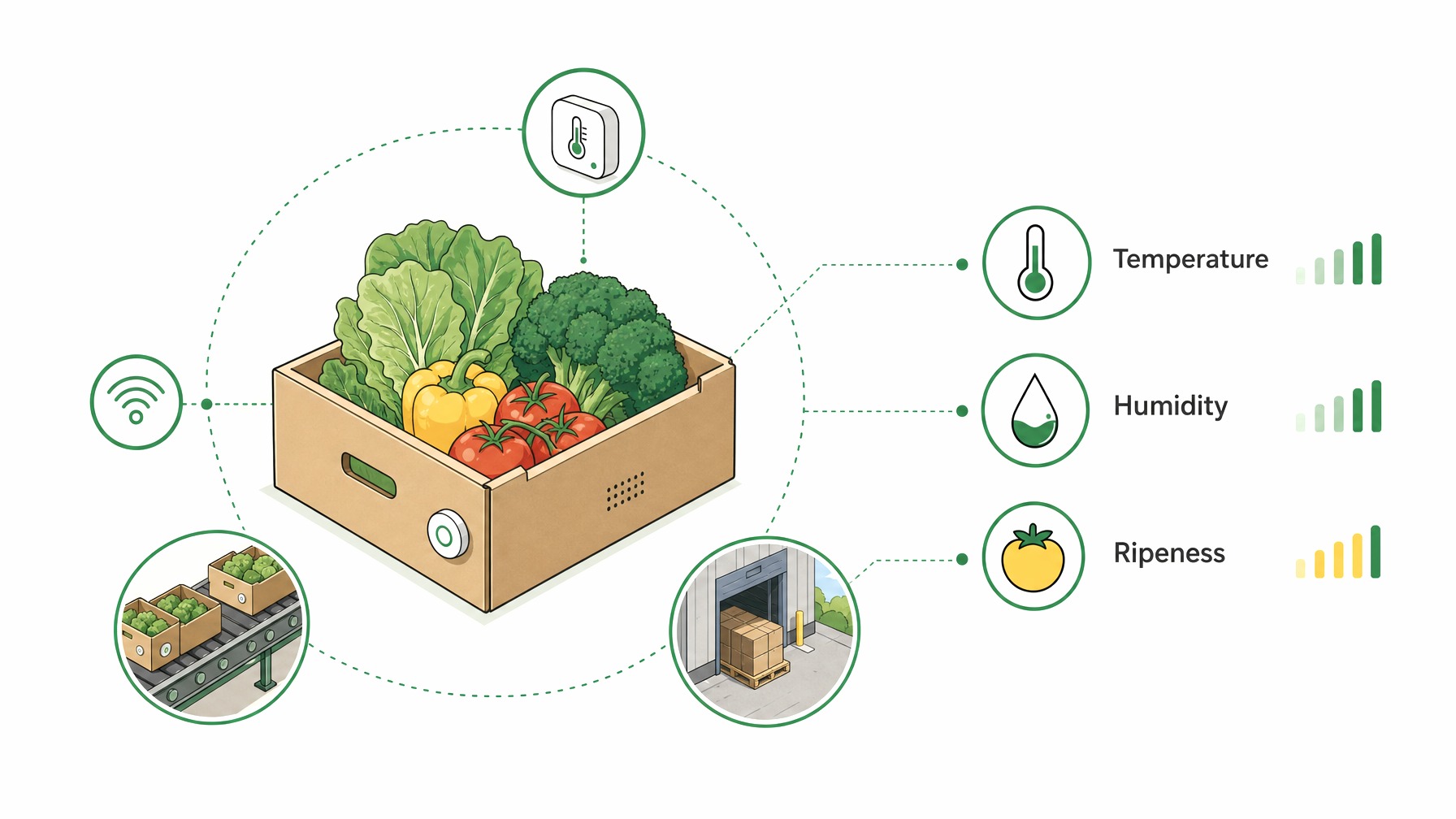
Sensors embedded in packaging can monitor temperature, humidity, and ripeness.
- Temperature sensors to track cold chain
- Humidity indicators for freshness
- Ripeness monitors for optimal consumption
These technologies help reduce food waste by ensuring produce is stored and consumed at peak freshness.
They also provide valuable data for supply chain optimization.
Smart packaging not only benefits consumers but also provides retailers with insights into inventory management and quality control.
By adopting these technologies, businesses can enhance product quality and customer satisfaction.
3. Minimalist Design and Clear Labeling
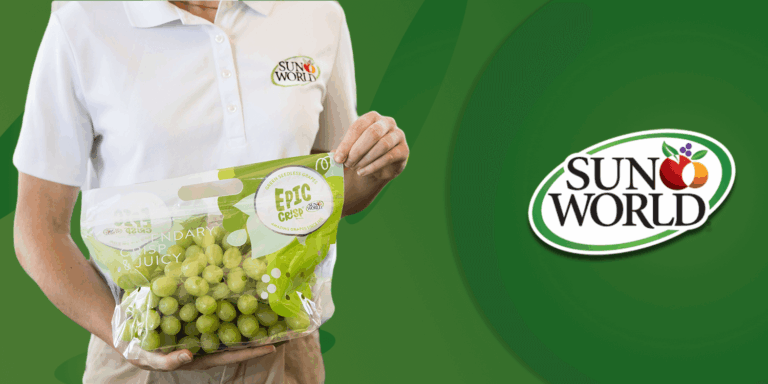
Minimalist packaging design is gaining traction, with a focus on clear labeling and simplicity.
This trend reflects consumer demand for transparency and straightforward communication about product origin and benefits.
Clear labels with concise information help consumers make informed purchasing decisions.
Minimalist design reduces visual clutter, emphasizing the natural appeal of the produce itself.
- Simple graphics that highlight product features
- Transparent packaging for visibility
- Concise labels with essential info
This approach not only attracts consumers but also reduces packaging material, aligning with sustainability goals.
Clear labeling ensures compliance with regulatory standards and enhances consumer trust.
By adopting minimalist design, brands can differentiate themselves in a crowded market while promoting product integrity.
4. Convenience-Focused Packaging
As lifestyles become busier, consumers seek convenient packaging solutions that simplify meal preparation and consumption.
This trend drives innovations in packaging that enhance ease of use.
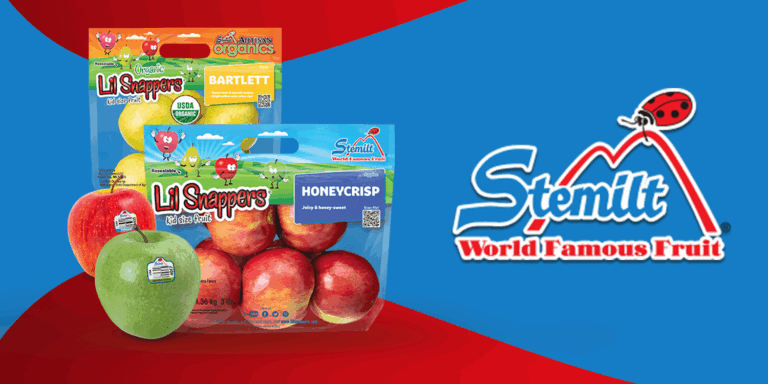
Single-serve portions, resealable bags, and microwave-safe containers cater to busy consumers and on-the-go lifestyles.
These solutions not only provide convenience but also reduce food waste.
- Resealable bags for extended freshness
- Microwave-safe trays for quick meals
- Single-serve packs for portion control
Convenience-focused packaging appeals to time-strapped consumers and can increase market reach.
These solutions are especially popular in urban areas where space and time are limited.
By developing packaging that prioritizes convenience, businesses can enhance customer satisfaction and drive sales.
5. Customization and Personalization
Customization and personalization in packaging allow brands to cater to diverse consumer preferences.
This trend enables companies to create unique packaging that resonates with specific target audiences.
Personalized packaging can include custom graphics, tailored messaging, and limited-edition designs.
These elements enhance brand loyalty and provide a memorable customer experience.
- Custom graphics for brand alignment
- Tailored messaging for specific audiences
- Limited-edition designs for exclusivity
By offering personalized packaging options, brands can connect with consumers on a deeper level.
This approach not only enhances brand identity but also encourages repeat purchases.
Customization in packaging can differentiate products in a competitive marketplace, driving brand recognition and consumer engagement.
The Bottom Line
Packaging trends are reshaping the produce industry, driven by sustainability, technology, and consumer preferences.
These innovations enhance product appeal, improve functionality, and support environmental goals.
By staying informed about these trends, industry professionals can make strategic decisions that benefit their business and the environment.
Embracing these changes can lead to increased customer satisfaction, reduced waste, and improved brand loyalty.
Adopting these packaging innovations is essential for businesses looking to thrive in an evolving market.
The future of produce packaging is here, offering opportunities for growth and differentiation.