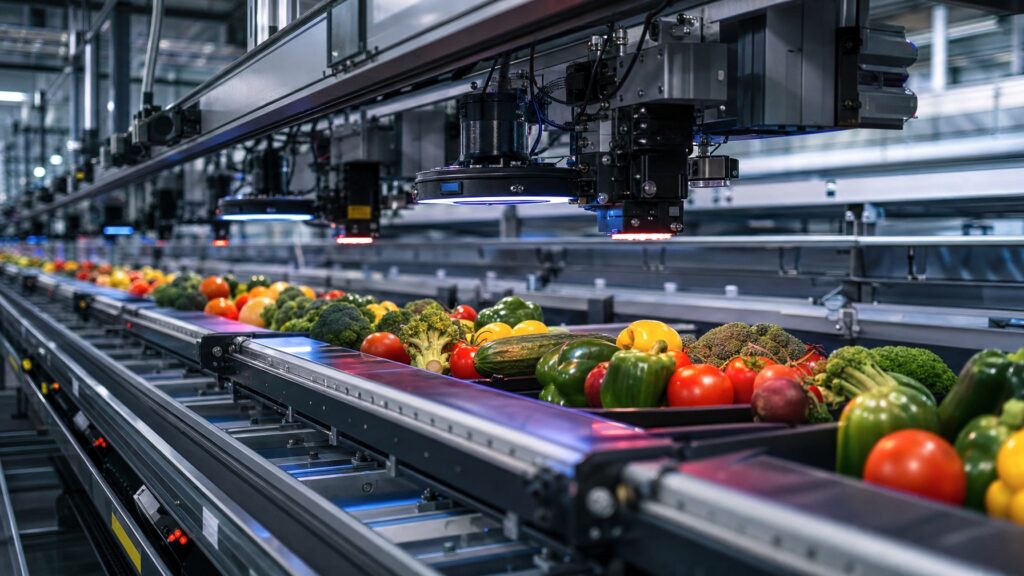
The fresh produce industry faces increasing pressure to maintain high quality standards while managing costs and labor shortages.
Technological advancements, particularly in artificial intelligence (AI), are offering revolutionary solutions to these challenges.
AI tools are now more accessible and effective in quality assessment, ensuring that produce meets consumer expectations and regulatory requirements.
In this article, we will explore six innovative AI tools that are transforming how the industry assesses the quality of fresh produce.
These tools not only enhance efficiency but also improve accuracy, ensuring consistent quality control.
Contents
1. Automated Sorting Systems
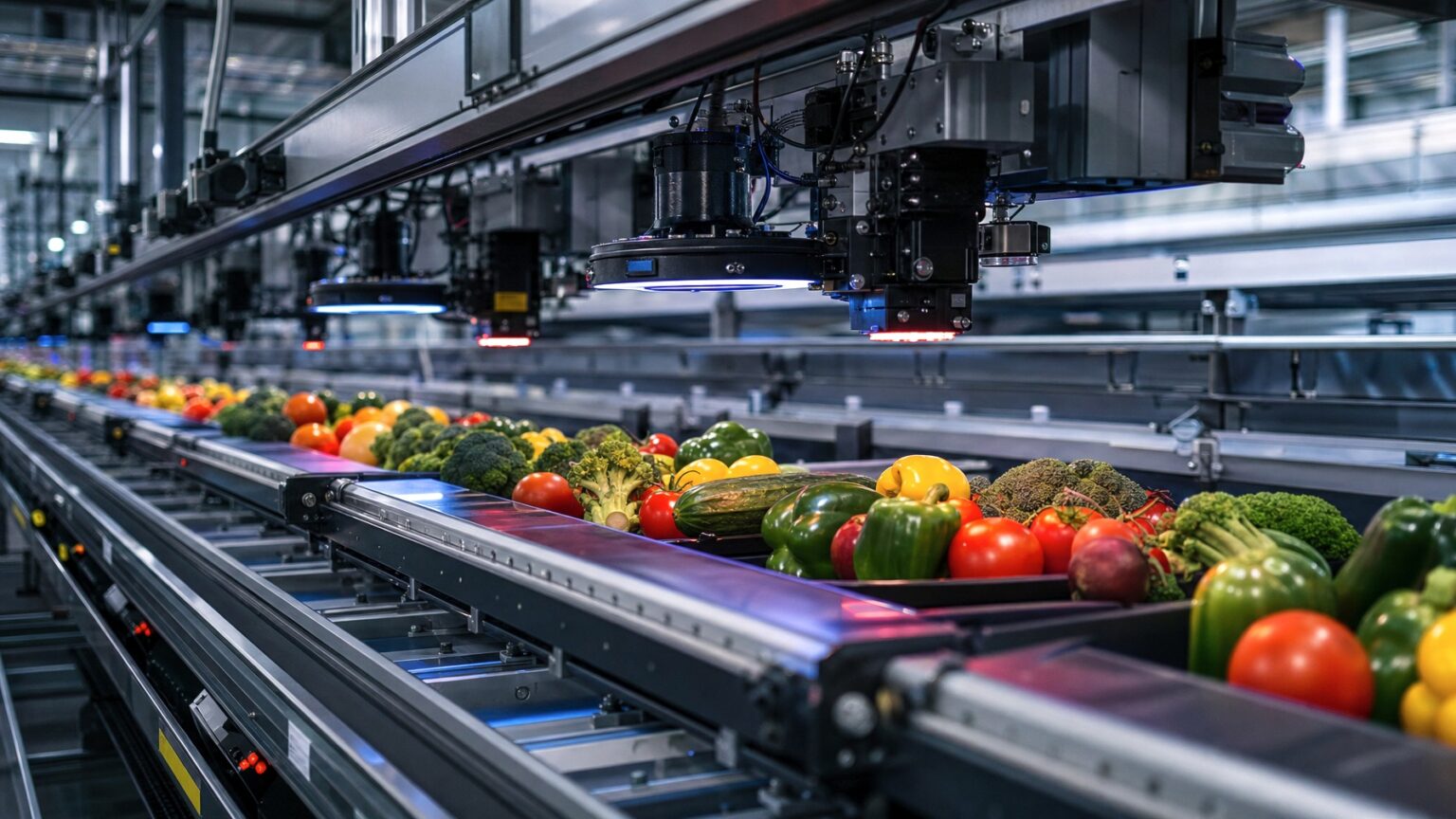
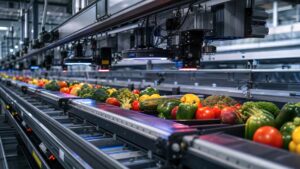
Automated sorting systems have advanced significantly with the integration of AI.
These systems utilize machine learning algorithms to categorize produce based on size, shape, and color.
This technology reduces manual labor and increases sorting speed, allowing for higher throughput in packing houses.
AI-driven sorting systems can also detect imperfections, ensuring that only the best quality produce reaches the consumer.
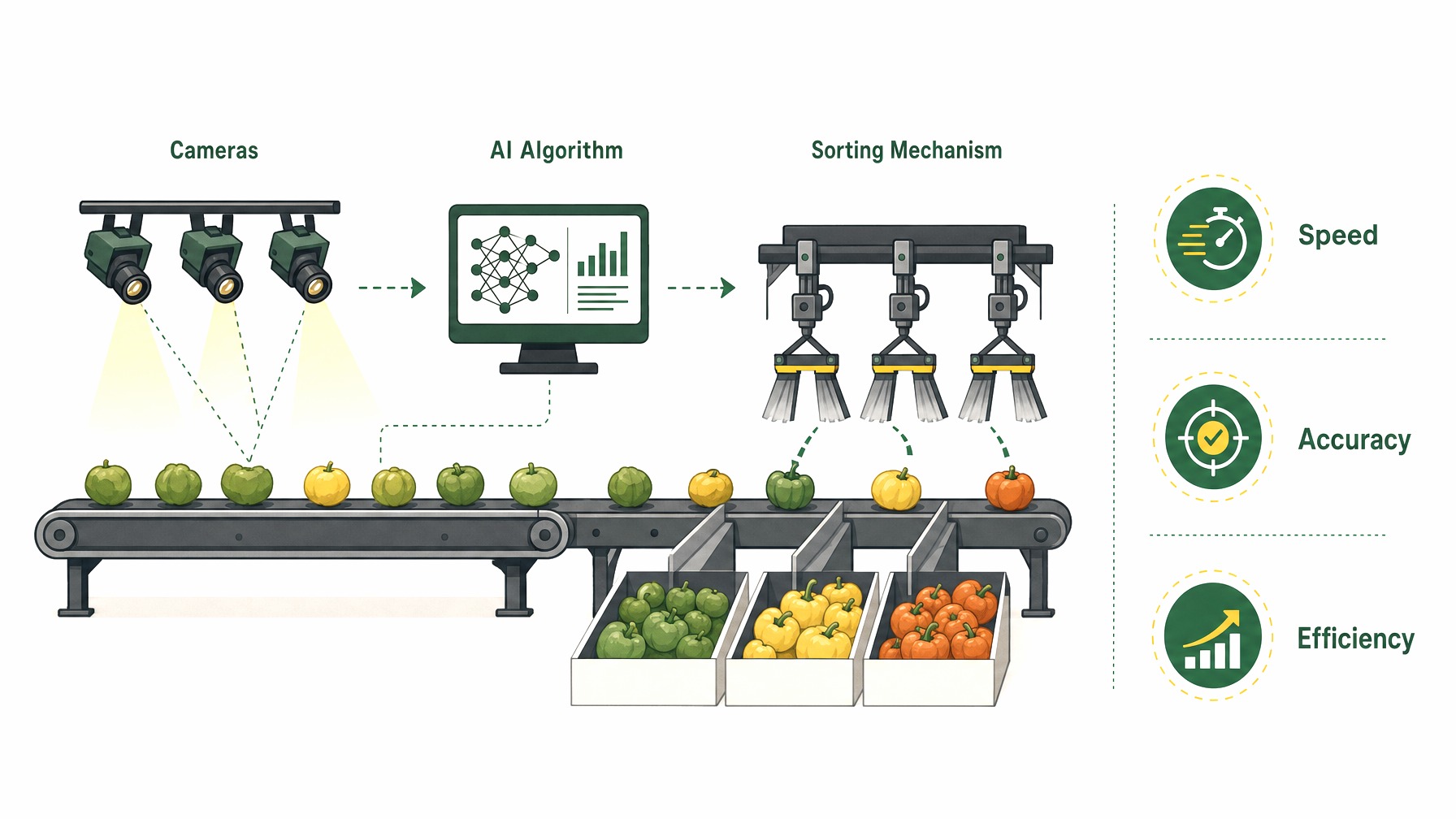
- Increased speed and efficiency
- Reduced labor costs
- Improved consistency in sorting
The ability to sort produce at such a high speed and accuracy level is a game changer for the industry.
With AI, sorting systems can now adapt to new produce types and sorting criteria, offering flexibility and scalability for producers.
2. Image Recognition Technology
Image recognition technology leverages AI to assess the visual quality of produce.
Using cameras and sensors, these systems capture images of produce and analyze them for defects.
This technology is particularly useful for detecting subtle imperfections that might be missed by the human eye.
Image recognition tools can be integrated into existing sorting and packing lines, enhancing their capabilities.
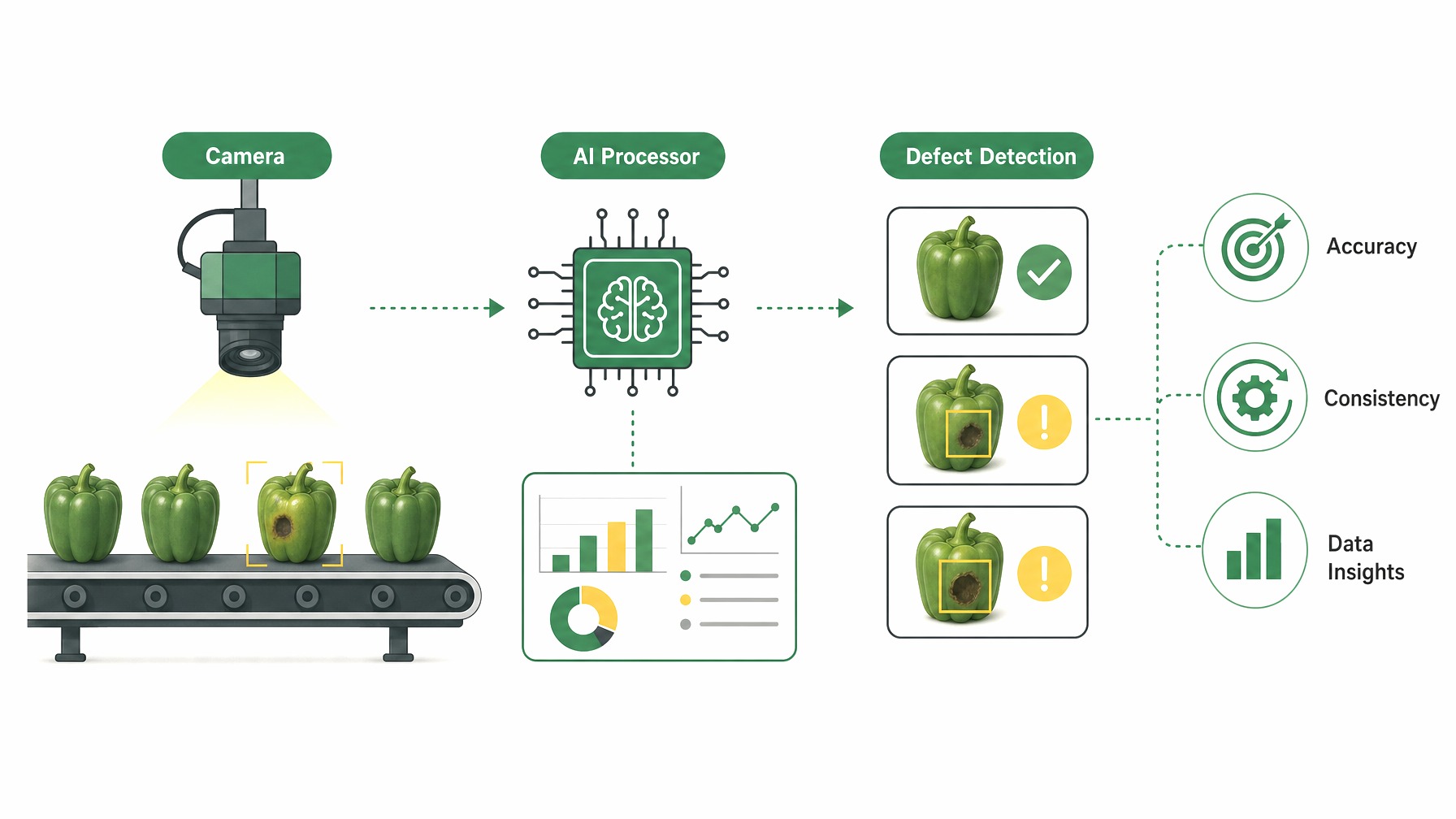
- Detects surface defects
- Ensures uniformity in produce appearance
- Reduces waste by identifying usable produce
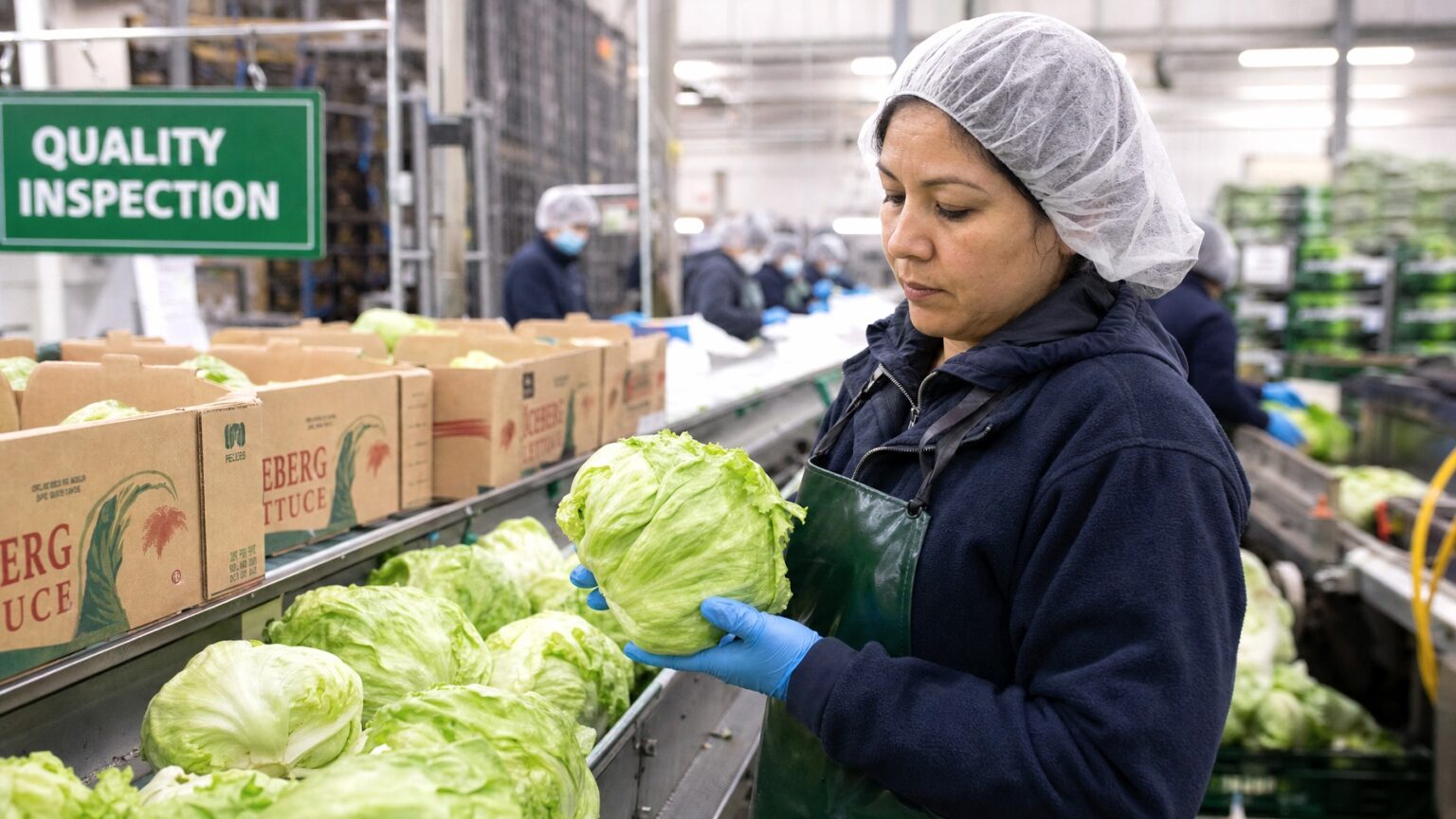
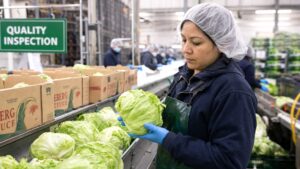
By automating visual inspections, image recognition technology reduces the reliance on skilled labor while maintaining high standards.
This technology not only improves accuracy but also provides valuable data for future analysis and quality improvement.
3. Predictive Analytics for Quality Control
Predictive analytics uses AI to forecast potential quality issues before they arise.
By analyzing historical data and current conditions, these tools can predict future quality trends and suggest proactive measures.
This foresight allows producers to address potential problems early, reducing spoilage and waste.
Predictive analytics also helps optimize storage conditions and transportation logistics, maintaining quality throughout the supply chain.
- Early detection of quality issues
- Optimized storage and transport conditions
- Reduced spoilage and waste
The integration of predictive analytics into quality control processes enables a proactive approach to managing produce quality.
This approach not only enhances quality but also boosts operational efficiency and sustainability.
4. AI-Driven Ripeness Monitoring
AI-driven ripeness monitoring tools are revolutionizing how produce ripeness is assessed.
These tools use sensors and AI algorithms to determine the optimal harvest time for maximum flavor and freshness.
By accurately predicting ripeness levels, producers can ensure that their produce is harvested at the perfect time, reducing spoilage and enhancing consumer satisfaction.
- Accurate ripeness predictions
- Optimized harvest timing
- Enhanced flavor and freshness
These tools are particularly valuable for fruits such as avocados and bananas, where ripeness is critical to quality.
AI-driven ripeness monitoring contributes to better inventory management and reduces the risk of overripe produce reaching consumers.
5. Environmental Monitoring Systems
Environmental monitoring systems equipped with AI are enhancing the ability to maintain optimal growing conditions.
These tools monitor variables such as temperature, humidity, and light levels, adjusting them as needed to ensure optimal growth.
AI-driven environmental monitoring helps in maintaining consistent quality throughout the growing season.
This ensures that produce is grown under the best conditions, leading to higher quality outcomes.
- Optimized growing conditions
- Consistent quality control
- Improved yield and quality
Environmental monitoring systems are particularly beneficial for greenhouse operations where controlled conditions are essential.
AI technology allows for real-time adjustments, ensuring that any deviations in growing conditions are swiftly corrected.
6. Blockchain Integration for Traceability
Blockchain technology is being integrated with AI to enhance traceability in the produce supply chain.
This integration allows for real-time tracking of produce from farm to table, ensuring that quality and safety standards are met.
AI enhances blockchain by providing data analytics and insights into supply chain operations.
This combination offers a transparent and secure record of produce quality and origin.
- Enhanced traceability
- Improved quality assurance
- Increased consumer trust
Blockchain integration with AI not only improves traceability but also provides valuable insights into supply chain performance.
This leads to more informed decision-making and improved overall supply chain efficiency.
The Bottom Line
AI tools are transforming the produce quality assessment landscape, offering innovative solutions to longstanding challenges.
From automated sorting to blockchain integration, these tools improve efficiency, accuracy, and traceability.
Producers who embrace these technologies will be better positioned to meet consumer demands and navigate industry challenges.
Investing in AI-driven quality assessment tools ensures a competitive edge in the ever-evolving fresh produce market.