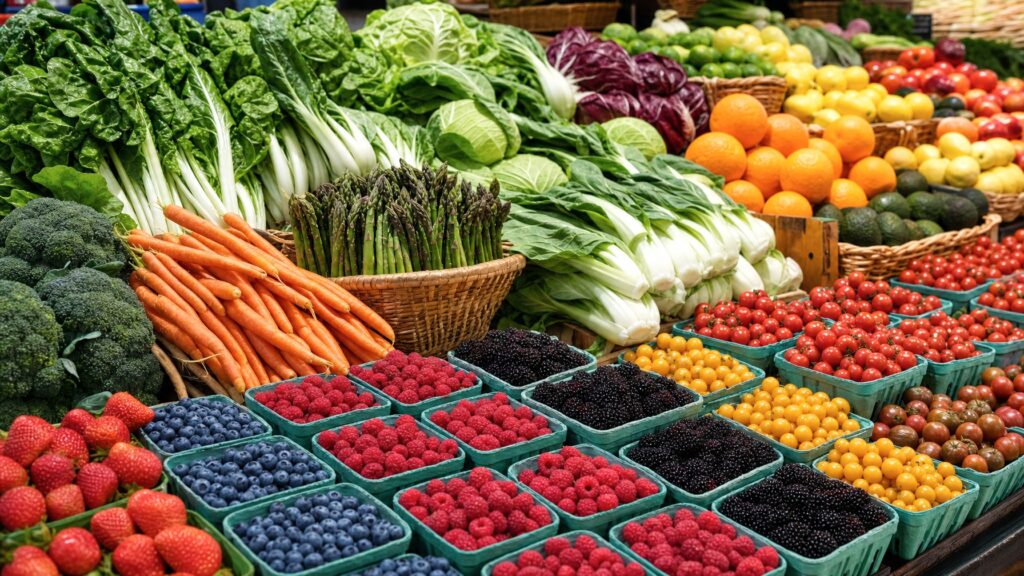
In the rapidly evolving world of fresh produce, staying attuned to seasonal trends is crucial for industry leaders.
These trends not only influence consumer buying habits but also affect supply chain logistics, marketing strategies, and sustainability initiatives.
By recognizing and adapting to these shifts, produce professionals can maintain a competitive edge.
Seasonality impacts demand and can dictate the success of various produce items.
Understanding these shifts allows growers, shippers, and retailers to make informed decisions about planting, harvesting, and stocking.
It also provides insights into consumer preferences, enabling more effective marketing campaigns.
This article delves into seven key seasonal produce trends that are shaping the market.
Each trend offers opportunities for growth and innovation, helping industry leaders align their strategies with market demands.
From consumer preferences to sustainability practices, these trends present pathways for enhancing operations and ensuring success.
1. Rise of Local and Regional Produce
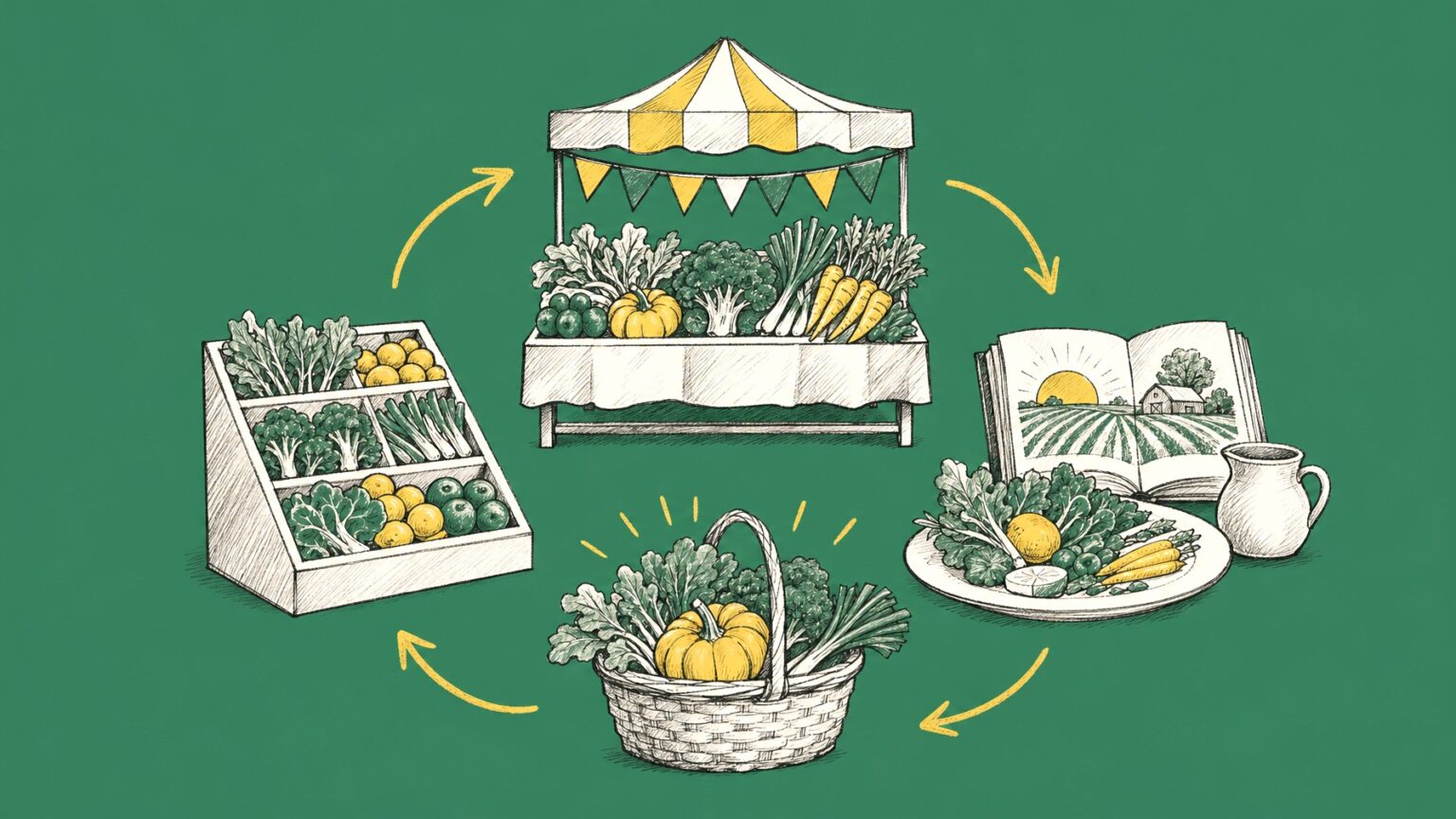
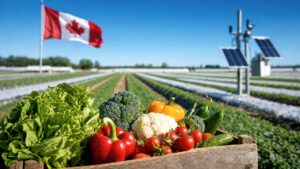
Consumers are increasingly valuing local and regional produce for its freshness and reduced carbon footprint.
This trend is driven by a growing awareness of sustainability and a desire to support local economies.
Retailers and marketers are positioning themselves to meet this demand by partnering with local farms and promoting locally-sourced products.
Local produce often benefits from shorter supply chains, which can lead to fewer logistical challenges and fresher products on shelves.
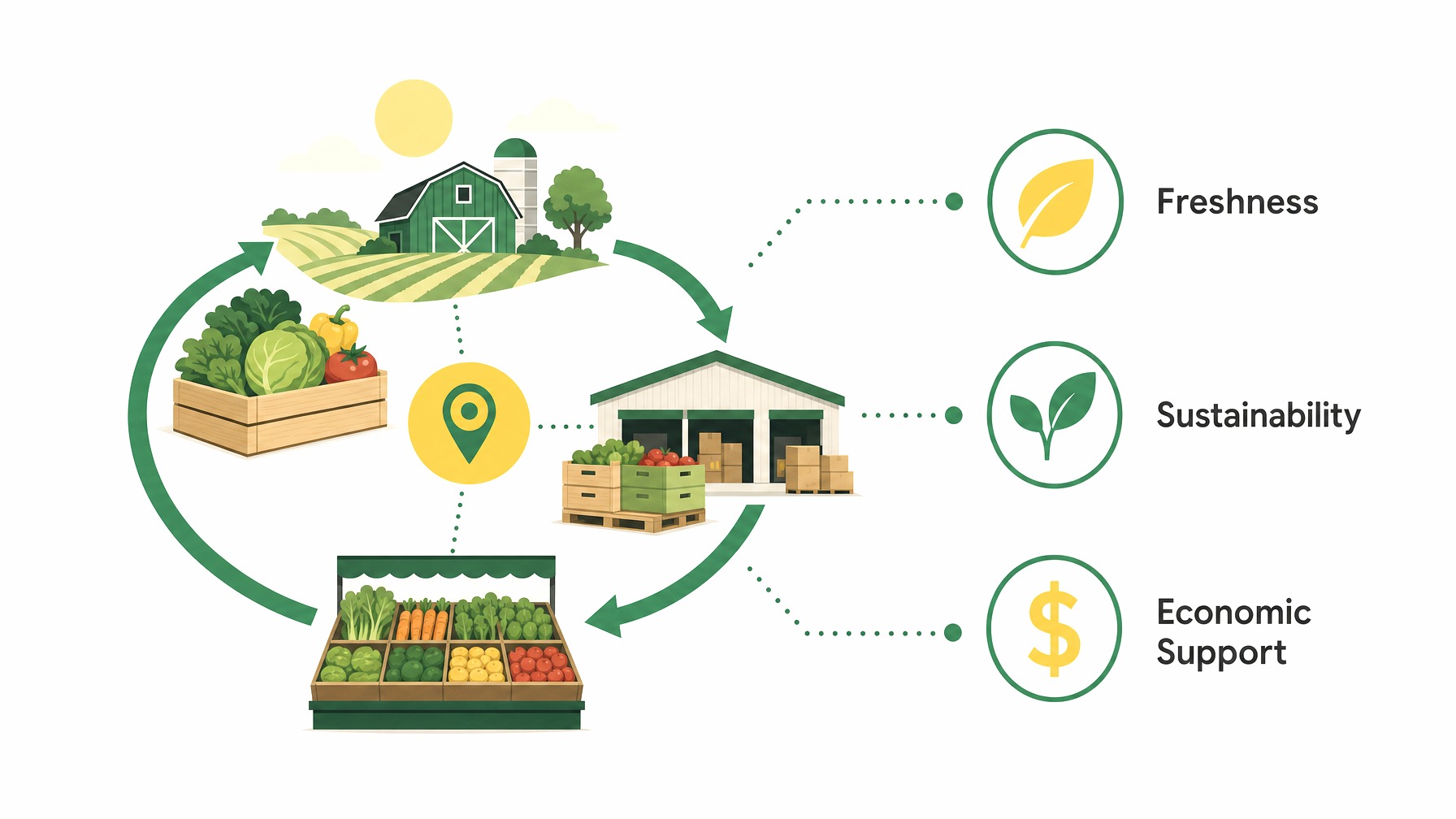
For growers, this trend offers an opportunity to expand their market reach within their own regions.
- Promote the freshness and taste of local produce.
- Highlight sustainable practices in marketing materials.
- Build partnerships with local farms for seasonal offerings.
Adapting to this trend requires a keen understanding of regional growing seasons and consumer preferences.
Retailers who effectively communicate the benefits of local produce can enhance customer loyalty and differentiate themselves in a competitive market.
2. Demand for Organic Options
The demand for organic produce continues to rise as consumers prioritize health and environmental sustainability.
Organic farming practices eliminate the use of synthetic fertilizers and pesticides, appealing to health-conscious shoppers.
This trend necessitates adjustments in production practices and supply chain logistics.
For growers, transitioning to organic farming can be resource-intensive but offers a significant market advantage.
Retailers and marketers should emphasize the health benefits and environmental impact of organic produce in their communications.
- Certify organic products to meet consumer expectations.
- Educate consumers on the benefits of organic farming.
- Develop clear labeling to differentiate organic products.
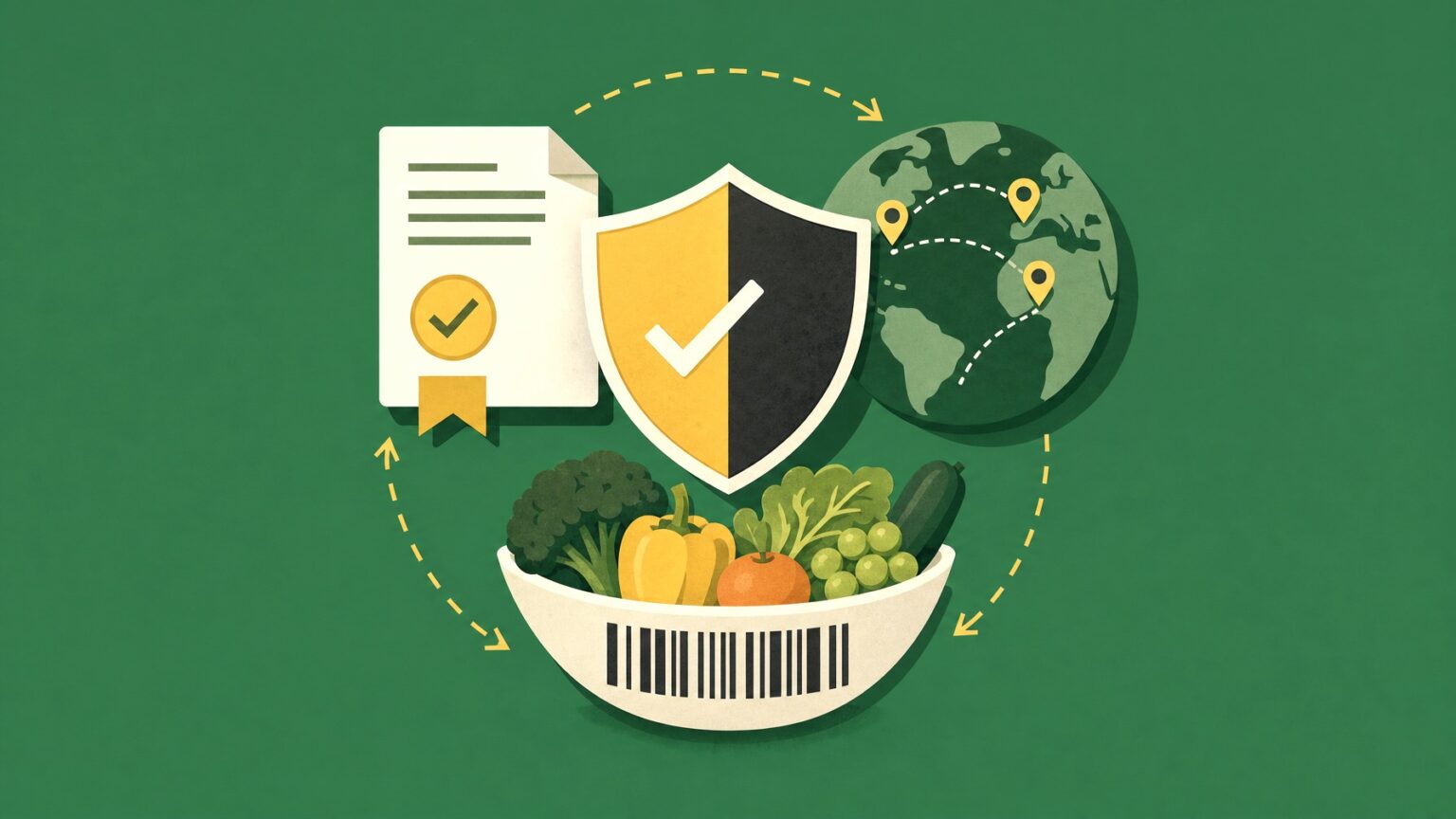
Effective supply chain management is crucial in maintaining the integrity of organic produce from farm to retail shelves.
As demand grows, producers and retailers must work together to streamline logistics and ensure product quality.
3. Innovations in Greenhouse Technology
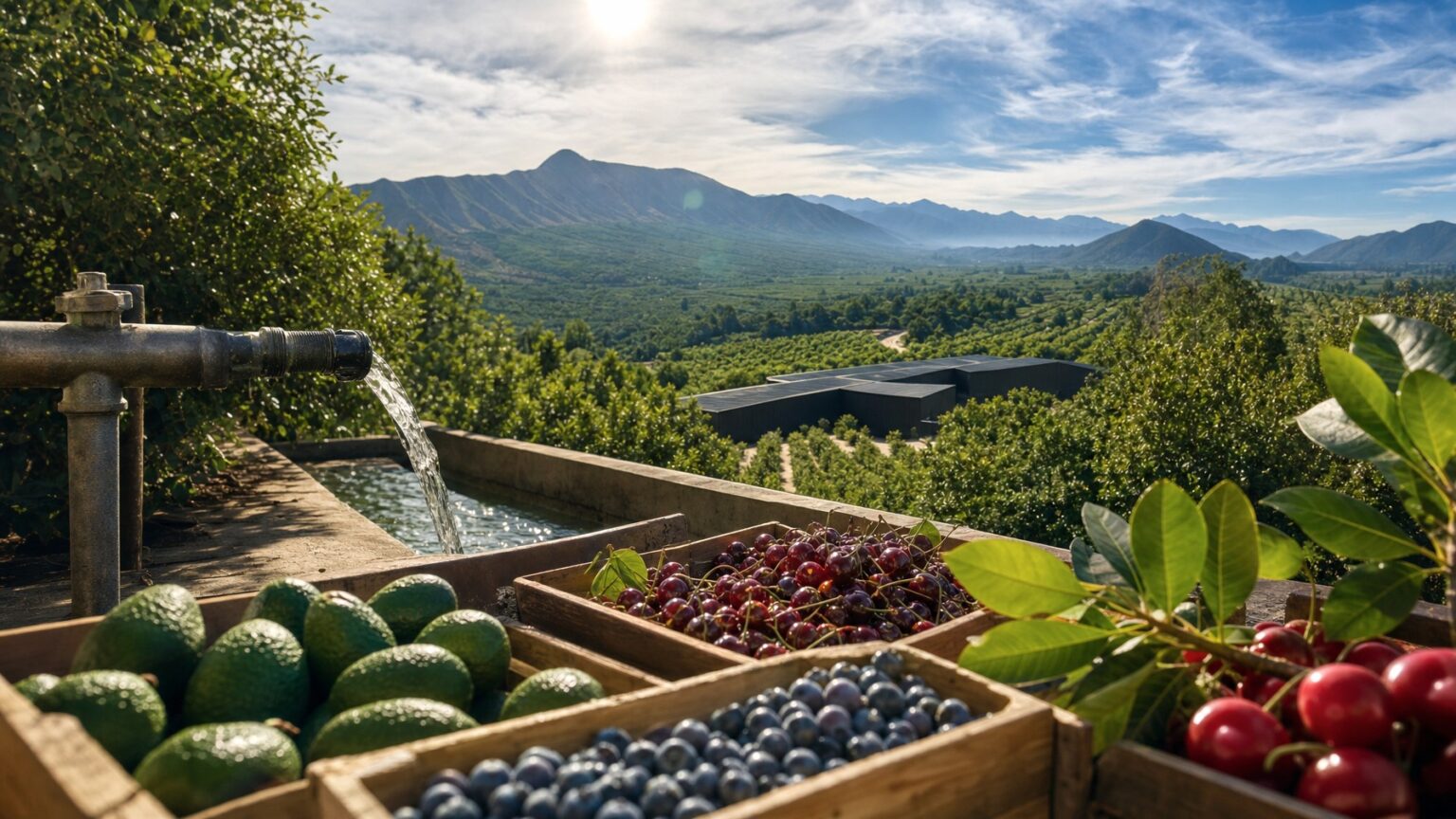
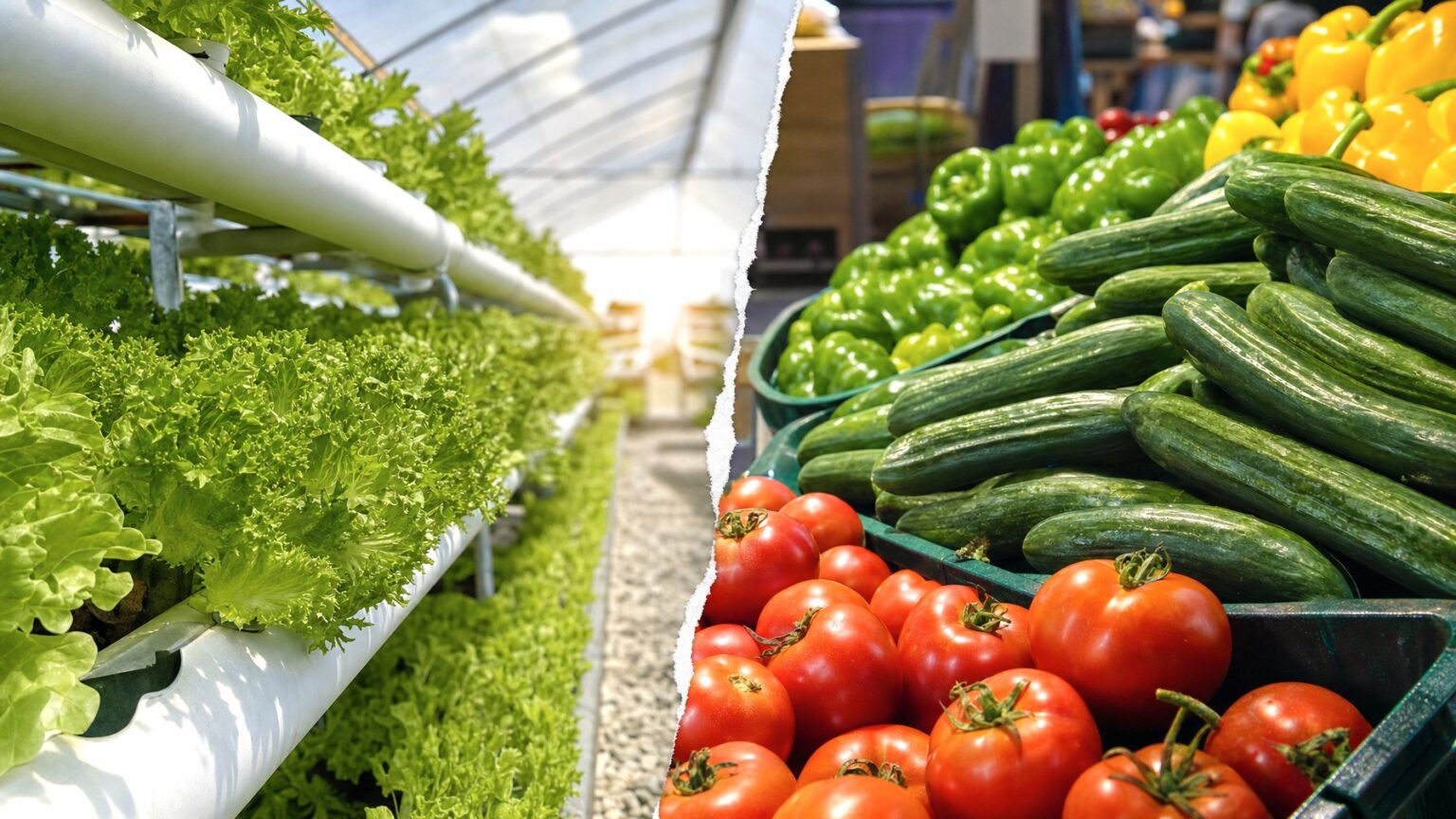
Greenhouse technology is revolutionizing the produce industry by enabling year-round production and enhancing crop yields.
Advances in climate control, lighting, and water management allow growers to produce high-quality fruits and vegetables regardless of external weather conditions.
This trend is particularly significant for regions with harsh climates or limited growing seasons.
By leveraging greenhouse technology, growers can increase output and reduce dependency on traditional farming cycles.
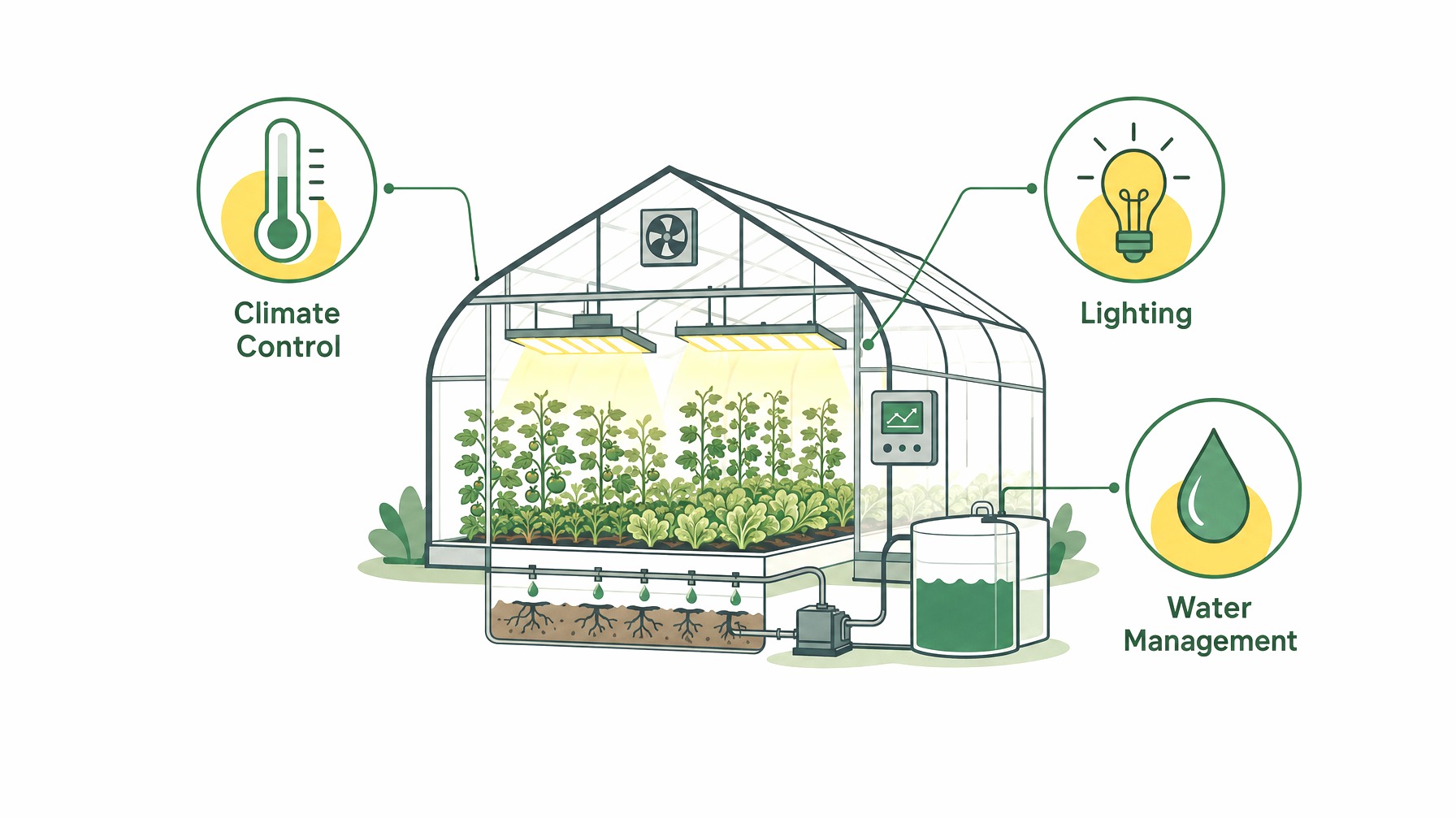
- Invest in advanced climate control systems.
- Utilize energy-efficient lighting solutions.
- Incorporate smart water management techniques.
Retailers can benefit from the consistent supply of fresh produce, which helps stabilize pricing and meet consumer demand.
Emphasizing the technological innovations behind greenhouse-grown produce can attract tech-savvy consumers and enhance brand reputation.
4. Emphasis on Seasonal Marketing
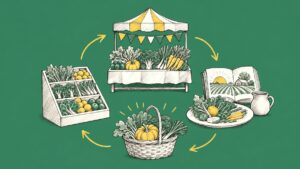
Seasonal marketing campaigns are becoming increasingly sophisticated as retailers aim to capitalize on peak produce periods.
Highlighting seasonal items not only attracts consumers but also helps manage inventory levels and reduce waste.
Effective seasonal marketing involves creative storytelling and strategic promotions that align with consumer interests and seasonal availability.
This approach encourages shoppers to try new products and increases overall sales.
- Create visually appealing seasonal displays.
- Offer promotions that align with seasonal themes.
- Utilize digital marketing to reach broader audiences.
By focusing on seasonal produce, retailers can create a sense of urgency and exclusivity, encouraging consumers to purchase while supplies last.
This strategy also supports local growers by boosting demand during peak seasons.
5. Focus on Sustainability Initiatives
Sustainability is a driving force in the produce industry, influencing everything from farming practices to packaging solutions.
Consumers are increasingly concerned about the environmental impact of their food choices, prompting industry leaders to adopt more sustainable practices.
Efforts to reduce waste, conserve water, and minimize carbon emissions are at the forefront of this trend.
Innovative packaging solutions that reduce plastic use and enhance recyclability are gaining traction.
- Implement water-saving irrigation techniques.
- Adopt biodegradable packaging solutions.
- Educate consumers on sustainability efforts.
By prioritizing sustainability, produce professionals can meet consumer expectations and contribute to environmental preservation.
Retailers can differentiate themselves by showcasing their commitment to eco-friendly practices.
6. Expansion of Fresh-Cut Offerings
The fresh-cut produce segment is expanding as consumers seek convenience and healthy options.
Pre-packaged, ready-to-eat fruits and vegetables cater to busy lifestyles and are increasingly popular in retail settings.
For retailers, offering a diverse range of fresh-cut products can enhance the shopping experience and drive sales growth.
Ensuring quality and freshness is paramount, requiring efficient supply chain management and cold storage solutions.
- Introduce a variety of fresh-cut options.
- Ensure proper storage to maintain freshness.
- Highlight the convenience of ready-to-eat produce.
Marketing fresh-cut offerings as time-saving and healthy can attract health-conscious consumers looking for convenience without compromising on nutrition.
Retailers should leverage digital platforms to promote these products and engage with a wider audience.
7. Integration of Digital and E-commerce Platforms
Digital innovation is transforming how produce is sold and marketed.
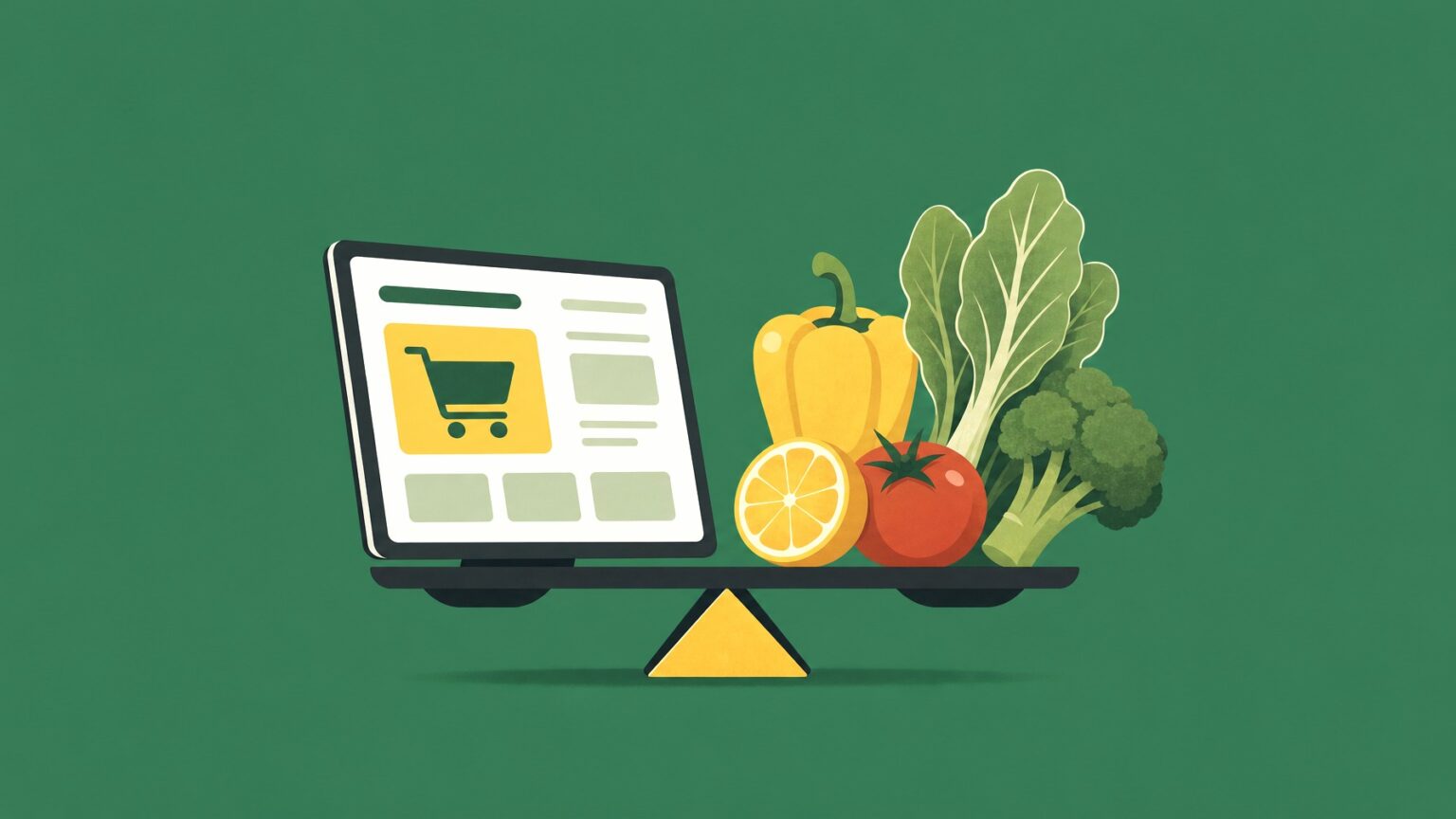
The integration of e-commerce platforms allows retailers to reach a broader audience and offer personalized shopping experiences.
This trend is particularly relevant as online grocery shopping continues to gain popularity.
Retailers are leveraging data analytics to understand consumer preferences and optimize inventory management.
Personalized marketing campaigns, based on consumer data, can enhance customer engagement and loyalty.
- Develop user-friendly e-commerce platforms.
- Utilize data analytics for targeted marketing.
- Offer convenient delivery options for online shoppers.
By embracing digital tools, produce professionals can streamline operations and enhance customer satisfaction.
The integration of technology into the supply chain also opens new avenues for innovation and efficiency.