Engaging stakeholders in agricultural policy-making is not just beneficial but essential for effective governance and sustainable growth.
The fresh produce industry, with its complex supply chains and diverse stakeholders, necessitates a collaborative approach to policy formulation.
By involving all parties, from growers to retailers, the industry can ensure that policies are both practical and impactful.
Stakeholders in the produce industry include a range of professionals such as growers, distributors, marketers, and retailers, all of whom have a vested interest in how policies are shaped.
Their insights and experiences are invaluable in crafting legislation that supports industry needs while promoting growth and sustainability.
The complexity of agricultural policy means that engagement requires strategic planning and execution.
This involves understanding stakeholder needs, building strong communication channels, and leveraging technology to facilitate participation.
In this article, we explore eight strategies to enhance stakeholder engagement in agricultural policy.
1. Establish Clear Communication Channels
Effective communication is the cornerstone of stakeholder engagement.
Establishing clear and open channels of communication allows stakeholders to express their concerns and contribute ideas.
This can be achieved through regular meetings, newsletters, and dedicated communication platforms.
By maintaining open lines of communication, stakeholders can stay informed about policy developments.
This transparency builds trust and encourages active participation.
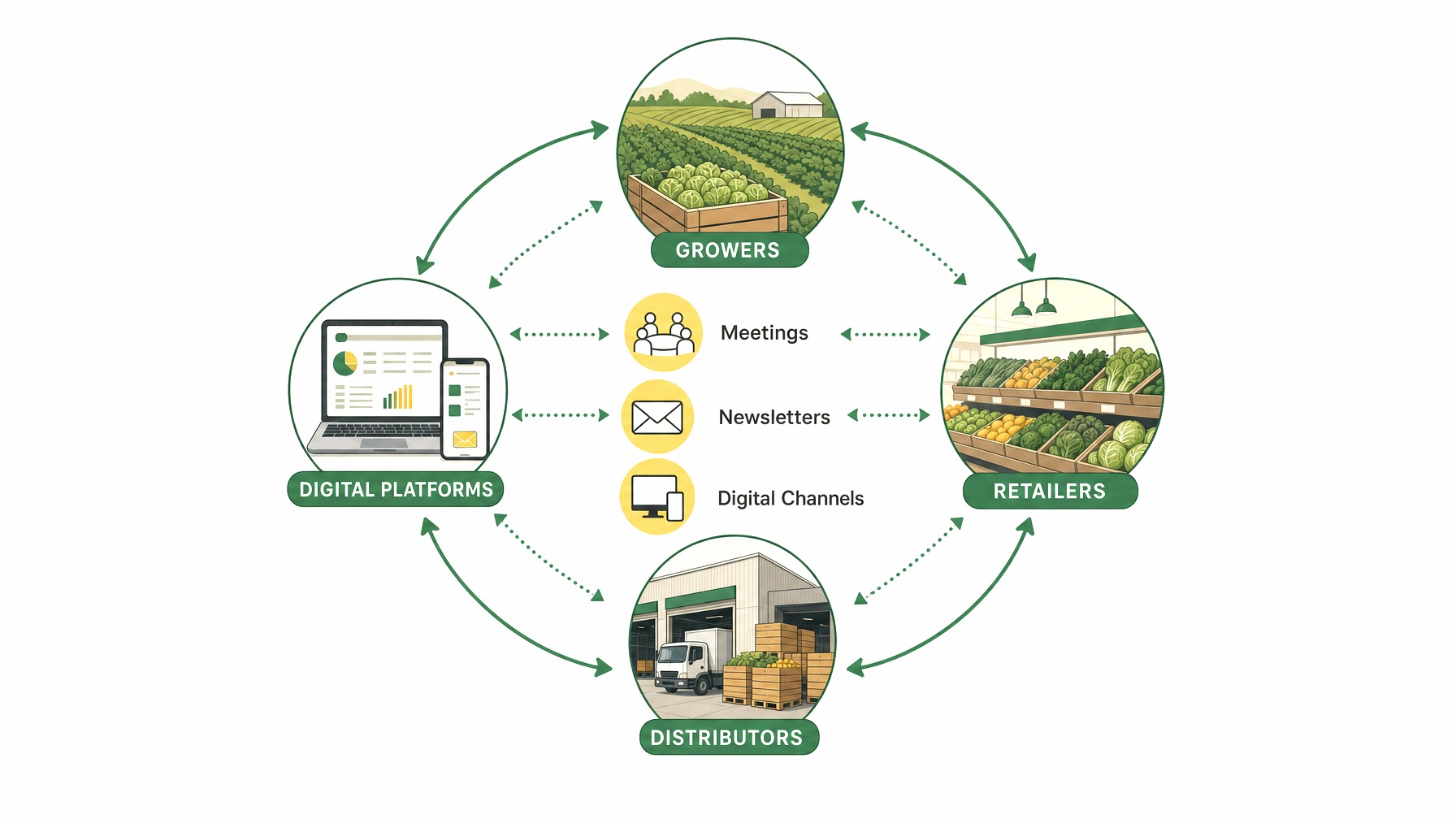
It’s important to tailor communication methods to suit the preferences of different stakeholders, ensuring inclusivity.
- Host regular stakeholder meetings
- Distribute newsletters with policy updates
- Utilize digital platforms for broader reach
Adopting digital solutions such as webinars and online forums can further enhance communication efforts.
These platforms facilitate real-time discussions and feedback, making it easier for stakeholders to engage with policy processes.
2. Build Strong Coalitions
Forming coalitions with other organizations and sectors can magnify the impact of stakeholder engagement efforts.
Coalitions bring together diverse perspectives and resources, strengthening the collective voice in policy discussions.
In the produce industry, coalitions can include farmers’ associations, industry groups, and consumer advocates.
By collaborating, these groups can push for policies that benefit a wider range of interests.
- Identify common goals among stakeholders
- Foster partnerships with industry groups
- Coordinate joint advocacy efforts
Successful coalitions rely on strong leadership and a clear vision.
Establishing a shared agenda and setting measurable objectives can help maintain focus and drive results.
3. Leverage Digital Platforms
In today’s digital age, leveraging technology is crucial for effective stakeholder engagement.
Digital platforms can facilitate broader participation by overcoming geographical barriers and reaching a wider audience.
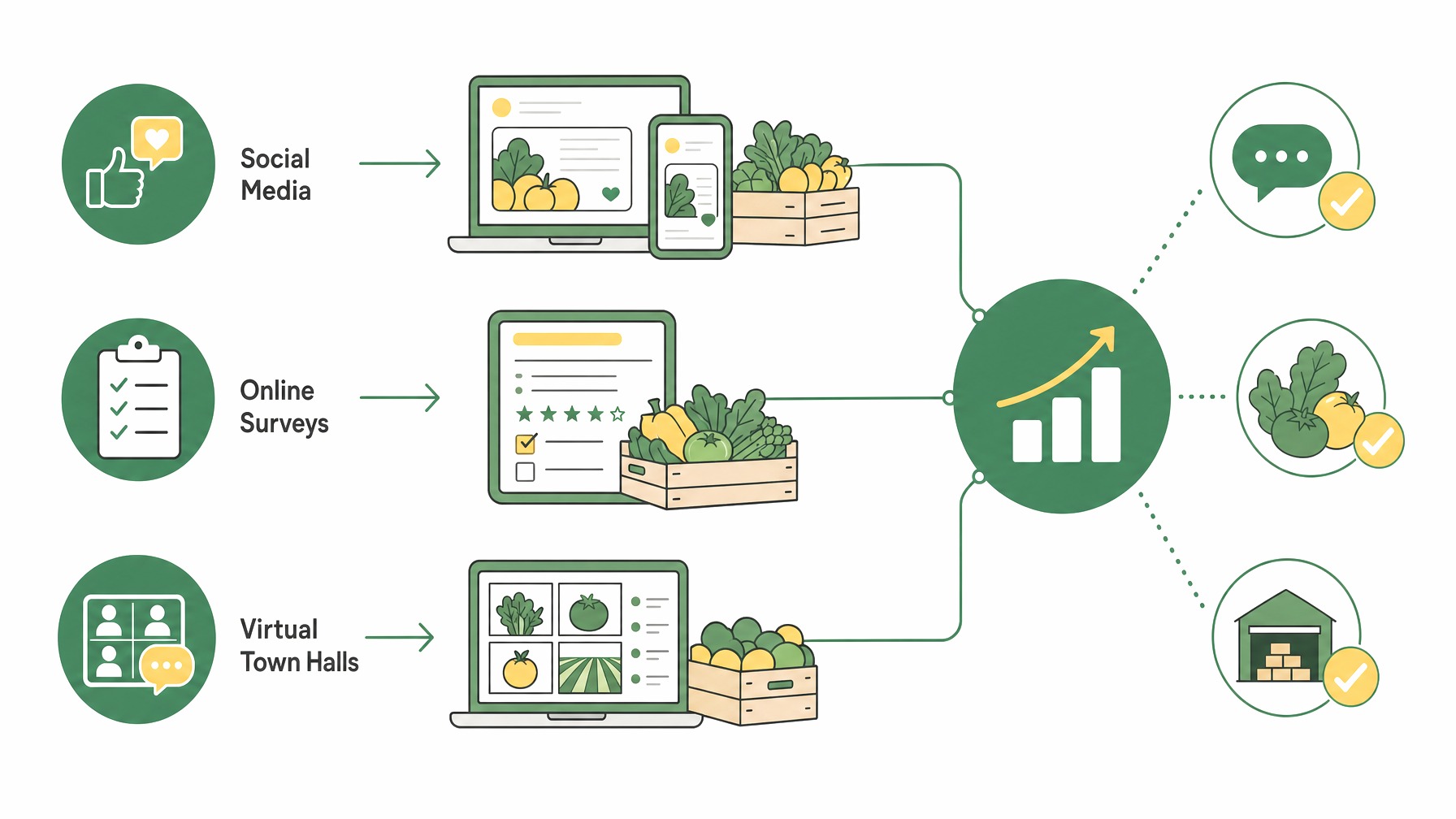
Social media, online surveys, and virtual town halls are powerful tools for engaging stakeholders.
These platforms allow for real-time interaction and feedback, enabling a more dynamic dialogue between stakeholders and policymakers.
- Utilize social media for awareness campaigns
- Conduct online surveys for feedback
- Host virtual town halls to discuss policies
Digital platforms also offer the advantage of data collection and analysis, providing valuable insights into stakeholder preferences and concerns.
This data can guide policy adjustments to better align with industry needs.
4. Encourage Stakeholder Education
Educating stakeholders about the intricacies of agricultural policy is essential for meaningful engagement.
An informed stakeholder is more likely to contribute constructively to policy discussions and decisions.
Educational initiatives can include workshops, seminars, and informational resources.
These efforts should focus on explaining policy implications, processes, and the role of stakeholders in shaping outcomes.
- Organize educational workshops
- Develop comprehensive policy guides
- Facilitate seminars on industry trends
By enhancing stakeholder understanding, the industry can foster a more engaged and proactive community.
This, in turn, leads to more informed policy decisions that reflect the realities of the produce sector.
5. Foster Transparency and Accountability
Transparency and accountability are key to building trust among stakeholders.
By being open about policy processes and decisions, stakeholders are more likely to feel valued and respected.
Implementing transparent decision-making processes and providing regular updates on policy progress can enhance stakeholder confidence.
Accountability mechanisms, such as public reporting, can further reinforce trust.
- Implement transparent decision-making processes
- Provide regular updates on policy progress
- Establish accountability mechanisms
Transparent practices not only build trust but also encourage stakeholder buy-in.
This can lead to more robust and widely supported policy outcomes.
6. Solicit Feedback and Incorporate Suggestions
Actively soliciting feedback from stakeholders and incorporating their suggestions is vital for effective policy-making.
This approach ensures that policies are responsive to the needs of those they impact.
Feedback mechanisms can include surveys, focus groups, and public consultations.
It’s crucial to demonstrate that stakeholder input is valued by showing how it influences policy decisions.
- Conduct surveys to gather stakeholder input
- Organize focus groups for in-depth discussions
- Hold public consultations to solicit feedback
Incorporating stakeholder suggestions not only improves policy relevance but also fosters a sense of ownership and commitment among stakeholders.
7. Monitor and Evaluate Engagement Efforts
Monitoring and evaluating engagement efforts is essential to ensure their effectiveness.
By assessing the impact of these efforts, the industry can refine strategies and improve future engagement.
Evaluation should focus on measuring stakeholder participation levels, satisfaction, and the influence of engagement on policy outcomes.
This data can guide adjustments to enhance engagement efforts.
- Measure stakeholder participation levels
- Assess stakeholder satisfaction
- Evaluate policy impact of engagement
Continuous improvement of engagement strategies ensures that the industry remains responsive to stakeholder needs and continues to foster meaningful involvement.
8. Advocate for Long-Term Relationships
Building long-term relationships with stakeholders is crucial for sustained engagement.
Long-term relationships foster trust and collaboration, enabling more effective policy-making over time.
Strategies to build long-term relationships include consistent communication, recognizing stakeholder contributions, and maintaining an open dialogue.
These efforts create a strong foundation for ongoing collaboration.
- Maintain consistent communication with stakeholders
- Recognize and acknowledge stakeholder contributions
- Keep an open dialogue for continuous collaboration
By investing in long-term relationships, the industry can ensure that stakeholder engagement remains a central component of policy development, driving better outcomes for all involved.
The Bottom Line
Engaging stakeholders in agricultural policy is essential for effective governance and industry growth.
By implementing these eight strategies, the fresh produce industry can ensure that policies reflect the needs of all stakeholders.
From establishing clear communication channels to leveraging digital platforms, each strategy plays a crucial role in fostering meaningful engagement.
These efforts not only enhance policy relevance but also strengthen stakeholder trust and collaboration.
As the industry continues to evolve, maintaining robust stakeholder engagement will be key to navigating future challenges and opportunities.
By prioritizing engagement, the produce sector can drive sustainable growth and innovation.