The United States is experiencing a significant surge in fresh fruit imports, a trend underscored by a 32 percent decline in domestic fruit production since 2010.
According to the American Farm Bureau Federation (AFBF), the volume of imports has increased by 69 percent over the same period, highlighting a shift in the fruit supply landscape.
This change is not driven by increased domestic demand, as the U.S. population has grown by only 10 percent, but rather by rising costs in domestic production.
Between 2020 and 2025, the cost of growing fruit in the U.S. has seen a steep increase, with pesticide costs rising by 25 percent, fuel by 31 percent, fertilizer by 37 percent, and labor costs climbing nearly 50 percent.
The average cash expenses for specialty crop farms reached $466,000 in 2023, marking a 47 percent increase from 2021.
- US fresh fruit imports rose 69% since 2010.
- Domestic fruit production declined 32% over the same period.
- Growing costs hinder domestic producers’ competitiveness.
- Imports comprised 59% of US fresh fruit in 2023.
- Foreign supply exposes US market to external vulnerabilities.
These escalating expenses have made it increasingly difficult for domestic producers to compete, leading to a contraction in domestic fruit supply and a growing reliance on imports to fill the gap.
In 2023, imports accounted for 59 percent of the fresh fruit available in the U.S., compared to 50 percent in 2007, as reported by the U.S. Department of Agriculture (USDA).
This shift has resulted in what USDA economists term as “market window creep”, where imports are arriving earlier and staying longer, intensifying competition during critical periods for domestic growers.
Historically, these early and late weeks have been crucial for domestic producers to achieve the prices necessary for a profitable season.
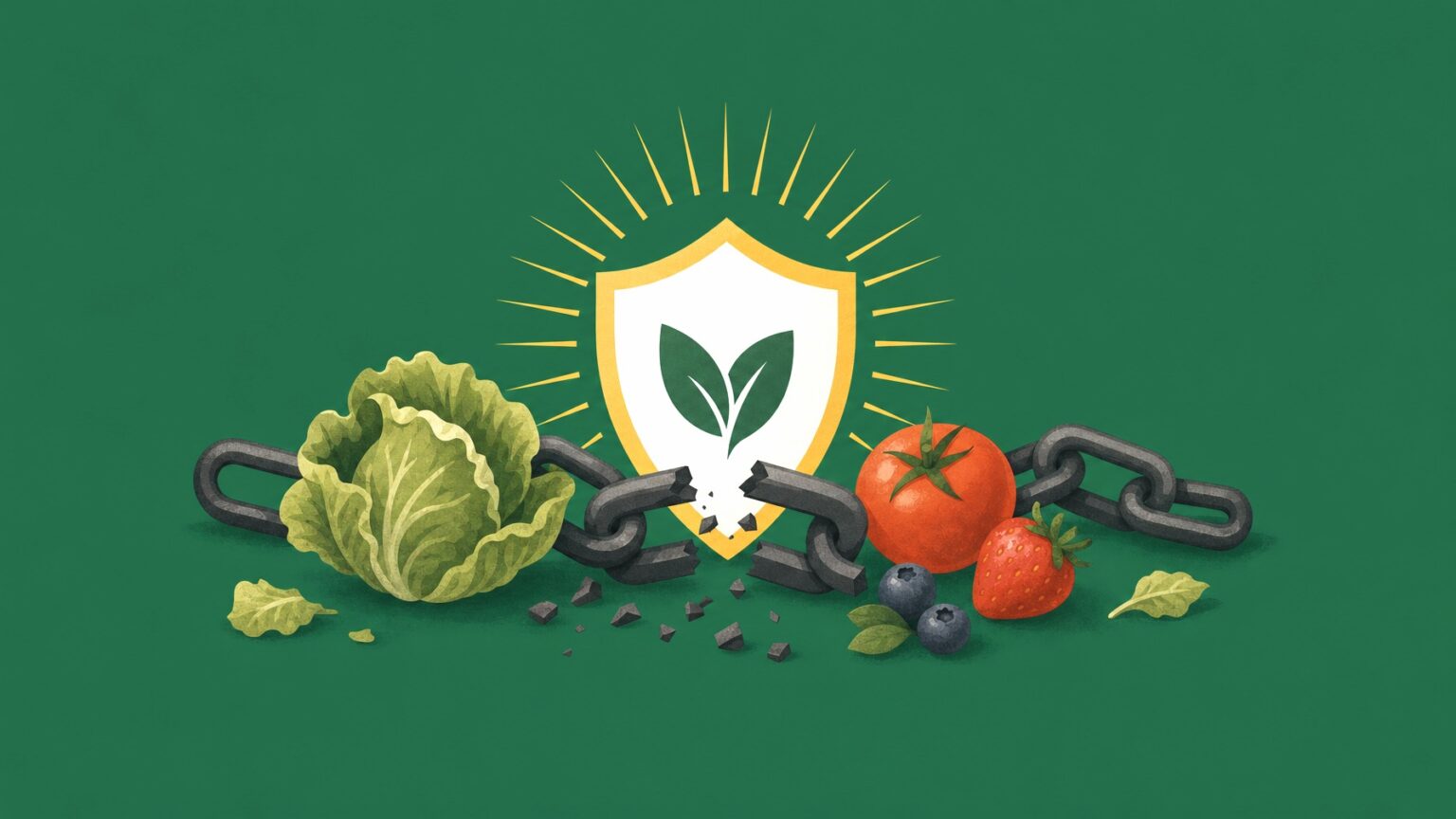
The AFBF warns that while trade is necessary to meet U.S. fruit demand, the diminishing domestic production base leaves the U.S. fruit supply more vulnerable to external factors such as weather disruptions, political instability, and food safety concerns abroad.
As the industry adapts to these challenges, the balance between imports and domestic production will continue to shape the future of the U.S. fresh fruit market.
Ensuring a stable and resilient fruit supply will require strategic measures to support domestic growers while managing reliance on imports.