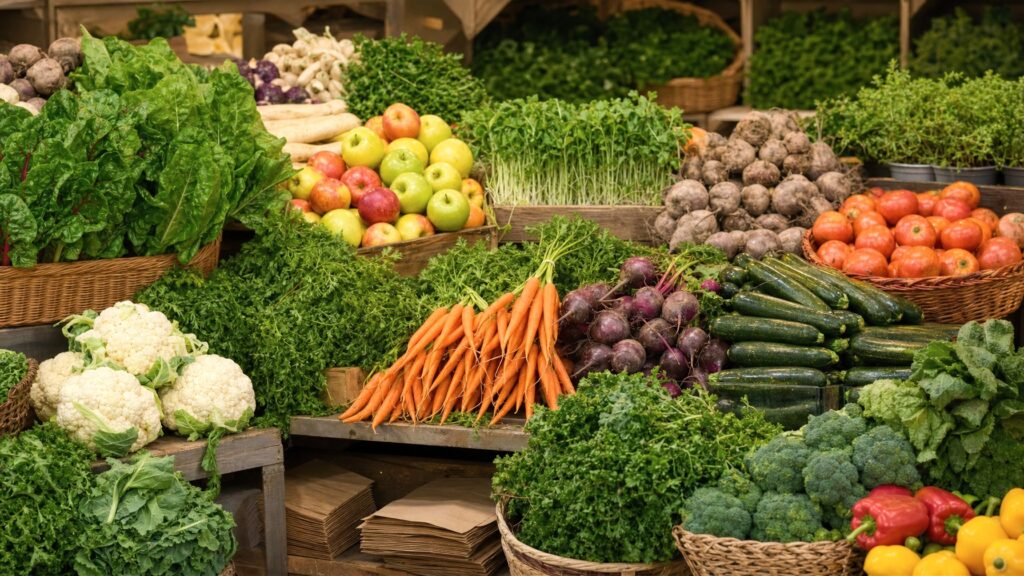
In today’s produce market, consumer awareness of sustainability is steadily growing.
Educating consumers on sustainable produce choices not only enhances brand loyalty but also drives market demand.
The challenge lies in effectively communicating these concepts in a way that resonates with shoppers.
As fresh produce professionals, it’s crucial to engage consumers on sustainability.
Creative strategies can transform how consumers perceive and value sustainable produce.
By doing so, the industry can benefit from increased sales and a stronger market presence.
This article explores six innovative approaches to educate consumers about sustainable produce choices.
These methods aim to foster a deeper understanding of sustainability, encouraging more eco-conscious buying habits.
1. Interactive Store Displays
Interactive displays can engage consumers right at the point of purchase.
These displays should highlight the sustainable practices behind the produce.
Use technology to create digital boards that show the story of the produce, from farm to shelf.
Include information about the environmental benefits and sustainable farming methods used.
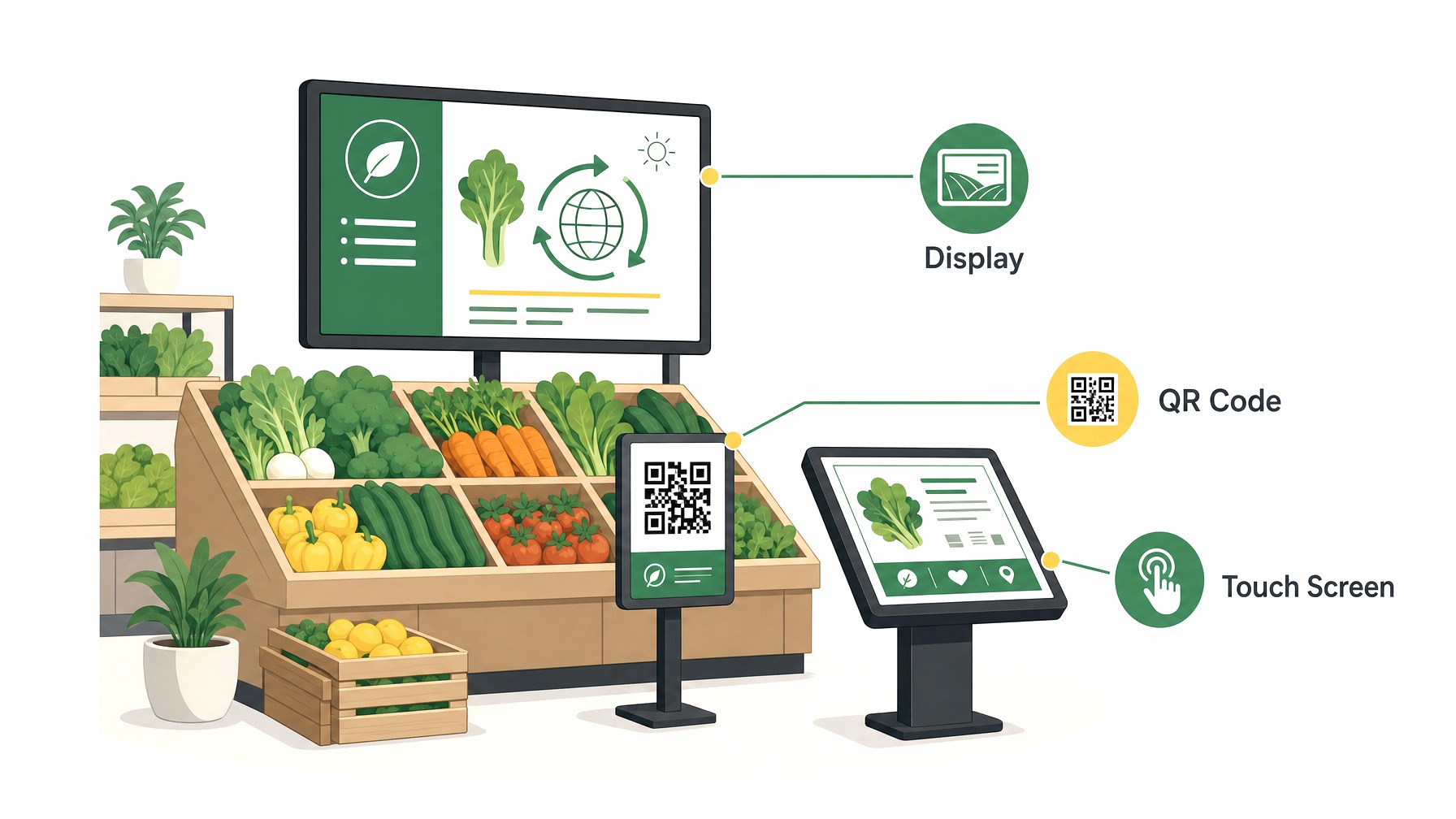
- QR codes linking to educational videos
- Touch screens with interactive quizzes
- Augmented reality experiences
These interactive elements can captivate shoppers, making the learning process both enjoyable and informative.
By installing these displays, retailers can transform a typical shopping trip into an educational experience, promoting informed purchasing decisions.
2. Sustainable Produce Workshops
Hosting workshops is another effective way to educate consumers.
These events can focus on the importance of choosing sustainable produce and offer practical tips for incorporating it into daily life.
Workshops can be held in-store or at local community centers, providing hands-on experiences and direct interaction.
- Cooking demonstrations using sustainable produce
- Informative sessions on reading produce labels
- Discussion panels with local farmers
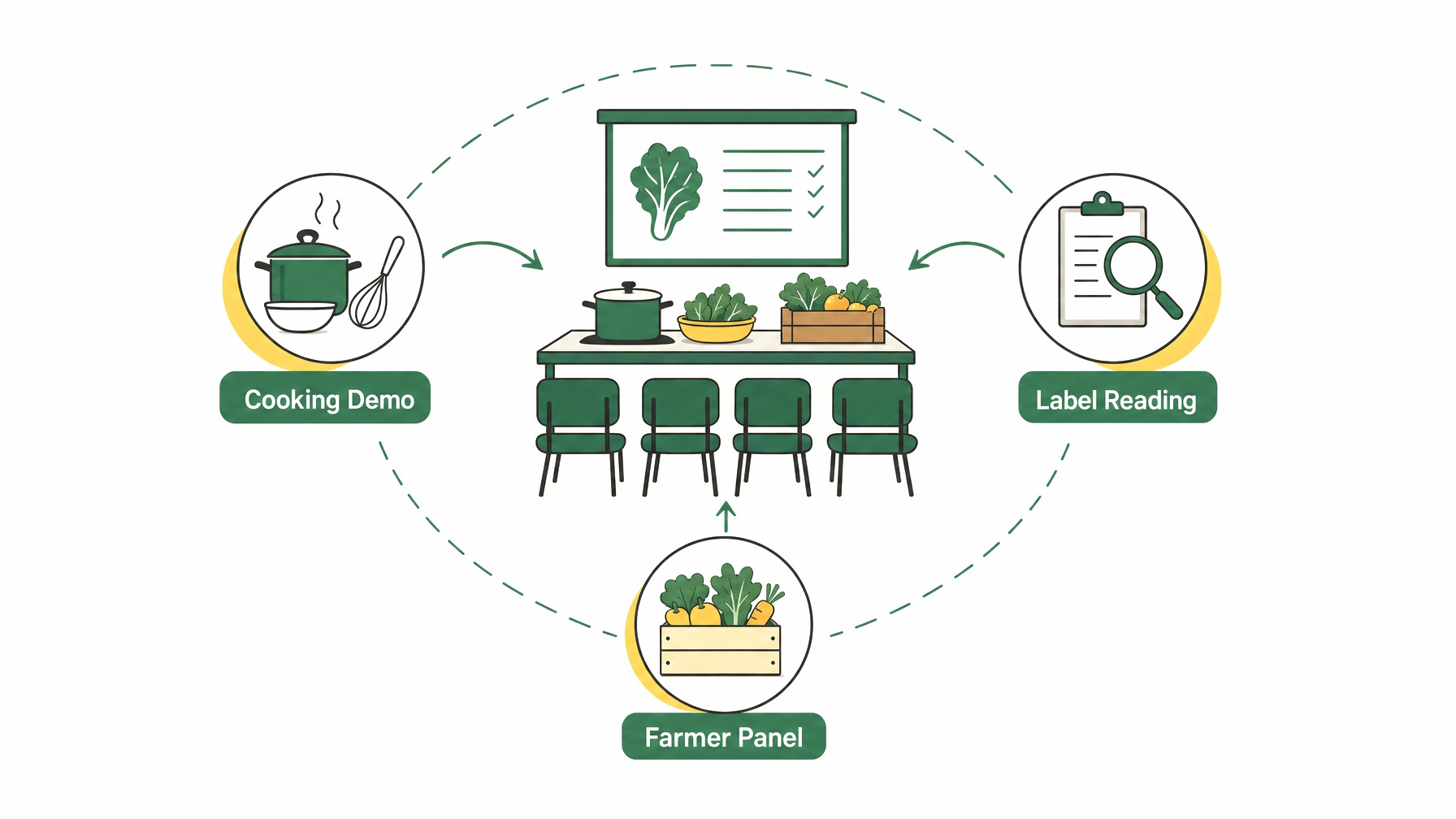
These workshops not only inform but also build a sense of community among participants.
They position your brand as a leader in sustainability education.
Through active participation, consumers are more likely to remember the information and apply it in their shopping routines.
3. Educational Content on Packaging
Packaging serves as a direct communication channel to consumers.
Adding educational content to packaging can inform buyers about the sustainability of the produce.
Include concise, impactful messages that highlight eco-friendly aspects.
Utilize graphics and icons to make the information easily digestible.
- Infographics about carbon footprint reduction
- Labels indicating sustainable certifications
- Tips for reducing food waste at home
By leveraging packaging, you can reach consumers effectively, even after they leave the store.
This approach reinforces the sustainability message and encourages repeat purchases.
4. Collaborations with Influencers
Partnering with influencers who advocate for sustainability can amplify your message.
Influencers can reach wide audiences and lend credibility to your sustainability efforts.
Choose influencers whose values align closely with your brand’s.
This ensures authenticity and fosters genuine engagement.
- Social media campaigns featuring sustainable recipes
- Live events and Q&A sessions
- Collaborative content like blogs and videos
Influencers can effectively communicate the benefits of sustainable produce, driving awareness and interest among their followers.
These partnerships can significantly boost your brand’s visibility and reinforce its commitment to sustainability.
5. Sustainability-Focused Loyalty Programs
Loyalty programs that reward sustainable choices can incentivize consumers to opt for eco-friendly produce.
These programs can be tailored to encourage frequent purchases of sustainable items.
Implement point systems that offer rewards for buying sustainable produce.
Provide exclusive discounts or gifts for consistent sustainable choices.
- Points for purchasing organic or local produce
- Rewards for using reusable bags
- Exclusive offers on compostable packaging
Such programs not only promote sustainability but also enhance customer loyalty.
They create a positive feedback loop, rewarding consumers for making environmentally conscious choices.
6. Storytelling Through Digital Content
Digital content is a powerful tool for storytelling.
Use it to share the journey of produce from farm to table, emphasizing sustainability at every step.
Create engaging content that highlights the farmers, practices, and benefits behind sustainable produce.
Utilize various formats like videos, articles, and infographics.
- Behind-the-scenes farm tours
- Interviews with sustainable farming experts
- Infographics explaining supply chain impacts
Digital storytelling can make the concept of sustainability relatable and compelling.
It helps consumers connect emotionally with the produce, fostering a deeper appreciation for sustainable choices.
The Bottom Line
Educating consumers on sustainable produce choices is essential for driving market demand and fostering brand loyalty.
Each approach outlined here offers a unique way to engage and inform consumers.
By implementing these strategies, produce professionals can inspire more eco-conscious consumer behavior, ultimately benefiting the industry and the environment.
Innovative education methods can transform consumer perceptions, making sustainability a central aspect of their shopping decisions.
Through creativity and commitment, the produce industry can lead the way in promoting sustainable practices.