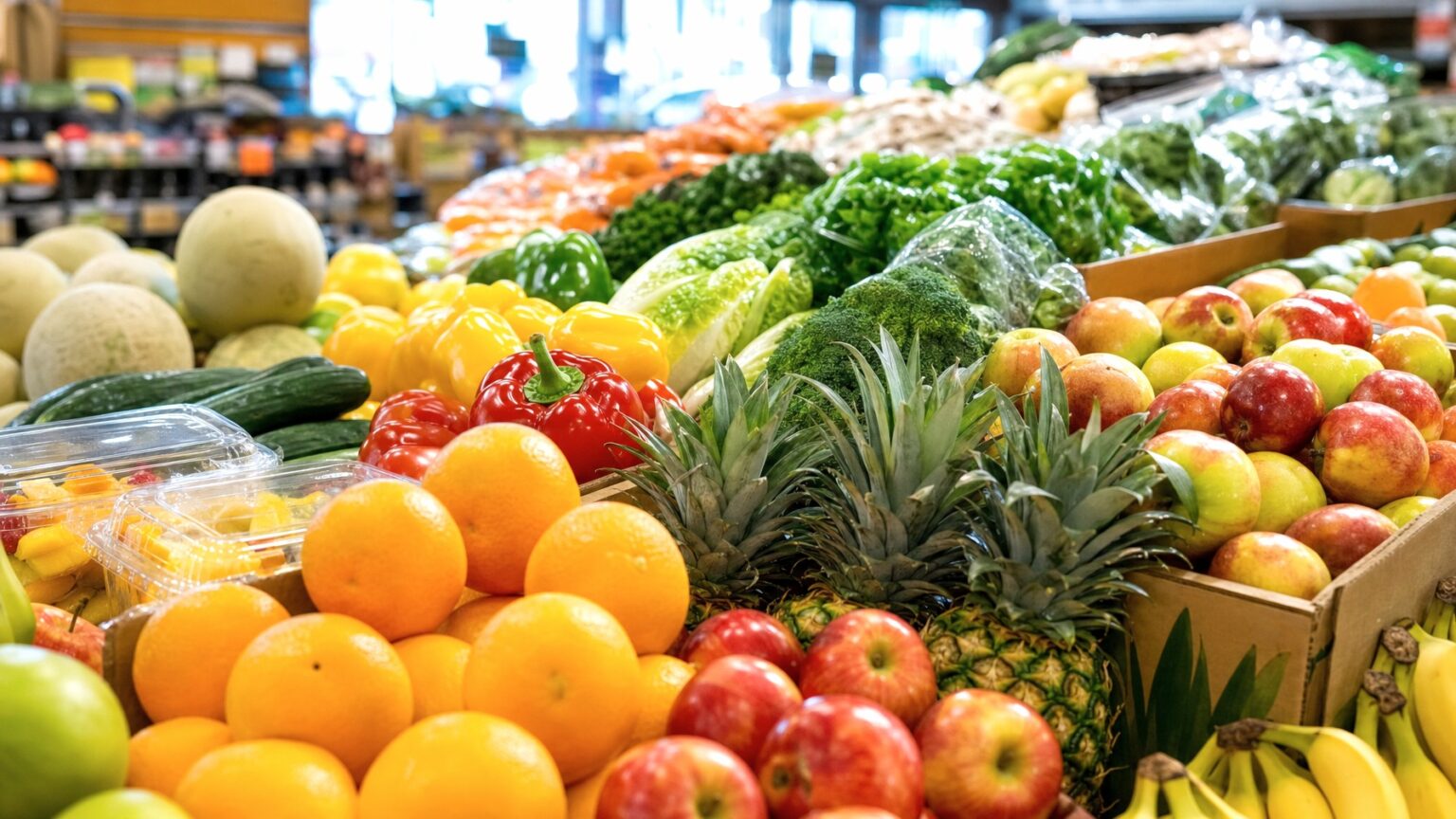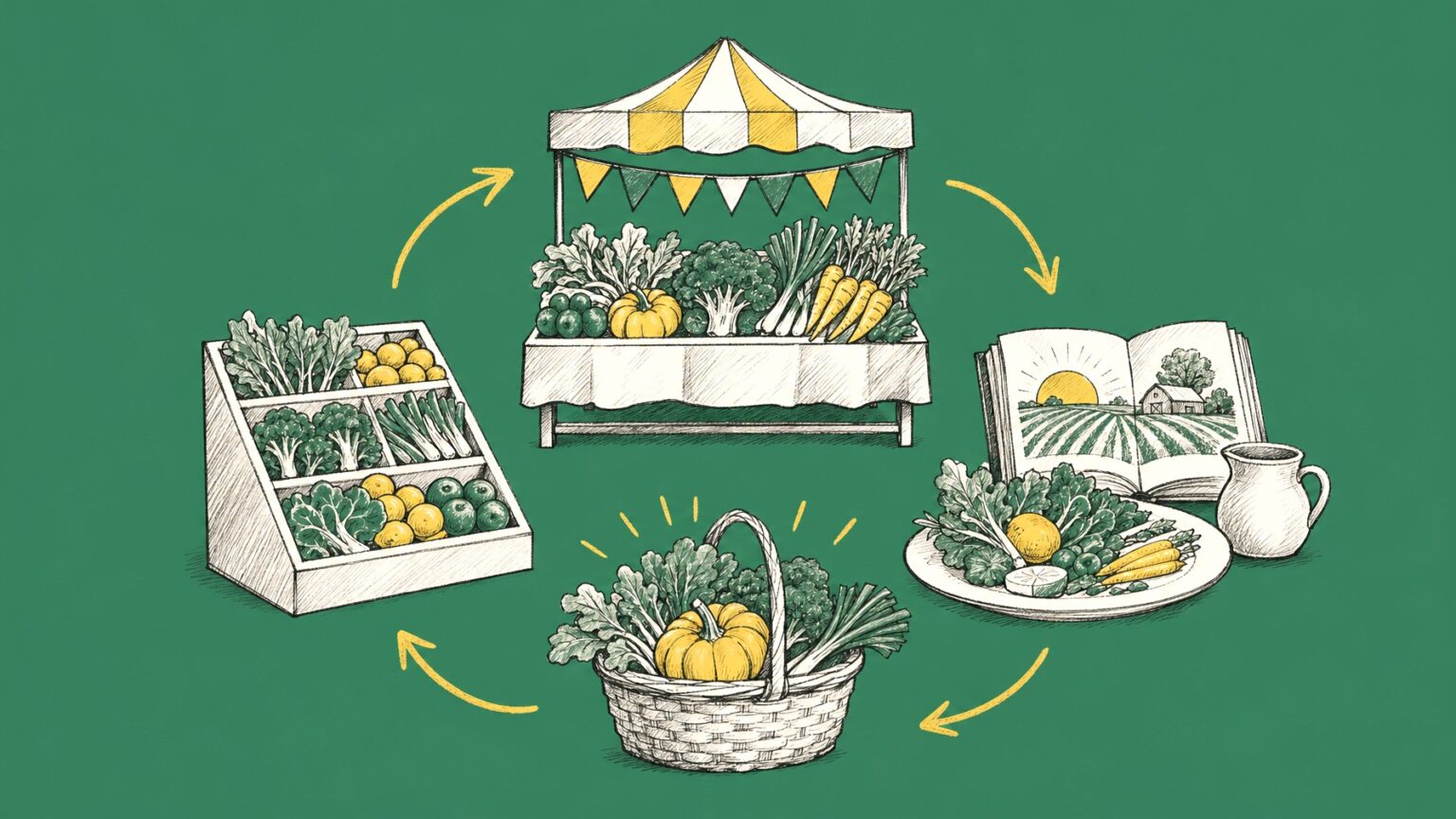
More than one-third of American households have reduced their fresh produce purchases due to inflation, according to a recent survey conducted by Advance America.
The financial services firm attributed this decline to a six percent increase in fruit and vegetable prices over the past year.
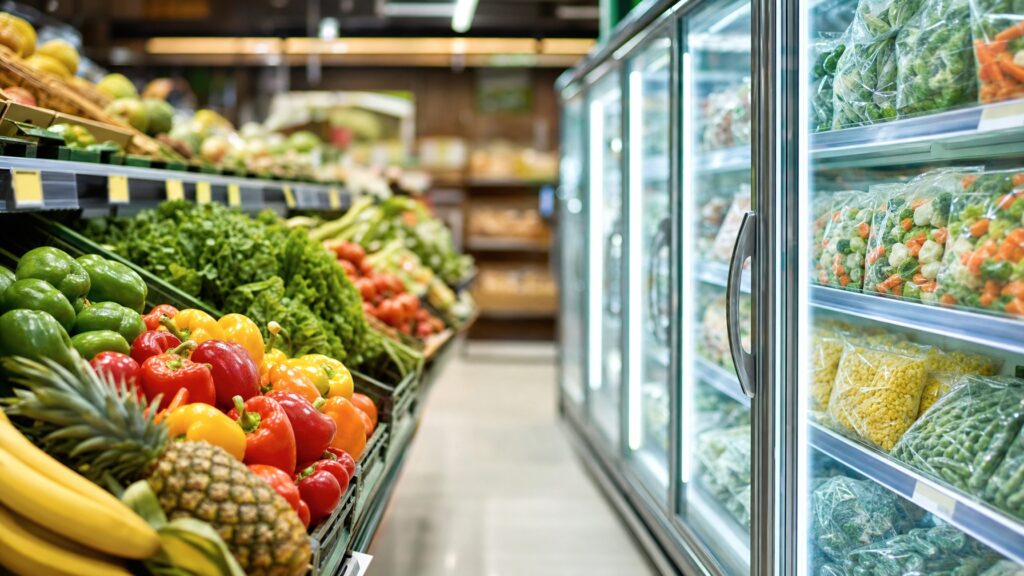
As a result, about 20 percent of respondents indicated they had switched from fresh to frozen produce in the same period.
Additionally, nine percent reported turning to canned produce, while another nine percent said they no longer buy certain fruits.
The survey also found that six percent of consumers have replaced fresh produce with more affordable processed foods.
- One-third of American households cut fresh produce purchases due to inflation.
- Fresh fruit and vegetable prices increased by six percent over the past year.
- Twenty percent of consumers switched to frozen produce alternatives.
- Household reductions in fresh produce varied significantly across states.
- Food prices continue to remain above historical averages despite moderated inflation.
This trend is not limited to specific regions, as it spans state lines, though the extent of cutbacks varies by location.
Colorado recorded the highest share of households reducing fresh produce purchases at 60 percent, followed by Alaska, Iowa, and Oregon at 50 percent each.
Meanwhile, states like Mississippi and West Virginia reported a 48 percent drop, whereas Delaware had the lowest cutback rate at 12 percent.
Advance America’s report highlights the financial decisions families are making to manage their grocery budgets.
Approximately three percent of parents revealed they had stopped buying produce for themselves to reserve it for their children.
The rising grocery costs are also affecting how consumers view their diets and overall health.
According to the assessment, 51 percent of respondents admitted their diet is less healthy than it was two to three years ago because of grocery costs.
Moreover, 64 percent expressed occasional concerns about their nutritional health, with 24 percent frequently worrying.
Consumers have also reported feeling frustrated and angry due to higher food prices.
Forty percent said grocery inflation made them feel frustrated, while 25 percent felt angry.
According to the latest United States Bureau of Labor Statistics consumer price data, food prices have remained above historical 3.5 percent averages in recent years.
Although inflation has moderated from its 2022 peak, the impact on fresh produce prices continues to push consumers towards frozen alternatives.