In the ever-evolving landscape of the produce industry, effective leadership is crucial.
Leaders in this sector face unique challenges, from managing complex supply chains to ensuring food safety and sustainability.
As the industry continues to grow and change, the need for strong leadership becomes even more pronounced.
Successful leadership in the produce industry requires a blend of traditional skills and innovative thinking.
Leaders must not only understand the nuances of fruits and vegetables but also navigate the complexities of modern supply chains and consumer demands.
This requires a strategic mindset and a knack for problem-solving.
This article delves into six leadership traits that drive success in the produce industry.
These traits are essential for anyone looking to excel in this dynamic field, whether you’re a seasoned executive or an emerging leader.
1. Visionary Thinking
A successful leader in the produce industry must be a visionary thinker.
This trait involves the ability to see beyond current challenges and envision future opportunities.
Visionary leaders anticipate changes in consumer preferences, technological advancements, and regulatory shifts.
They guide their teams by setting clear goals and developing strategic plans to achieve them.
This forward-thinking approach helps companies stay ahead of the competition and adapt to industry trends.
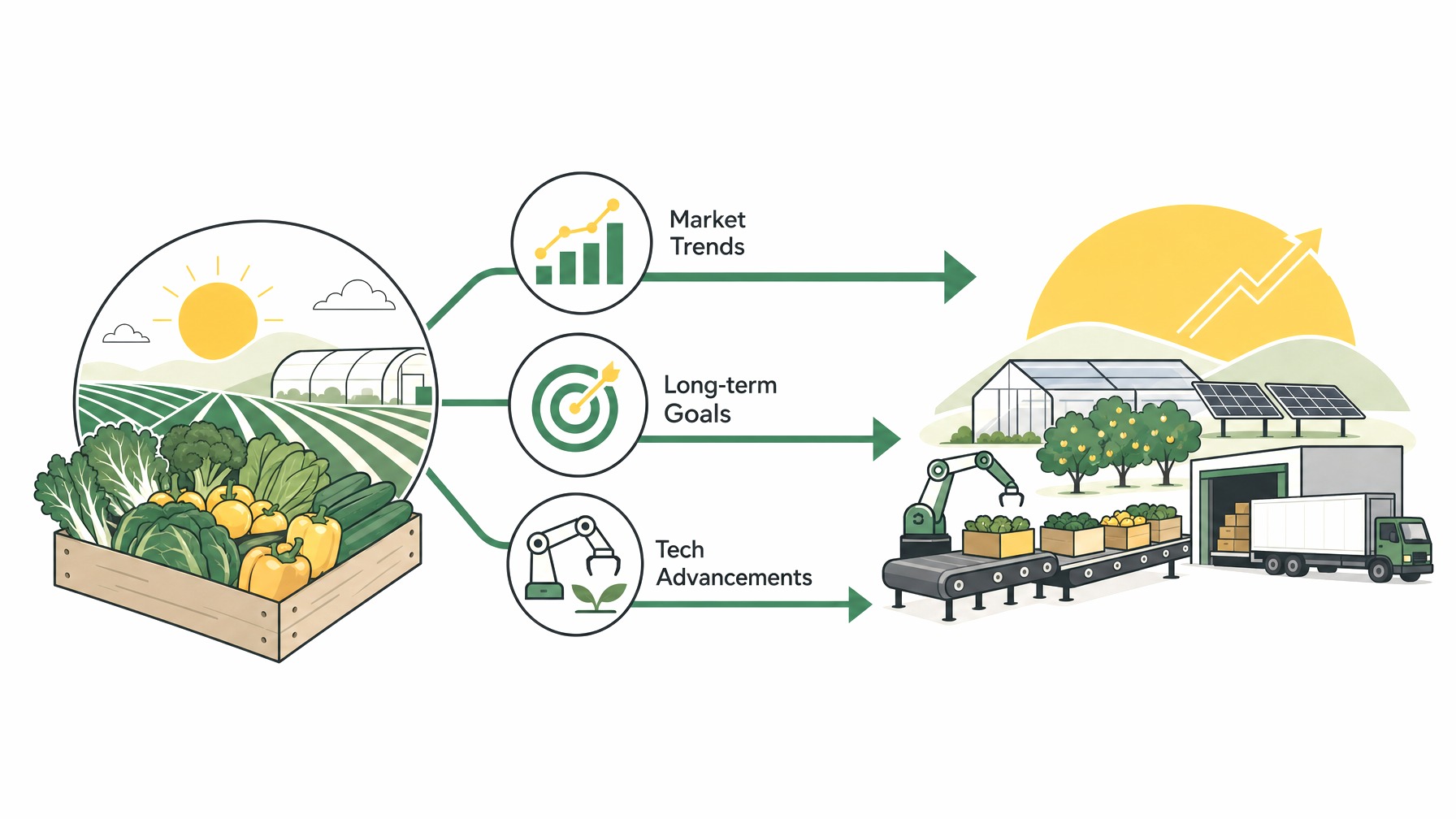
- Anticipating market trends
- Setting long-term goals
- Adapting to technological advancements
Visionary thinking also involves inspiring others.
Leaders who can articulate a compelling vision motivate their teams to strive for excellence and innovation.
This can lead to improved productivity and a more dynamic work environment.
2. Effective Communication
Effective communication is a cornerstone of successful leadership in the produce industry.
Leaders must communicate clearly with a diverse range of stakeholders, including team members, suppliers, and customers.
This trait involves not only speaking but also listening.
Leaders who actively listen to feedback can better address concerns and implement improvements.
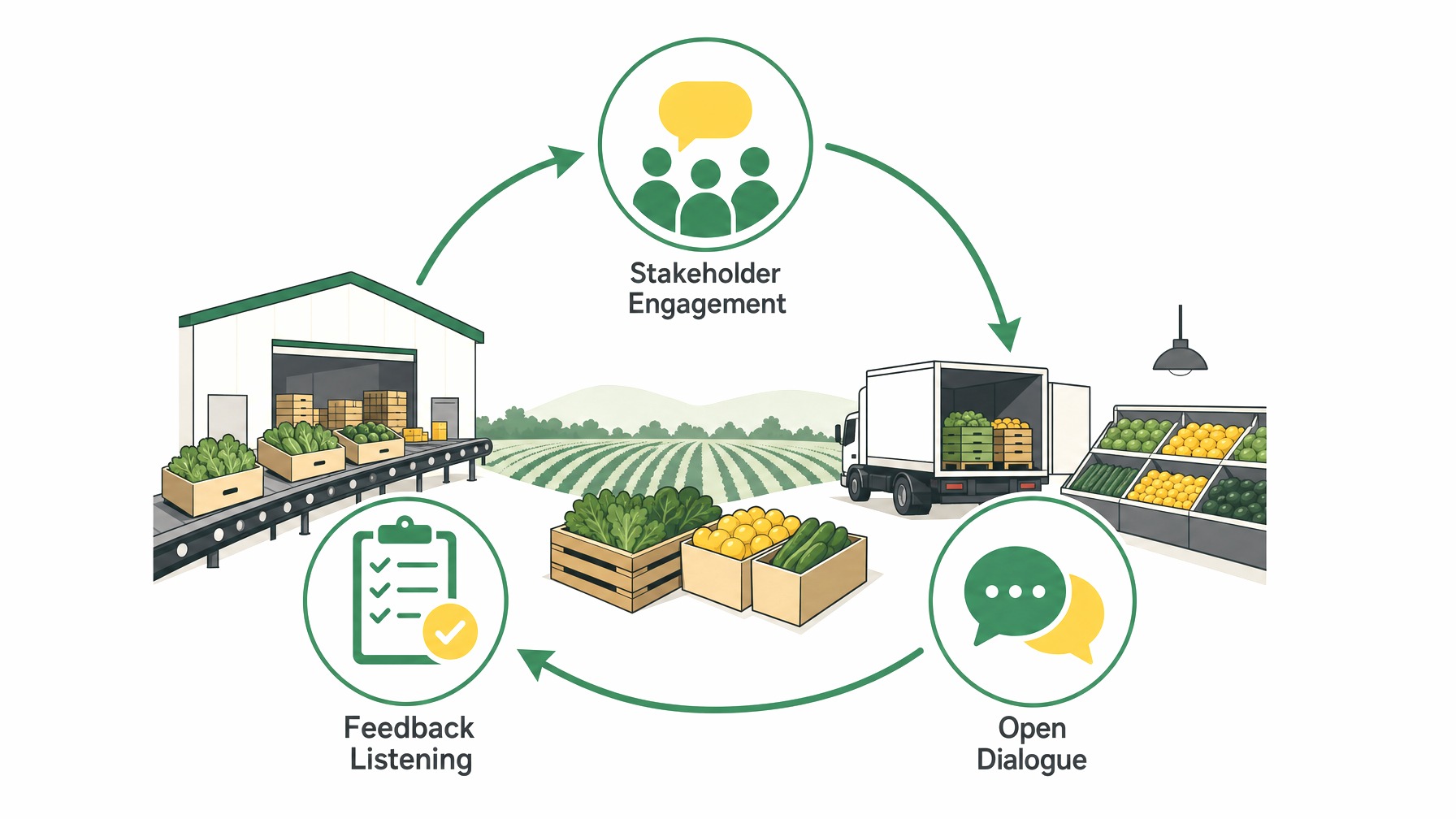
Clear communication ensures that everyone is aligned with the company’s goals and strategies.
- Engaging with stakeholders
- Facilitating open dialogue
- Listening to feedback
Moreover, effective communication fosters trust and transparency.
Leaders who communicate openly build strong relationships with their teams, leading to higher morale and a collaborative work culture.
3. Adaptability
The produce industry is constantly changing, and adaptability is a vital leadership trait.
Leaders must be able to pivot quickly in response to new challenges, such as supply chain disruptions or shifts in consumer preferences.
Adaptable leaders are open to change and willing to explore new methods and technologies.
This flexibility allows them to navigate uncertainties and seize new opportunities as they arise.
- Responding to industry changes
- Implementing innovative solutions
- Embracing new technologies
Adaptability also involves resilience.
Leaders must remain steady and focused during challenging times, providing guidance and support to their teams.
4. Commitment to Sustainability
Sustainability is a growing priority in the produce industry, and leaders must demonstrate a commitment to environmental and social responsibility.
This involves implementing sustainable practices throughout the supply chain, from farming to packaging.
Leaders who prioritize sustainability not only protect the environment but also enhance their company’s reputation and competitiveness.
Consumers increasingly prefer brands that are environmentally conscious, making sustainability a key business strategy.
- Reducing carbon footprint
- Promoting sustainable farming
- Minimizing waste
Furthermore, sustainable practices can lead to cost savings and increased efficiency, benefiting both the company and the planet.
5. Strategic Decision-Making
In a complex industry like produce, strategic decision-making is essential.
Leaders must analyze data, weigh options, and make informed decisions that align with their company’s goals.
This involves considering both short-term outcomes and long-term impacts.
Strategic leaders balance risk with reward, ensuring that their decisions contribute to the company’s growth and sustainability.
- Conducting thorough analyses
- Evaluating risks and rewards
- Aligning decisions with goals
Strategic decision-making also requires collaboration.
Leaders should seek input from their teams and leverage diverse perspectives to make the best choices.
6. Focus on Innovation
Innovation is a driving force in the produce industry, and leaders must foster a culture of creativity and experimentation.
This involves encouraging team members to explore new ideas and approaches.
Innovative leaders support research and development, invest in new technologies, and embrace change.
By prioritizing innovation, companies can improve their products, processes, and customer experiences.
- Supporting research and development
- Investing in technology
- Fostering a creative culture
Innovation not only leads to competitive advantages but also ensures long-term success in a rapidly changing industry.
The Bottom Line
Strong leadership is essential for navigating the complexities of the produce industry.
By cultivating these six traits, leaders can drive success and sustainability.
Each trait plays a critical role in achieving business goals and adapting to industry changes.
Emphasizing these qualities can lead to a more resilient and innovative organization.
As the industry continues to evolve, effective leadership will remain a cornerstone of success.