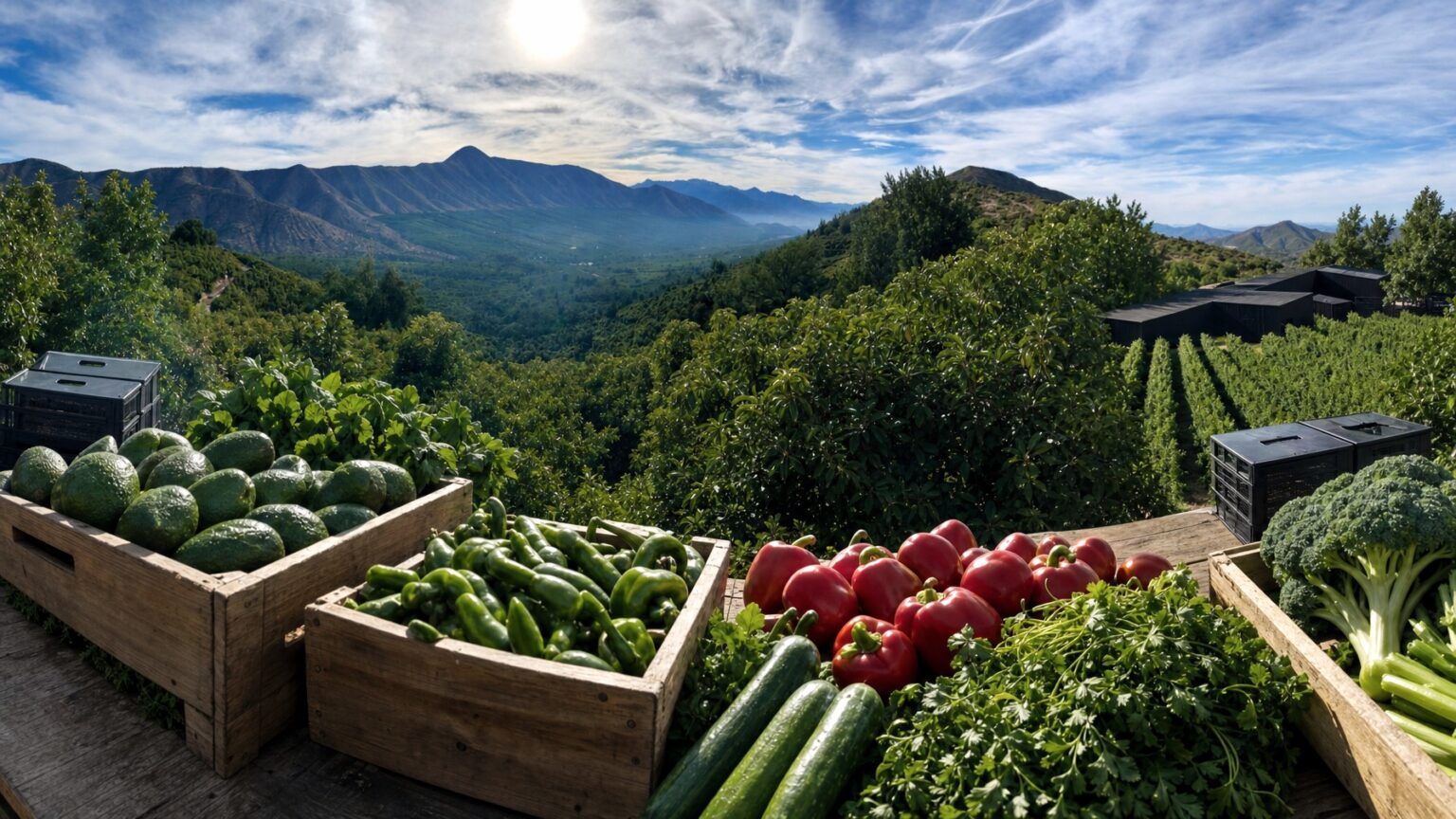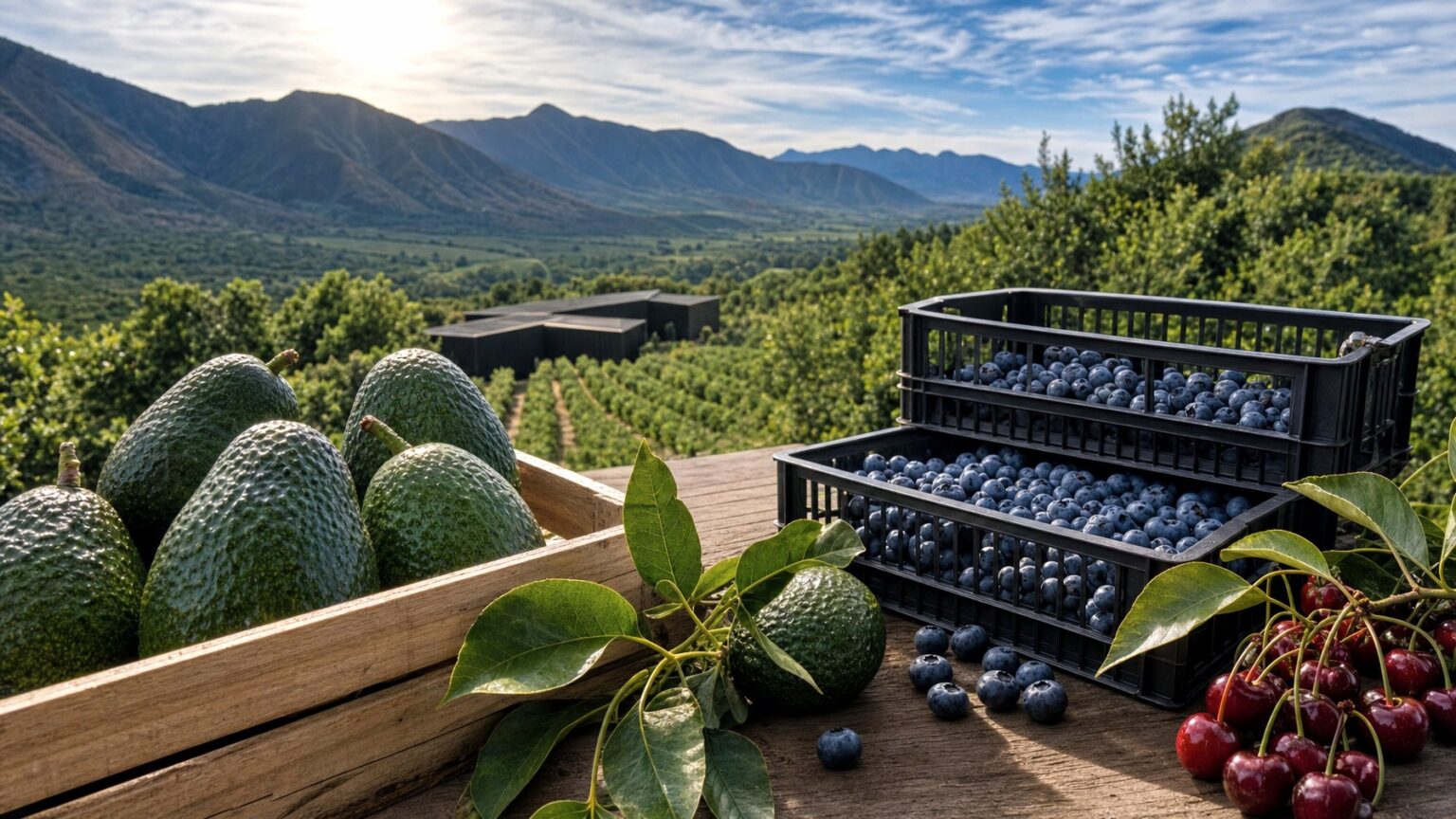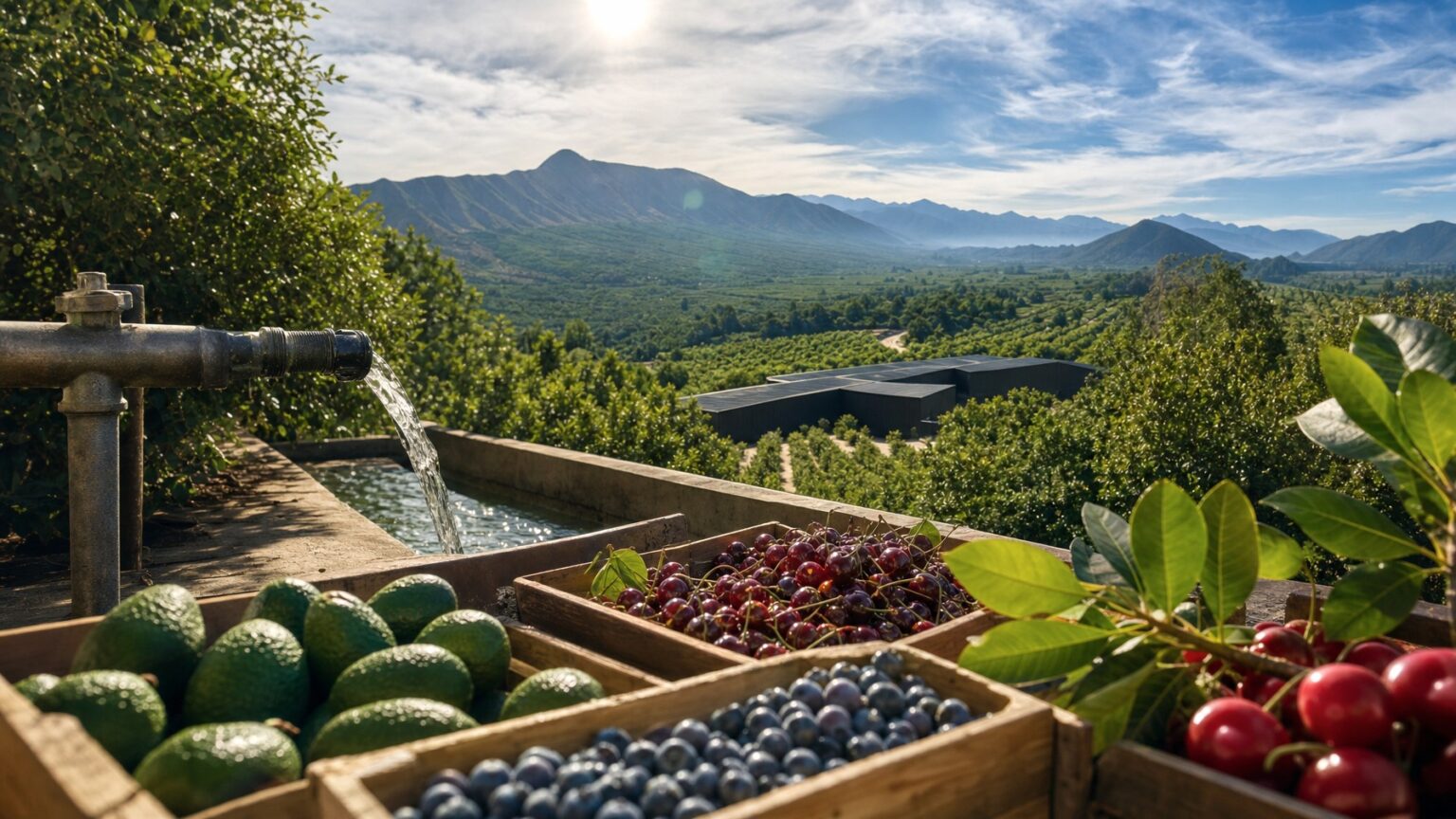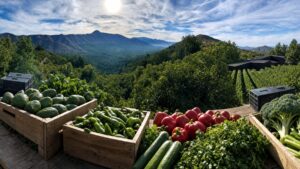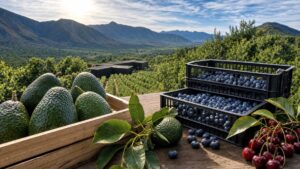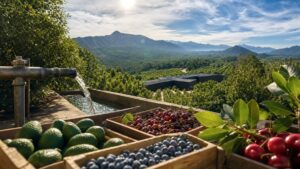
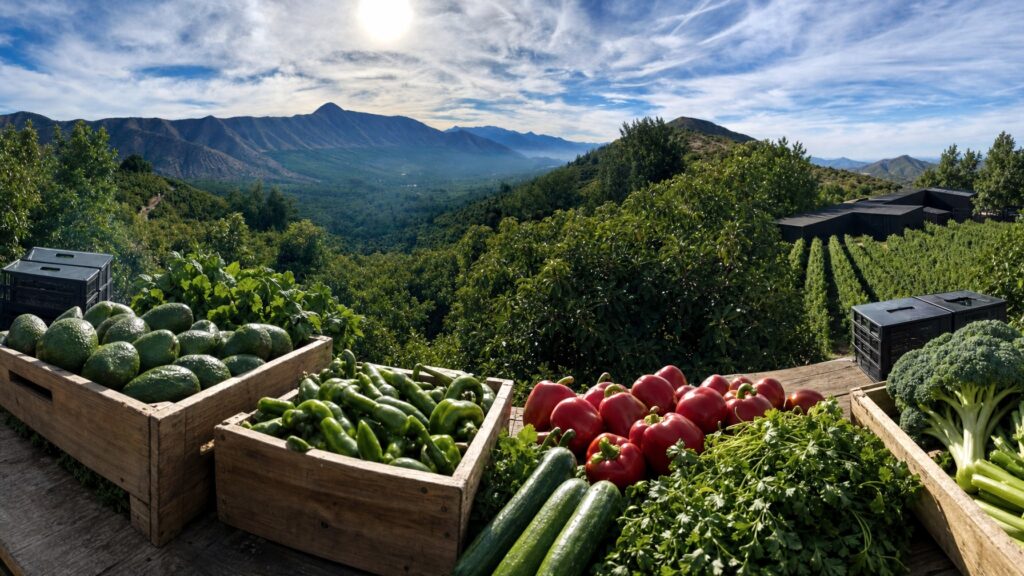
The Aconcagua Valley in Chile, renowned for its production of avocados, table grapes, citrus, and cherries, is facing a significant challenge due to water scarcity.
Over the past 15 years, the Aconcagua River has seen its flow drop to roughly 50 percent below historical levels.
This decline, along with decreasing groundwater levels, has been exacerbated by prolonged drought, rising temperatures, and increased competition for water resources.
With agriculture accounting for nearly 74 percent of the region’s water demand, improving water management is a pressing necessity.
In response to these challenges, a collaborative effort known as the WAVE Aconcagua Partnership has been launched.
- Aconcagua Valley faces severe water scarcity affecting agriculture.
- Water flow in Aconcagua River has decreased by 50% historically.
- WAVE Aconcagua Partnership unites stakeholders for better water management.
- Collaboration includes growers, exporters, and public institutions.
- Focus on coordinated approaches enhances regional agricultural resilience.
This initiative brings together a diverse group of stakeholders, including growers, exporters, importers, and supermarkets, along with public institutions and technical partners.
Key participants in this effort include Dole, Nature’s Pride, Salling Group, and Westfalia Fruit, supported by the Dutch Government’s Partners for Water program and the Embassy of the Netherlands in Chile.
The partnership operates on a pre-competitive basis, focusing on water management, regenerative agriculture, and the sharing of knowledge and experience among growers.
One of the innovative strategies being tested is nano-drip irrigation, which delivers smaller amounts of water more frequently.
This technique helps manage soil moisture effectively while reducing both water and energy use.
Another significant part of the strategy involves basin-level coordination, facilitated by the Strategic Water Resources Table for the Aconcagua Basin.
This forum allows authorities and water users to coordinate and exchange knowledge and experiences, complementing individual farm efforts.
The partnership is now advancing into an expanded implementation phase, where farm assessments and pilot-project results will guide priority settings for individual growers.
By increasing joint monitoring and basin-level work, the initiative aims to strengthen the region’s long-term resilience.
For companies sourcing fruit from the Aconcagua Valley, the partnership represents a shift towards coordinated, territorial approaches to water and climate challenges.
This move away from solely individual farm-level projects seeks to share costs and reduce duplication among sustainability efforts, ensuring a more resilient future for the region’s agricultural sector.