Fresh produce prices in the U.S. have surged significantly, with several categories experiencing marked increases between June 2025 and June 2026.
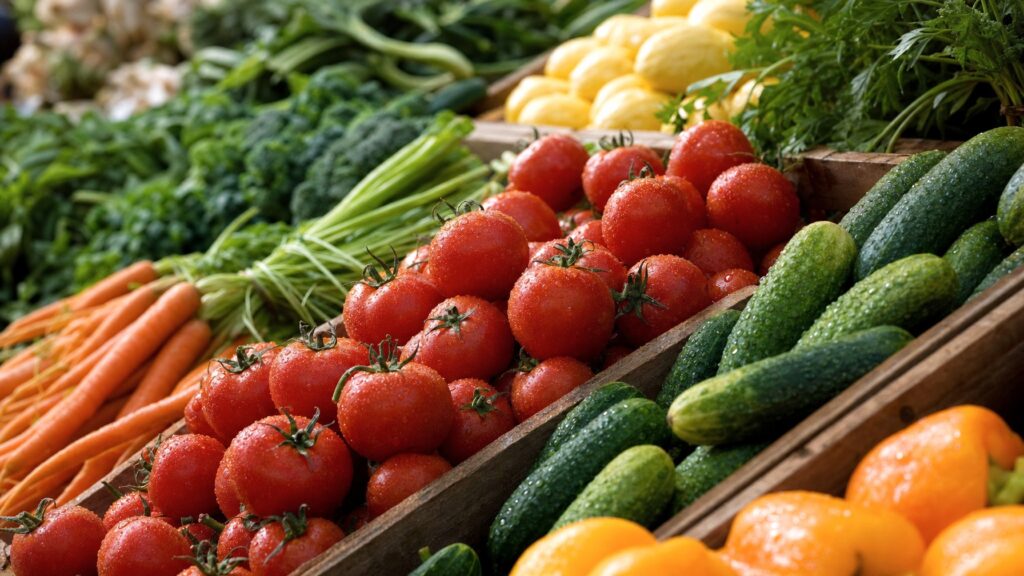
The price of tomatoes rose by roughly one-fifth, while lettuce saw an increase of about 32%.
Overall, prices for all fresh vegetables climbed approximately 10%, with apples and citrus fruit prices rising by 7% and 6%, respectively, according to data from the U.S.
Bureau of Labor Statistics.
Several factors have contributed to these price hikes, including weather disruptions that have affected supply in key production regions.
- Fresh produce prices in the U.S. significantly surged from June 2025 to June 2026.
- Tomatoes rose by 20%, while lettuce prices increased by 32%.
- Weather disruptions led to reduced supply of several key produce categories.
- Changes in U.S.-Mexico trade policy impacted tomato import prices negatively.
- 1 in 5 shoppers switched to frozen produce for cost savings.
In early 2026, freezes in Florida impacted the yield of citrus, strawberries, blueberries, tomatoes, and sweet corn, leading to higher prices due to reduced supply.
The importance of imports in the U.S. produce supply chain has further complicated the situation, especially during periods when domestic production is limited.
A significant change in U.S.-Mexico trade policy also affected tomato prices when the U.S. Commerce Department withdrew from the U.S.-Mexico Tomato Suspension Agreement in June 2025, leading to a 17% antidumping duty on most imports and a following 13% drop in tomato imports year over year.
Rising labor and input costs are exerting additional pressure across the supply chain.
The prices of fertilizers paid to manufacturers increased by more than 20% year over year in June 2026, with nitrogen fertilizer prices soaring 46%.
Additionally, fuel costs were approximately 27% higher year over year, and refrigerated truck rates increased by 20% compared to June 2025.
Despite these increases, producer costs only account for about one-third of the retail price of fresh produce, meaning that not all farm-level costs are necessarily passed on to consumers.
The impact on consumers is notable.
A survey conducted in May 2026 revealed that 1 in 3 households had reduced their fresh produce purchases due to the higher prices.
Moreover, 1 in 5 shoppers reported switching from fresh to frozen produce as a cost-saving measure.
Interestingly, certain staples like bananas, oranges, and potatoes have been less affected by inflation, with processed produce prices increasing by 3% and frozen produce prices rising by 2.4% year over year.
These trends highlight the complex dynamics affecting the fresh produce market and the varied impacts on consumer purchasing behavior.