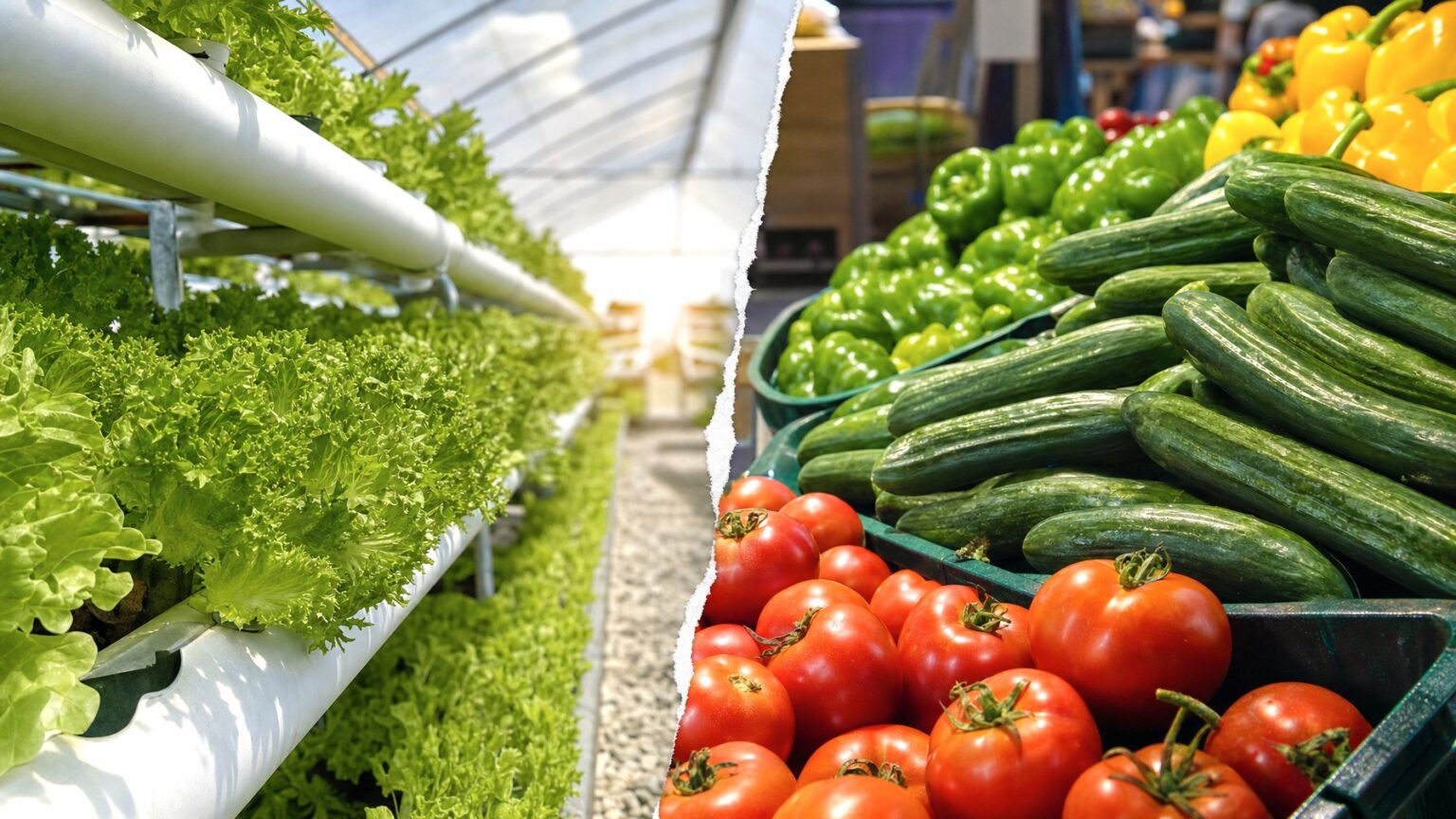
Food safety remains a critical concern in the fresh produce industry, where even minor lapses can lead to significant health risks and financial losses.
As the industry evolves, so does the technology designed to bolster safety measures.
Innovative technologies are making it possible to manage risks more effectively and ensure the highest quality standards are maintained throughout the supply chain.
From field to fork, the integration of advanced technology is revolutionizing how we approach food safety in the produce sector.
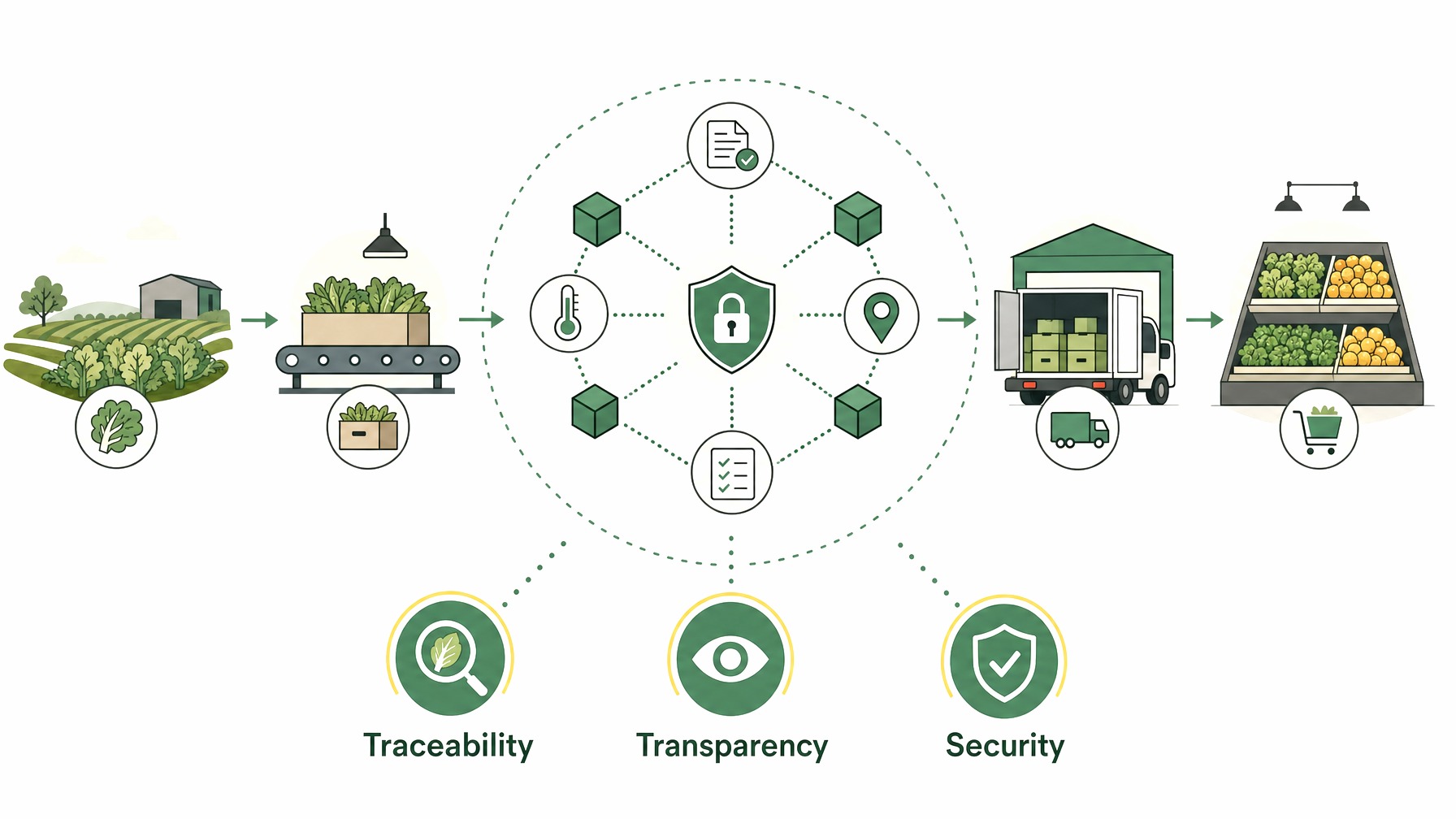
These innovations not only help in maintaining the integrity of the produce but also enhance traceability and transparency, providing consumers with the confidence they need.
In this article, we will explore five cutting-edge technologies that are transforming food safety strategies in the produce industry.
These advancements are not just trends; they represent a pivotal shift in how producers, shippers, and retailers can safeguard their operations.
By embracing these technologies, produce professionals can mitigate risks, streamline operations, and ultimately deliver safer products to their consumers.
Let’s delve into these revolutionary developments and examine their impact on food safety.
1. Blockchain Technology
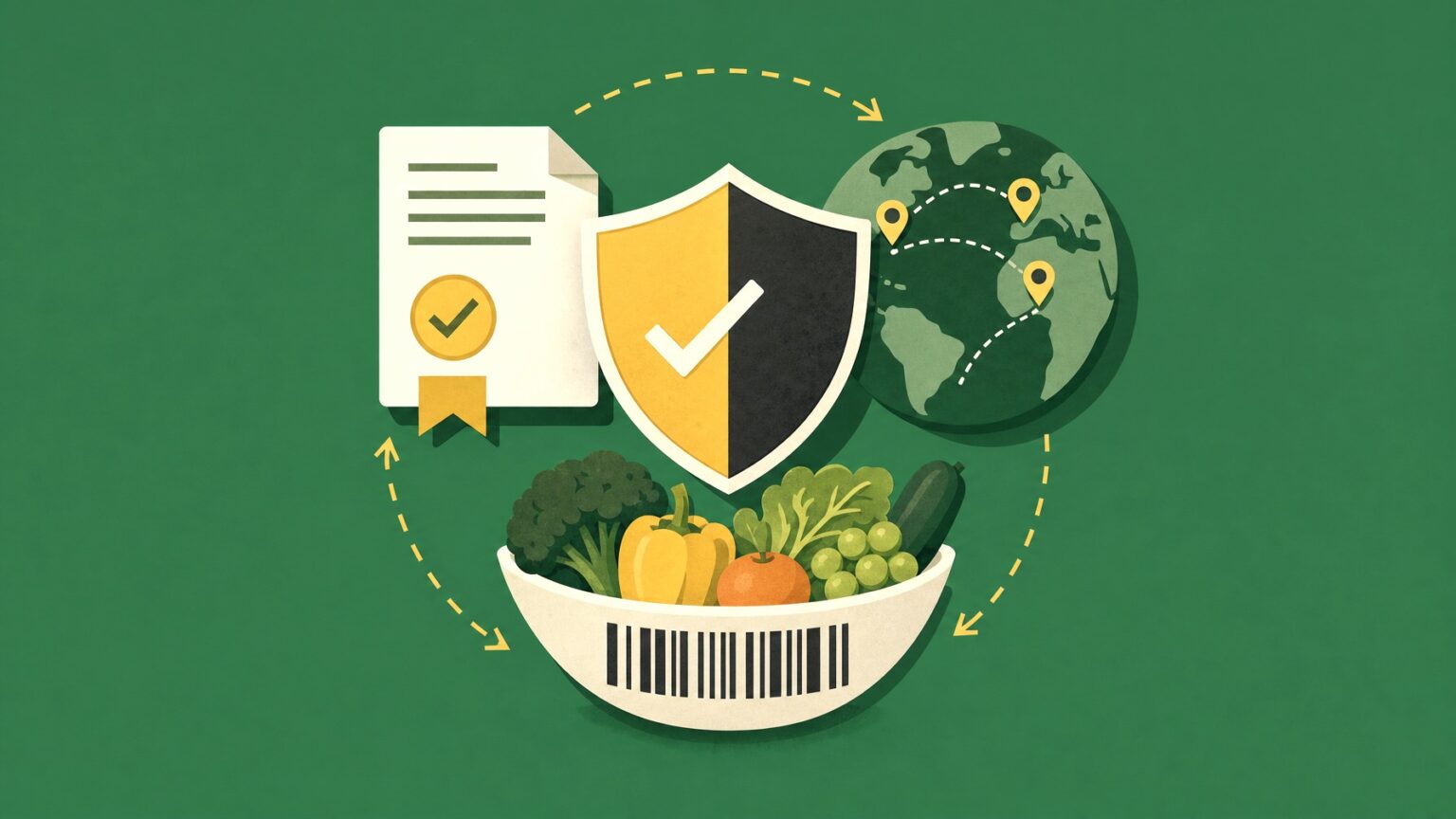
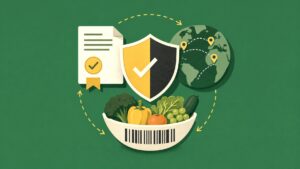
Blockchain technology is revolutionizing food safety by offering enhanced traceability and transparency throughout the produce supply chain.
Each transaction in the chain is recorded in a decentralized ledger, making it nearly impossible to alter data without detection.
The ability to trace produce from farm to table in real-time is a game-changer.
If a food safety issue arises, affected products can be identified and removed from circulation swiftly, minimizing health risks and financial impact.
- Real-time tracking of produce origins and handling
- Increased consumer trust through transparency
- Reduced potential for fraud and contamination
Blockchain’s immutable record-keeping helps establish trust among growers, suppliers, and consumers, ensuring that every party is accountable for safety standards.
2. Smart Packaging Solutions
Smart packaging goes beyond traditional methods by integrating technology that monitors the condition of produce during transit and storage.
This innovative packaging can detect changes in temperature, humidity, and even the presence of pathogens.
By providing real-time data, smart packaging alerts stakeholders to potential safety issues before they reach consumers.
This proactive approach helps maintain the quality and safety of fresh produce throughout its journey.
- Temperature and humidity monitoring
- Pathogen detection capabilities
- Enhanced shelf-life and quality control
Smart packaging’s ability to offer actionable insights ensures that produce arrives in optimal condition, reducing waste and increasing consumer satisfaction.
3. Artificial Intelligence (AI) and Machine Learning
Artificial intelligence and machine learning are increasingly being used to predict and prevent food safety issues in the produce industry.
These technologies analyze vast amounts of data to identify patterns and anomalies that may signal potential risks.
AI-driven systems can forecast spoilage, contamination, and other safety threats with high accuracy, allowing stakeholders to take preemptive action.
- Predictive analytics for spoilage and contamination
- Automated quality control processes
- Enhanced decision-making through data insights
The ability of AI to process and interpret data faster than humans ensures that food safety protocols are continuously improved and adapted to new challenges.
4. Internet of Things (IoT) Devices
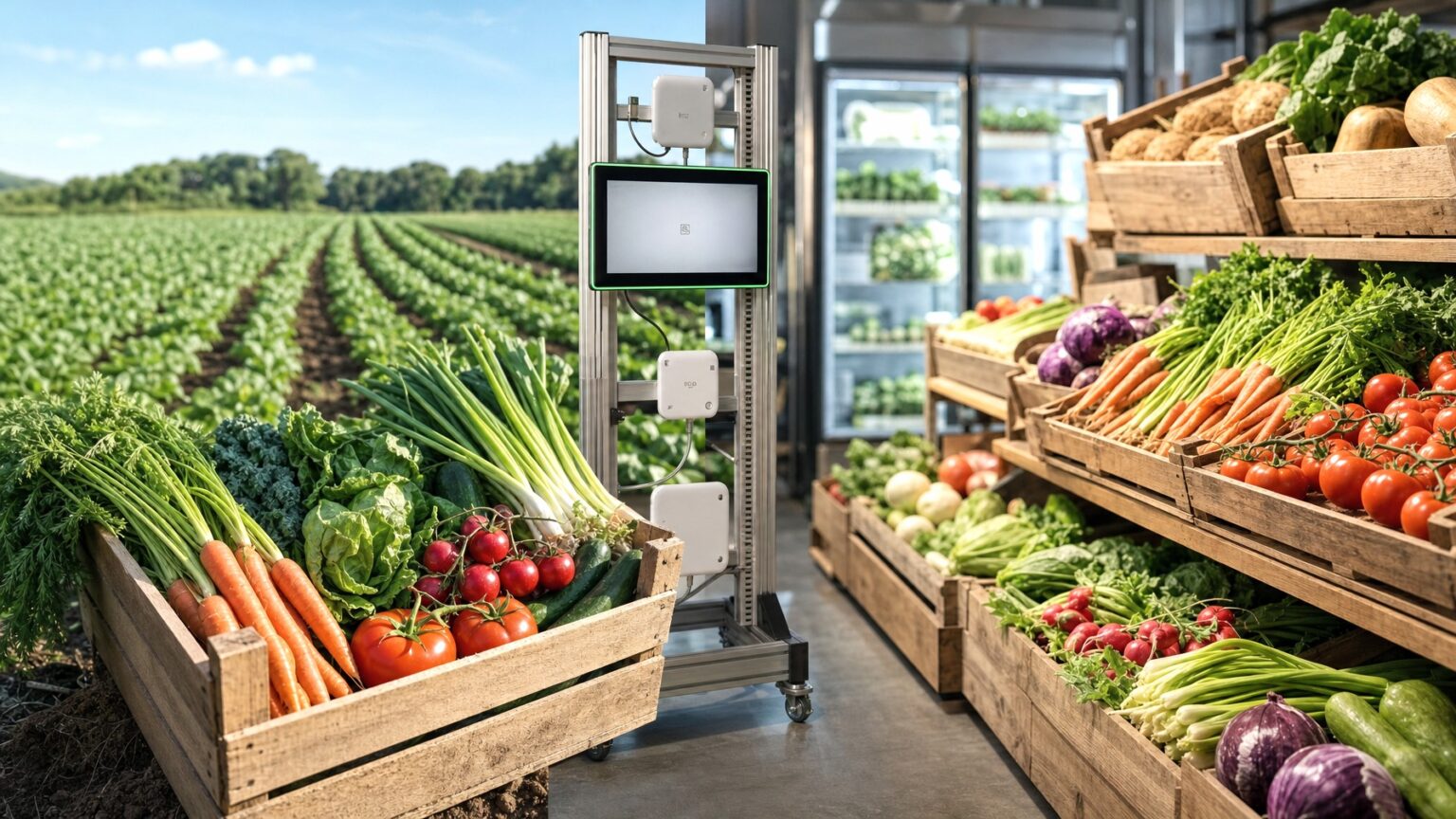
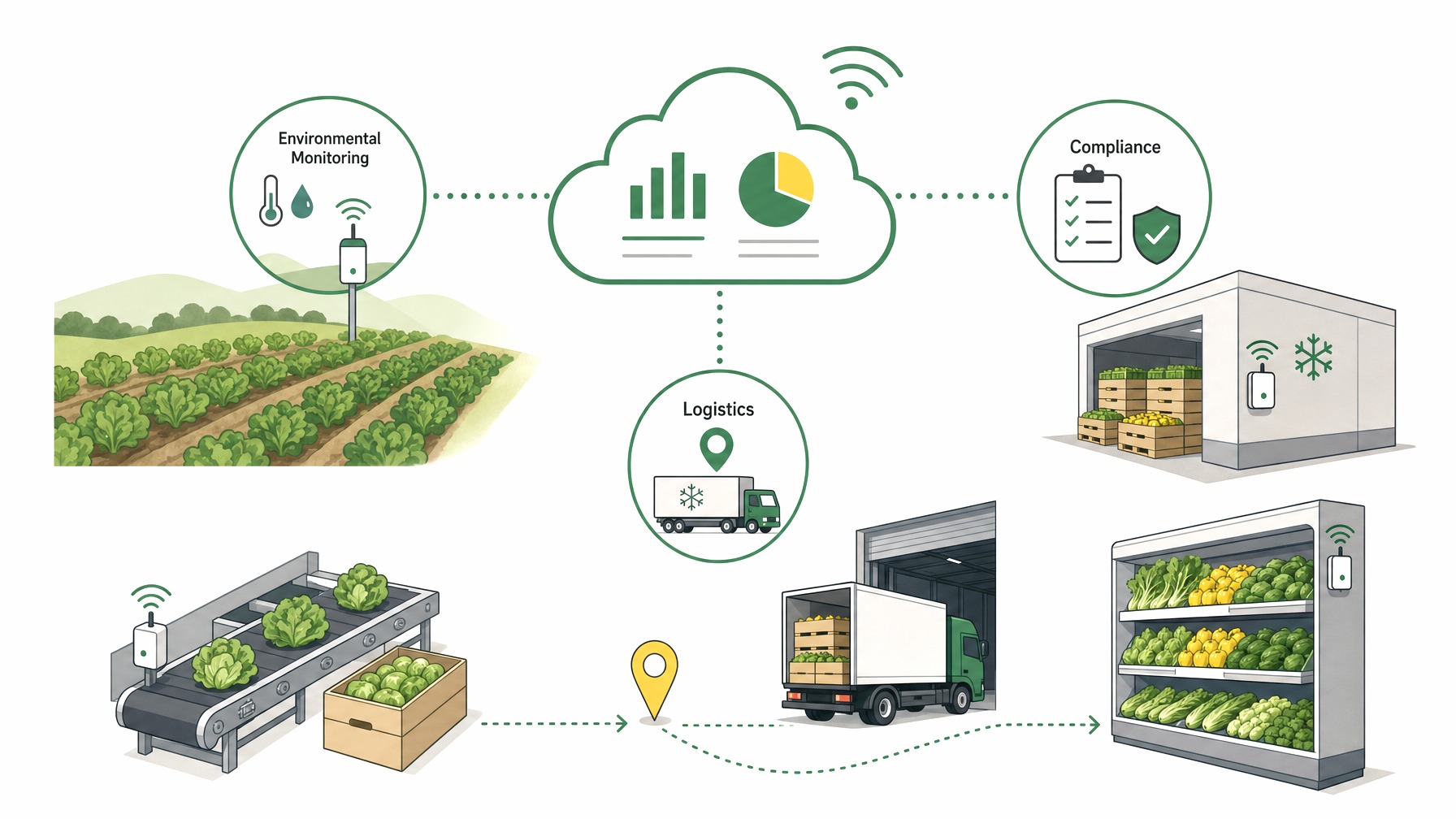
The Internet of Things (IoT) is enhancing food safety by connecting devices that monitor various aspects of produce handling and storage.
These devices provide real-time data, enabling immediate corrective actions when necessary.
IoT sensors can monitor environmental conditions, track logistics, and ensure compliance with safety standards across the supply chain.
- Continuous monitoring of environmental conditions
- Improved logistics and traceability
- Compliance with regulatory standards
Through IoT integration, stakeholders can achieve a higher level of operational efficiency and safety assurance, reducing the likelihood of food safety incidents.
5. Ultraviolet (UV) Light Technology
Ultraviolet (UV) light technology is being increasingly used to sanitize produce surfaces, offering an effective method to reduce microbial load without chemicals.
UV light disrupts the DNA of bacteria, viruses, and fungi, rendering them harmless.
This method is particularly beneficial for organic produce, where the use of chemical sanitizers is limited.
- Non-chemical sanitization method
- Effective against a broad spectrum of pathogens
- Preserves the integrity and quality of organic produce
UV light technology provides a safe, reliable alternative to traditional sanitization methods, supporting the growing demand for organic and chemical-free produce.
The Bottom Line
Innovative technologies are reshaping the landscape of food safety in the produce industry.
By adopting these advancements, produce professionals can enhance their safety protocols and build consumer trust.
From blockchain to UV light, each technology offers unique benefits that collectively strengthen the supply chain.
The commitment to leveraging these technologies reflects a forward-thinking approach to maintaining the highest food safety standards.
As these technologies continue to evolve, their integration will be crucial for the sustained success and safety of the produce industry.