In the rapidly evolving world of fresh produce, quality control is paramount.
As the demand for fresh fruits and vegetables continues to rise, so does the need for efficient and reliable quality assurance.
Enter artificial intelligence (AI), a game changer in the produce industry.
AI technologies are not just enhancing the speed of operations but also improving accuracy and reducing human error.
AI innovations in quality control are transforming how produce is inspected, handled, and delivered.
These technologies are not only beneficial for growers and shippers but also for retailers and consumers who expect the best quality produce.
By implementing AI, the produce industry can ensure consistent quality, minimize waste, and ultimately increase profitability.
In this article, we explore six innovative AI technologies revolutionizing produce quality control.
From computer vision systems to blockchain integration, these advancements are setting new standards for quality assurance.
1. Computer Vision Systems
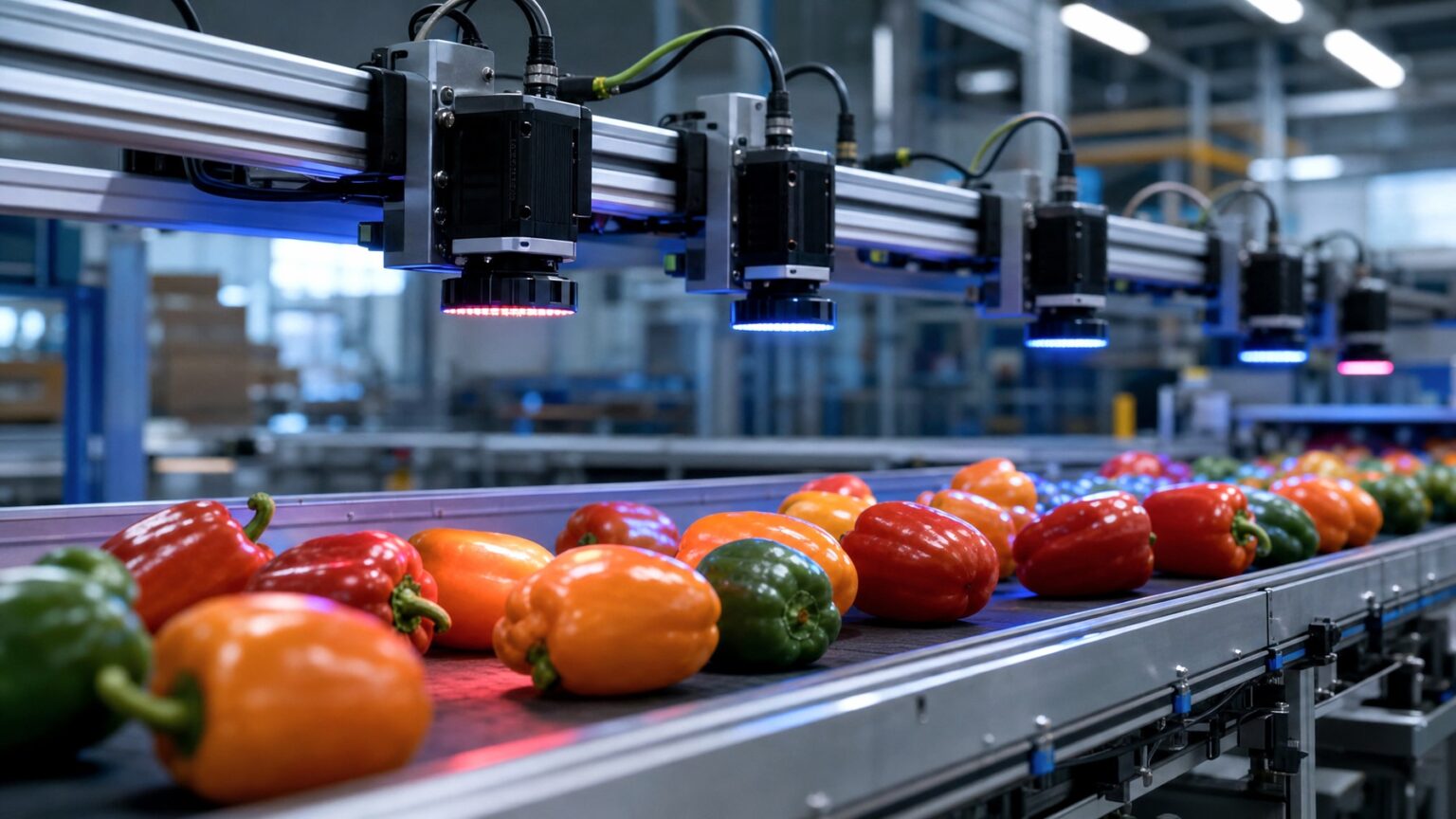
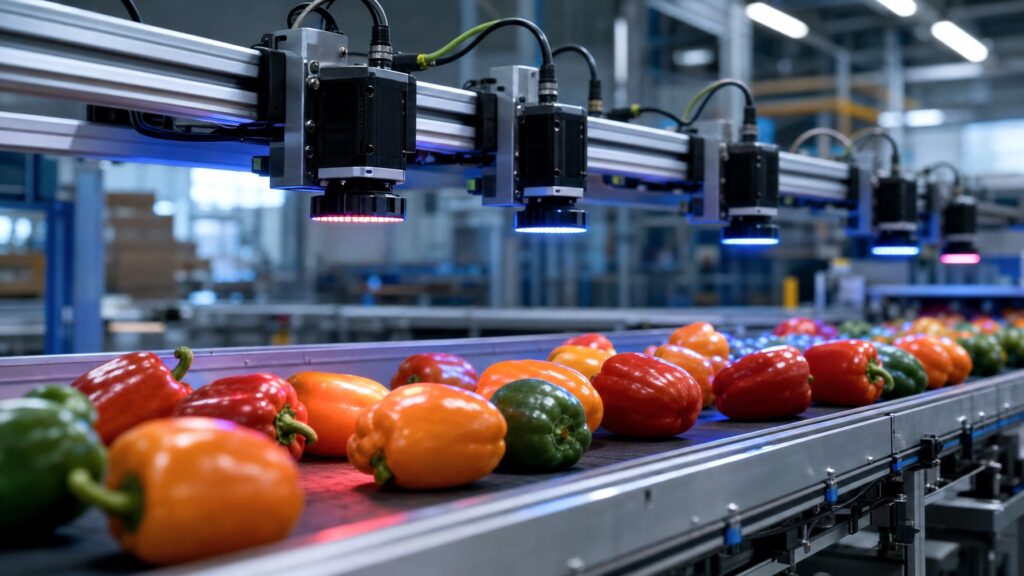
Computer vision systems are at the forefront of AI technology in quality control.
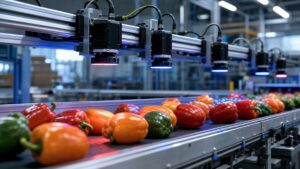
These systems use high-resolution cameras and sensors to capture images of produce.
The images are then analyzed by AI algorithms to detect imperfections such as bruises, discoloration, or size discrepancies.
By automating the inspection process, computer vision systems can evaluate produce faster and more accurately than human inspectors.
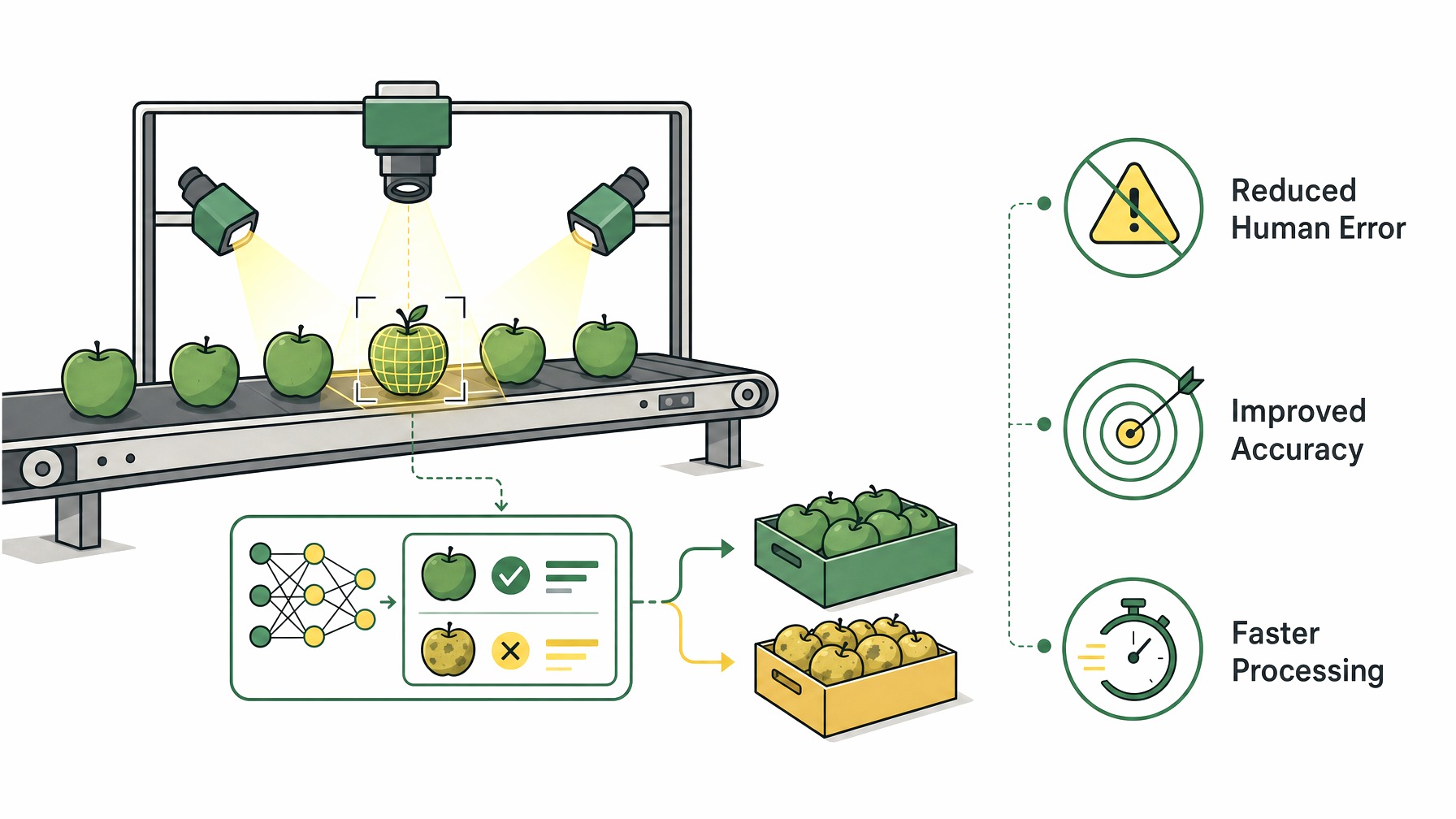
This increases efficiency and ensures that only the highest quality produce reaches the market.
- Reduced human error in inspections
- Improved sorting and grading accuracy
- Faster processing times
In addition to quality control, computer vision systems can be integrated with other technologies to enhance overall operations.
For example, they can be used in conjunction with robotics for automated sorting and packaging.
2. Predictive Analytics
Predictive analytics is another innovative AI technology making waves in the produce industry.
By analyzing historical data and current trends, predictive analytics can forecast potential quality issues before they occur.
This proactive approach allows producers to address potential problems early, reducing waste and ensuring consistent quality.
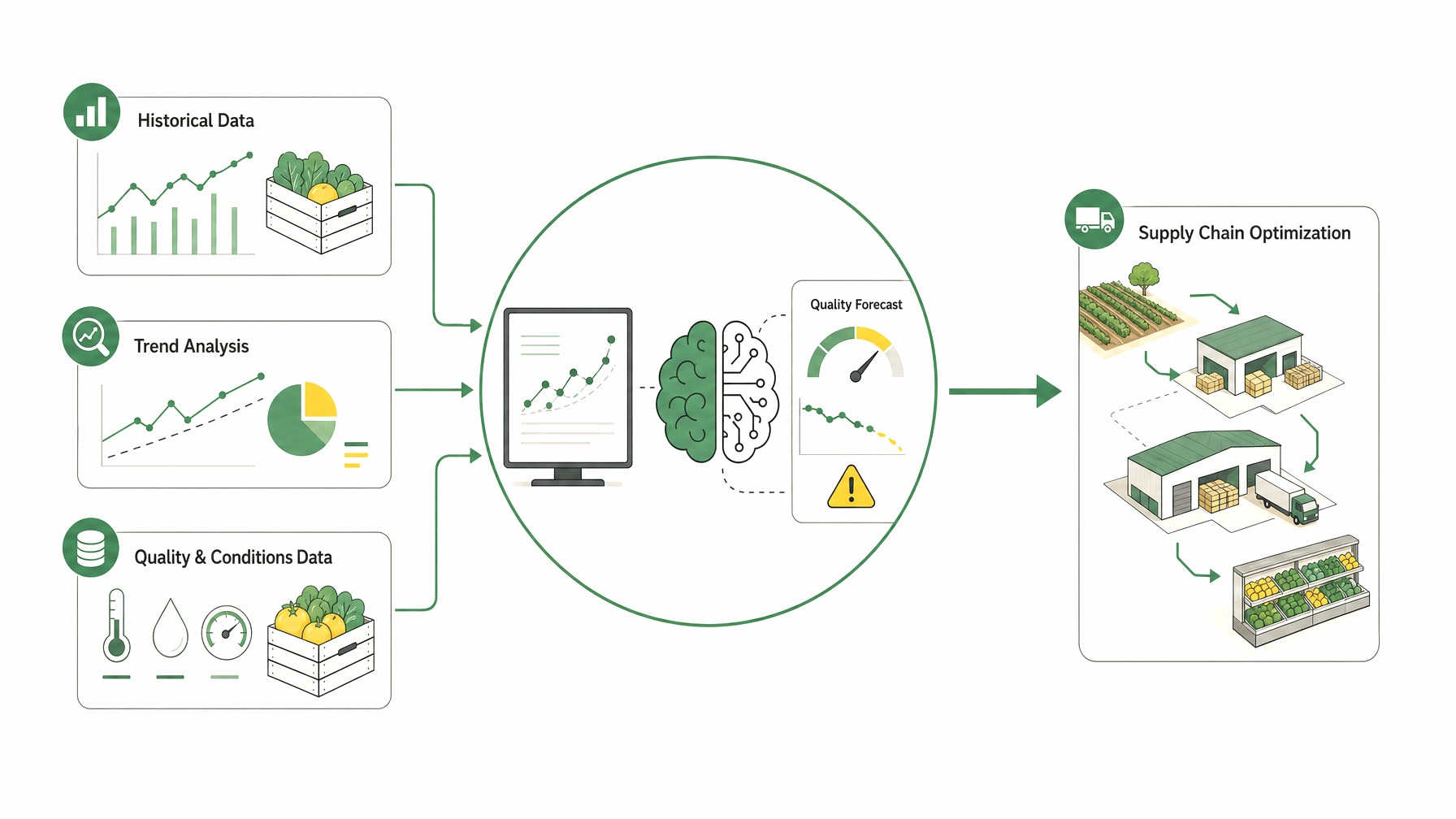
Predictive analytics can also optimize supply chain management by predicting demand and adjusting production accordingly.
- Early detection of quality issues
- Optimized supply chain operations
- Reduced waste and spoilage
By leveraging predictive analytics, the produce industry can make informed decisions, improving efficiency and profitability.
3. Machine Learning Algorithms
Machine learning algorithms are essential in advancing produce quality control.
These algorithms learn from data, improving their accuracy and decision-making over time.
In the context of produce, machine learning can be used to develop models that predict quality based on various factors, such as weather conditions or soil quality.
These models can also aid in identifying trends and anomalies, allowing for quick adjustments in production and distribution processes.
As a result, machine learning algorithms help maintain high standards of quality while optimizing operational efficiency.
- Continuous improvement in quality control processes
- Enhanced decision-making capabilities
- Increased operational efficiency
Machine learning algorithms are a powerful tool for any produce business looking to enhance quality control and streamline operations.
4. Blockchain for Transparency
Blockchain technology is increasingly being used in the produce industry to ensure transparency and traceability.
By recording every transaction and movement of produce on a blockchain, companies can provide a tamper-proof record of their products’ journey from farm to table.
This transparency not only builds trust with consumers but also enhances quality control by allowing tracebacks in the event of a quality issue.
Blockchain can also facilitate faster recalls, minimizing potential harm and financial loss.
- Improved traceability and transparency
- Enhanced consumer trust
- Faster and more efficient recalls
As consumers become more concerned with the origins of their food, blockchain technology offers a reliable solution for ensuring produce quality and safety.
5. Internet of Things (IoT) Integration
The integration of the Internet of Things (IoT) in produce quality control allows for real-time monitoring of environmental conditions.
IoT devices can measure temperature, humidity, and other factors that affect produce quality during storage and transportation.
By collecting and analyzing this data, producers can make informed decisions to optimize storage conditions and maintain quality.
IoT integration also enables quick responses to any deviations that could affect the quality or safety of the produce.
- Real-time environmental monitoring
- Optimized storage and transportation conditions
- Increased shelf life and reduced spoilage
IoT integration is a critical component in a comprehensive AI-driven quality control strategy.
6. Automated Quality Grading
Automated quality grading systems use AI to assess produce based on predefined criteria.
These systems can quickly and accurately grade produce, categorizing it according to size, color, and other quality indicators.
This automation speeds up the grading process, reduces labor costs, and ensures consistent quality across large volumes of produce.
Automated quality grading is particularly useful for large-scale operations where manual grading would be inefficient.
- Consistent and objective quality assessment
- Reduced labor costs and increased efficiency
- Scalable for large operations
By implementing automated quality grading, produce businesses can enhance their quality control processes and improve overall operational efficiency.
The Bottom Line
AI technologies are revolutionizing produce quality control, offering innovative solutions to age-old challenges.
From computer vision systems to blockchain integration, these advancements are helping the produce industry maintain the highest quality standards.
By adopting these AI technologies, produce businesses can ensure consistent quality, reduce waste, and increase profitability.
The future of produce quality control is undeniably intertwined with AI, promising a smarter, more efficient industry.