In recent months, the fresh produce industry has witnessed a significant shift in consumer preferences, driven largely by mounting safety concerns related to foodborne illnesses.
Consumers are increasingly turning to local produce, perceiving it as a safer alternative amidst a series of high-profile contamination outbreaks.
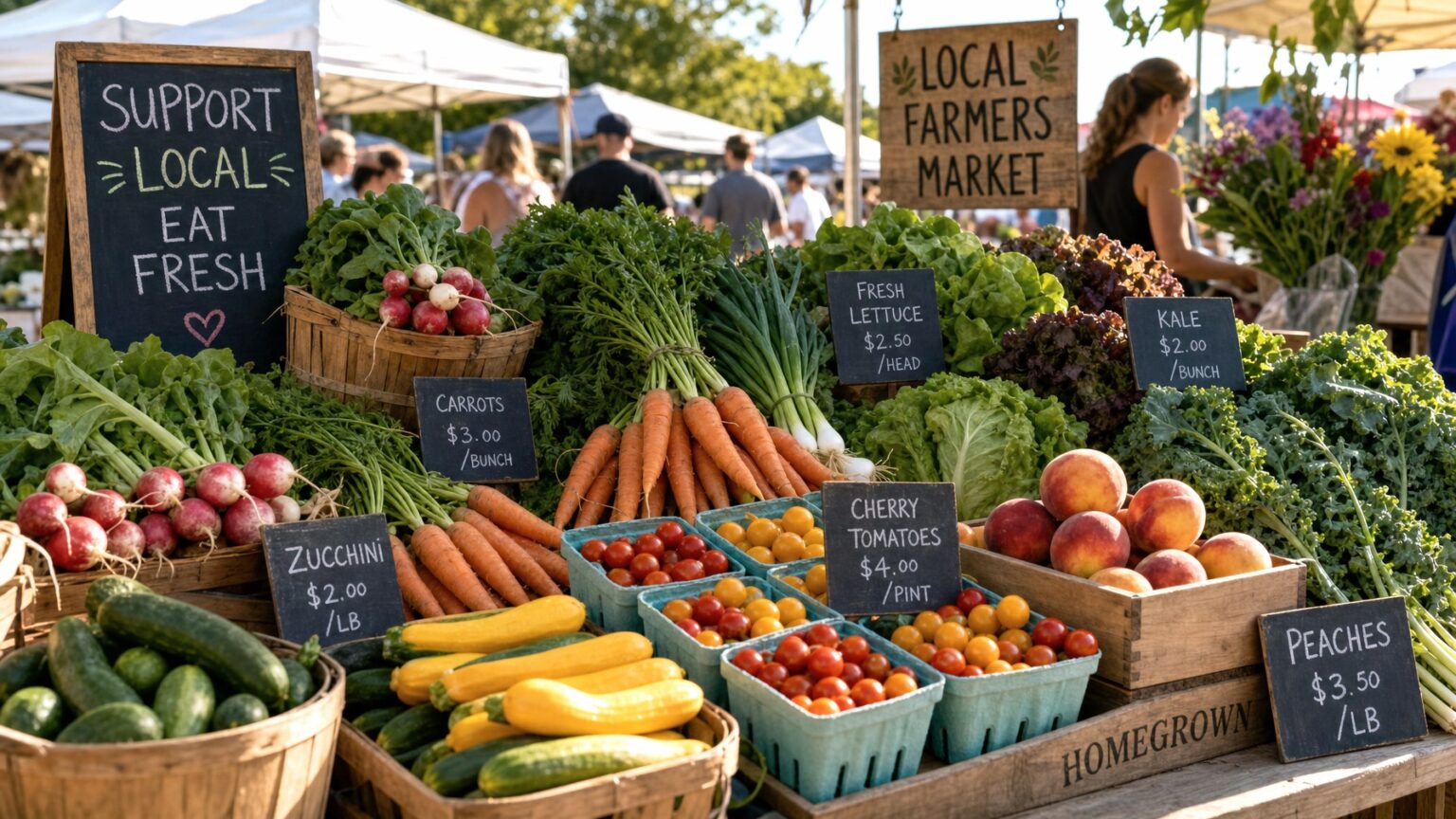
Reports from the Coachella Valley indicate a surge in farmers market sales, as shoppers actively seek out local food sources to mitigate the risks associated with broader supply chains.
At the same time, the Central Coast produce industry is experiencing a resurgence as consumers prioritize local options following the Cyclospora outbreak linked to imported lettuce.
This growing demand for local produce presents both an opportunity and a challenge for the industry, requiring stakeholders to adapt to changing consumer expectations.
Local Produce as a Safety Priority
As foodborne illness outbreaks become more frequent, consumers are increasingly wary of the origins of their fresh produce.
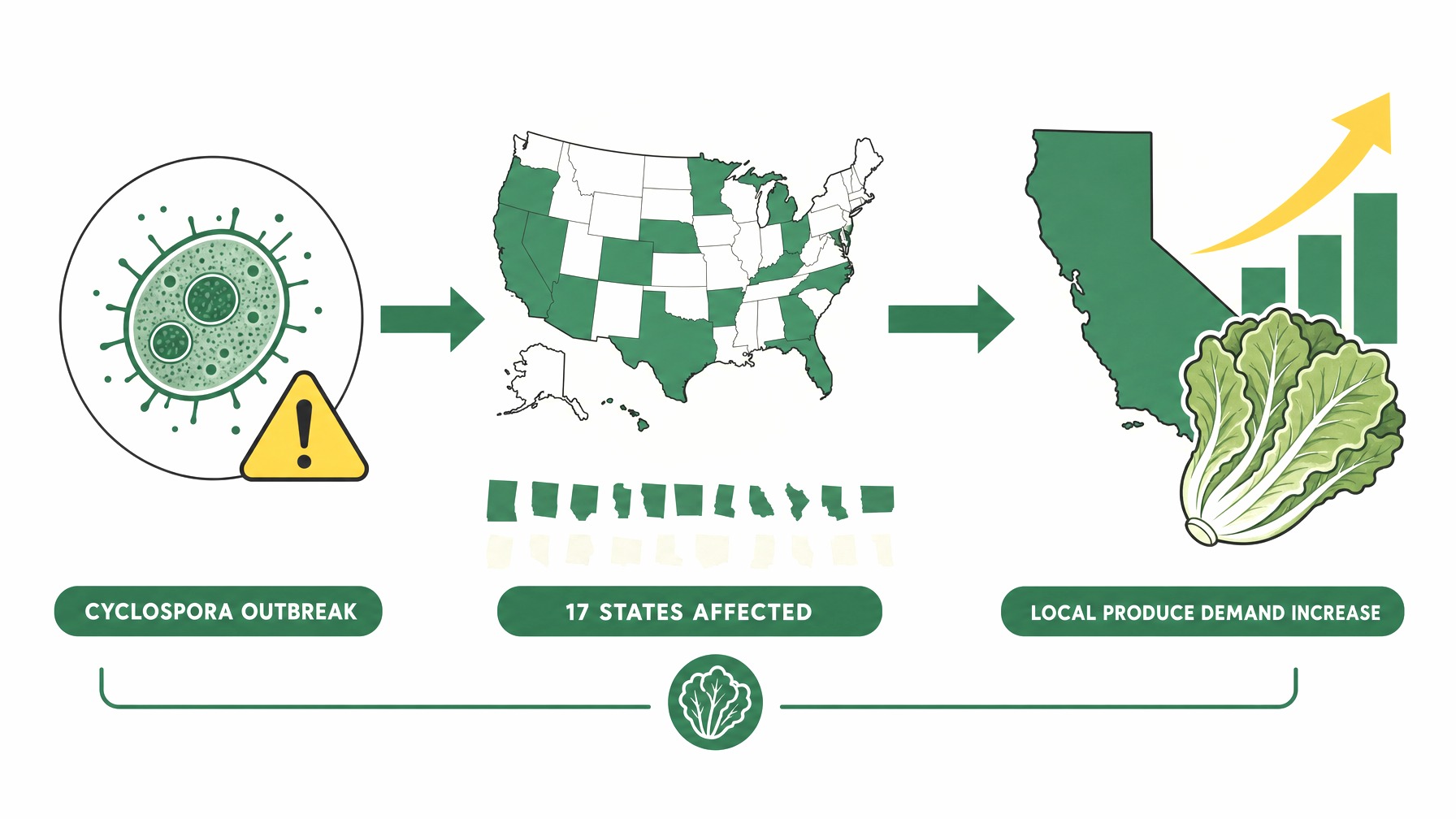
Safety concerns have heightened, particularly after recent outbreaks such as the Cyclospora infection linked to lettuce, which affected thousands across 17 states.
In response, experts recommend purchasing locally grown produce as a means to mitigate contamination risks.
This advice has resonated with consumers who are seeking more control over the safety of the food they consume.
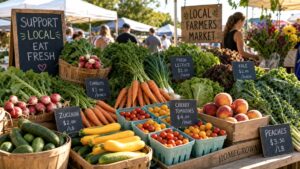
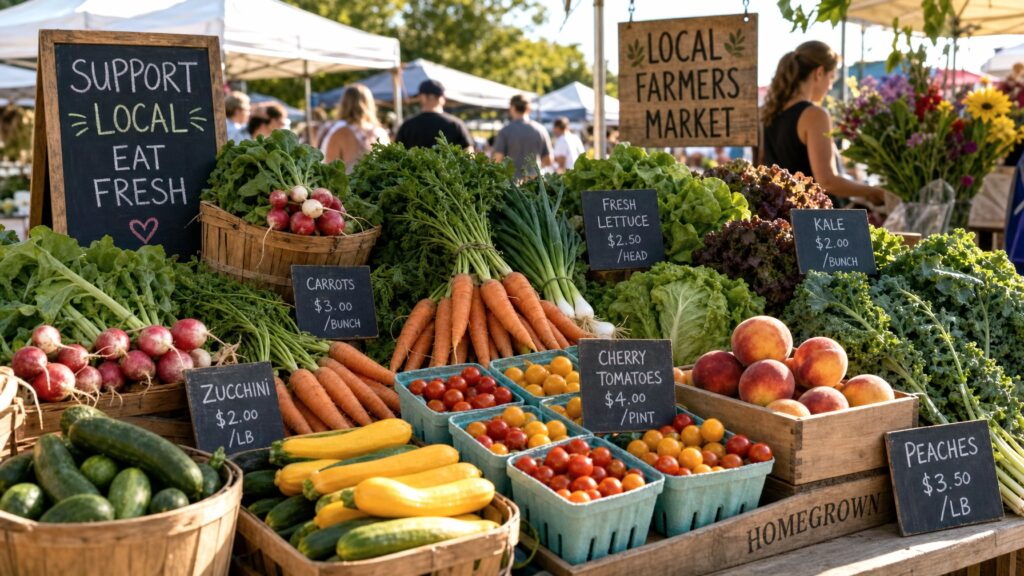
Farmers markets, particularly in areas like the Coachella Valley, have reported increased sales, underscoring a shift towards local produce as a trusted source.
- Proximity reduces contamination risk.
- Direct purchase from growers builds trust.
- Fewer steps in the supply chain enhance safety.
These factors collectively enhance the perceived safety of locally sourced produce.
By opting for local options, consumers believe they can significantly reduce the risk of encountering contaminated products.
Economic Impacts on Farmers Markets
The surge in demand for local produce has had a notable economic impact on farmers markets.
Increased sales at these markets have provided a much-needed boost to local economies, particularly in agricultural regions.
The Coachella Valley, for instance, has seen a rise in farmers market activity as consumers prioritize local purchasing.
The influx of customers at farmers markets is not only a response to safety concerns but also a demonstration of support for local agriculture.
Farmers markets have become a focal point for communities looking to sustain local economies while ensuring food safety.
- Sales increase at markets fuels local economies.
- Consumer trust in farmers strengthens sales.
- Community support for local agriculture grows.
This economic boost is crucial for small-scale farmers who rely on direct sales to maintain their operations and livelihoods.
By supporting local farmers, consumers help sustain local market dynamics and ensure a steady supply of fresh, safe produce.
Central Coast Recovery and Local Shift
The Central Coast produce industry is in a phase of recovery following the Cyclospora outbreak, which had initially dampened sales.
The outbreak, linked to imported lettuce, prompted consumers to reassess their purchasing habits, leading to a shift towards local produce.
This shift has been a boon for local growers, who are now seeing increased demand for their products.
The recovery of the Central Coast industry highlights the resilience of local markets in adapting to consumer preferences.
As consumers continue to favor local options, the industry is finding new opportunities for growth and sustainability.
This trend towards local sourcing is reinforced by the need for transparency and safety in food supply chains.
Local producers are now better positioned to meet demand, having adapted their operations to align with consumer expectations.
The Central Coast’s experience serves as a testament to the benefits of local sourcing in rebuilding consumer trust and revitalizing the industry.
Challenges in Scaling Local Supply Chains
While the demand for local produce is rising, scaling supply chains to meet this demand presents significant challenges.
Local producers often face logistical hurdles in expanding their operations to supply larger markets.
Infrastructure limitations and the need for investment in technology and distribution networks are key barriers to scaling.
Additionally, local farms may struggle to maintain consistent supply, particularly during off-peak seasons.
To overcome these challenges, industry stakeholders must invest in infrastructure improvements and explore collaborative models.
- Logistical hurdles in expanding operations.
- Infrastructure limitations restrict growth.
- Seasonal supply consistency is a challenge.
These investments are necessary to ensure that local producers can meet the growing consumer demand for safe, local food.
Without addressing these challenges, the industry risks falling short of consumer expectations and losing market share to larger, less local, but more consistent suppliers.
Consumer Trust and Transparency in Local Produce
One of the primary drivers of the shift towards local produce is the trust and transparency it offers consumers.
Local produce is often perceived as safer due to the reduced number of intermediaries in the supply chain.
This perception is supported by direct interactions between consumers and growers, fostering a sense of trust.
Transparency in production practices enhances consumer confidence in the safety and quality of local produce.
Many consumers value the ability to trace the origins of their food and understand the practices involved in its production.
This transparency is particularly important in the context of food safety, as consumers seek to avoid the risks associated with mass-produced and imported goods.
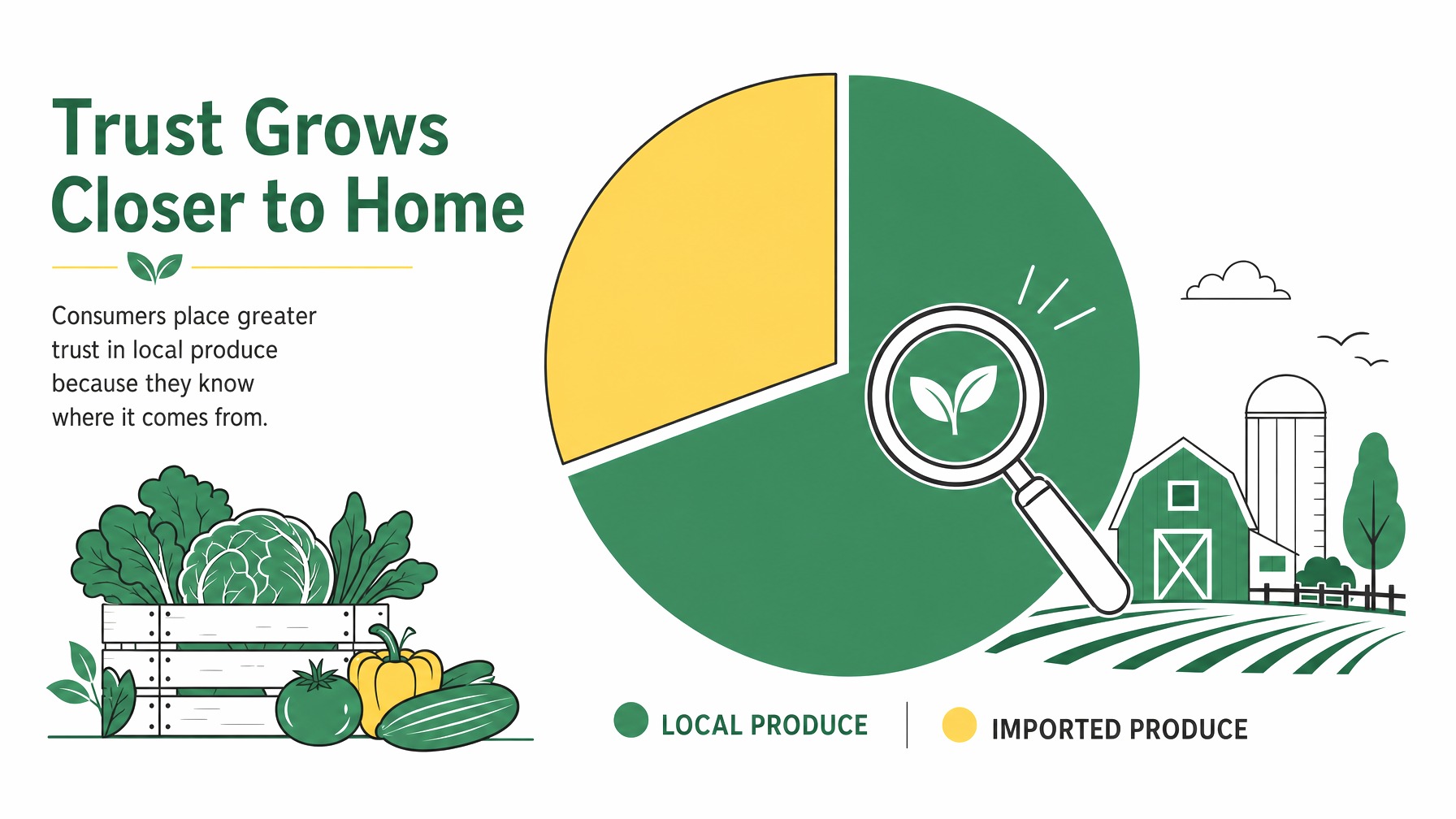
By prioritizing transparency, local producers can build and maintain consumer trust, which is critical for sustaining demand.
In an era where safety concerns dominate consumer decision-making, transparency becomes a competitive advantage for local growers.
Adapting to Consumer Demand with Innovative Practices
To thrive in this evolving market, producers are increasingly turning to innovative agricultural practices that align with consumer expectations for safety and sustainability.
Adopting practices such as organic farming, integrated pest management, and sustainable water use can enhance both the appeal and safety of local produce.
Organic farming reduces the use of synthetic pesticides and fertilizers, which is appealing to consumers concerned about chemical residues in their food.
Integrated pest management, which uses natural predators and biocontrol agents, can further minimize the environmental impact of farming.
- Organic farming reduces chemical use.
- Integrated pest management enhances sustainability.
- Sustainable water use conserves resources.
These practices not only respond to consumer demand for safer, more sustainable produce but also position local producers as leaders in environmental stewardship.
By implementing these strategies, local farms can differentiate themselves in the marketplace and appeal to an increasingly eco-conscious consumer base.
Technology in Enhancing Local Supply Chains
Technology plays a critical role in enhancing the efficiency and reach of local supply chains.
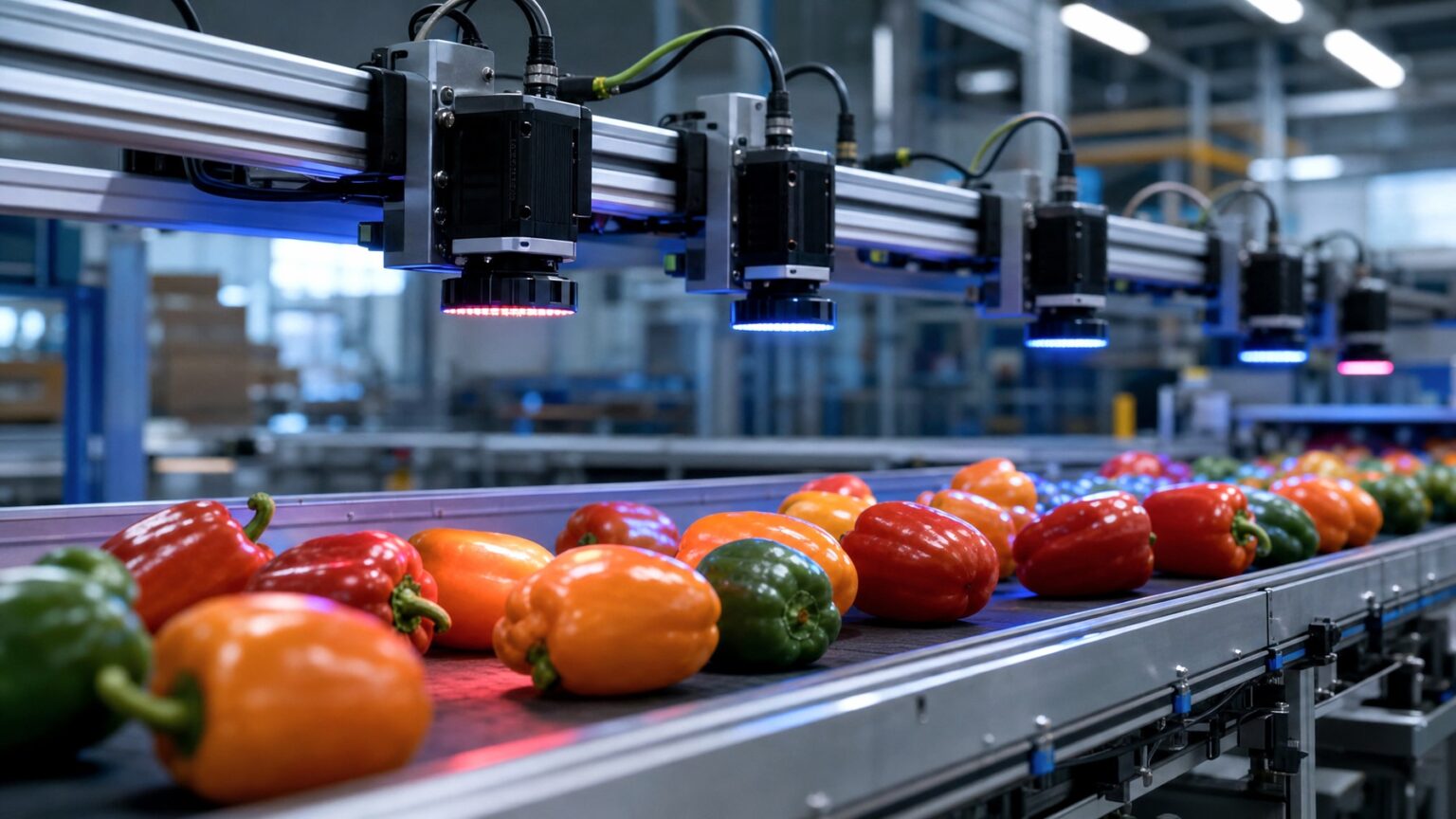
Advanced technologies such as blockchain and IoT devices can significantly improve traceability and transparency.
These technologies allow consumers to track the journey of produce from farm to table, ensuring safety and quality.
Moreover, technology can optimize logistics, reducing waste and increasing the speed of delivery from farms to consumers.
- Blockchain improves traceability.
- IoT devices ensure real-time monitoring.
- Logistics optimization reduces waste.
Adopting these technologies is not only beneficial for meeting current consumer demands but also essential for future growth.
By leveraging technology, local producers can overcome scalability challenges and enhance their competitive standing.
Local Produce as the Future of Fresh
Amidst growing safety concerns and a rising demand for transparency, the fresh produce industry’s future lies in local sourcing.
Consumers are increasingly prioritizing safety and trust, driving a shift towards local produce that offers both.
This trend is reshaping the industry, requiring producers to adapt their operations to meet consumer expectations.
By investing in local supply chains and prioritizing transparency, the industry can build consumer trust and ensure long-term sustainability.
The emphasis on local produce will continue to grow, as consumers seek safe, reliable food sources amidst ongoing contamination concerns.
For the fresh produce industry, embracing local sourcing is not just an opportunity, but a necessity for future success.